
Landscaping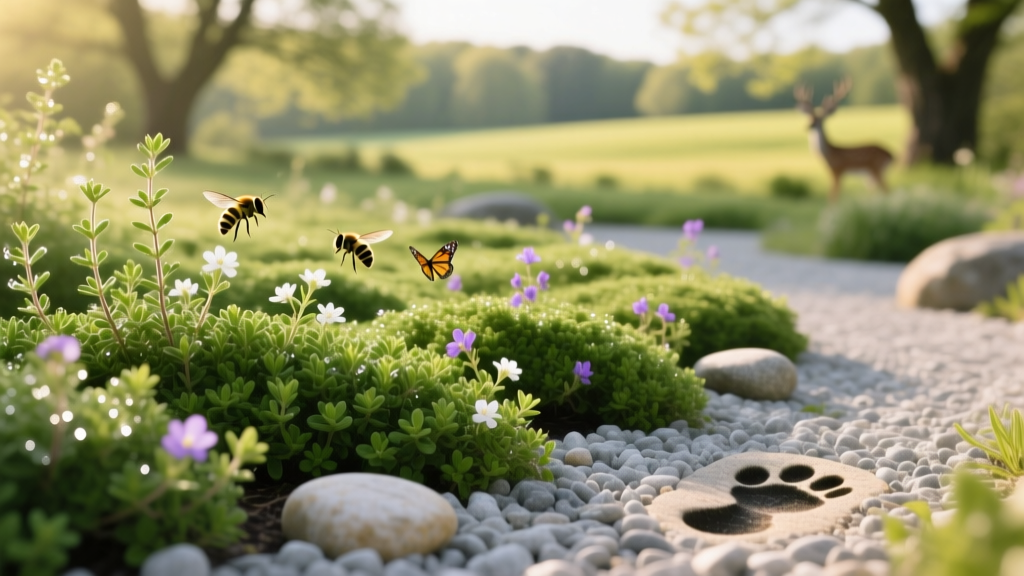
2026 Gravel Garden & Creeping Thyme Wildlife Design Guide
David ParkPublished
The 2026 Shift Toward Resilient Wildlife Landscaping
As we navigate the landscaping trends of 2026, homeowners and land managers are increasingly seeking designs that balance aesthetic beauty with ecological resilience. Traditional turf grass lawns are being replaced by dynamic, low-water ecosystems that support local biodiversity while actively managing unwanted yard animals. One of the most effective and visually striking strategies to emerge this year is the gravel garden anchored by creeping thyme groundcover. This combination is not merely a drought-tolerant hardscaping trend; it is a sophisticated approach to wildlife and yard animal management. By understanding how inorganic gravel mulches and aromatic, low-growing herbs interact with local fauna, you can transform your yard into a space that deters destructive pests, resists large herbivores, and warmly welcomes vital pollinators.
Gravel as a Physical Pest Deterrent
When managing yard animals, physical barriers are often the most humane and ecologically sound first line of defense. Gravel gardens utilize a thick layer of crushed stone to fundamentally alter the soil surface environment, making it highly inhospitable to several common landscape pests.
- Voles and Meadow Mice: Voles are notorious for creating subterranean runways and girdling the roots and stems of ornamental plants. They rely on dense, soft ground cover to hide from predators like hawks and owls. A 3-inch layer of sharp, 3/8-inch crushed gravel removes this protective cover and creates an abrasive, difficult-to-tunnel medium. According to Penn State Extension, inorganic mulches like gravel do not provide the nesting material or soft burrowing environment that small rodents seek, effectively pushing them toward the perimeters of your property.
- Slugs and Snails: These mollusks require moisture to survive and move. The dry, sharp, and porous surface of a gravel garden rapidly wicks away surface moisture and physically deters soft-bodied pests from crossing into your garden beds to feast on tender foliage.
- Digging Dogs and Cats: Neighborhood cats often use soft, mulched garden beds as litter boxes, while dogs may dig for fun or to hunt buried scents. The coarse texture of gravel is uncomfortable on paws, naturally discouraging this disruptive behavior without the need for chemical repellents.
Creeping Thyme: Herbivore Defense and Pollinator Haven
While the gravel manages the pests below the surface, the creeping thyme (Thymus serpyllum or Thymus praecox) manages the animals above ground. Creeping thyme is a powerhouse in the realm of wildlife management due to its high concentration of volatile essential oils, primarily thymol.
Deterring Deer and Rabbits
In 2026, suburban deer and rabbit populations continue to thrive, causing millions of dollars in landscape damage. Herbivores rely heavily on their sense of smell to locate tender, nutritious plants. The strong, pungent aroma of creeping thyme acts as an olfactory mask, confusing deer and rabbits and hiding the scent of more vulnerable plants nearby. Furthermore, the bitter taste and tough, woody stems of mature thyme make it highly unpalatable. When planted densely as a groundcover, it creates a fragrant carpet that large herbivores simply prefer to bypass in search of easier, sweeter meals.
Attracting Native Pollinators
While it repels mammals, creeping thyme is a magnet for beneficial insects. When it blooms in late spring and early summer, it produces thousands of tiny, nectar-rich flowers. The Xerces Society for Invertebrate Conservation emphasizes the importance of providing continuous, low-growing bloom corridors for native bees, many of which are small and prefer foraging close to the ground. Creeping thyme provides an essential food source for sweat bees, mason bees, and hoverflies, which are crucial for the pollination of nearby vegetable gardens and fruit trees.
Pro Tip: To support ground-nesting native bees, which cannot tunnel through thick gravel, leave a few small, sunny patches of bare, well-draining soil at the very edges of your landscape design.
Strategic Design for Animal Cohabitation
A successful gravel and thyme garden in 2026 requires careful planning to ensure it functions as intended. The design must account for drainage, sun exposure, and the specific behavioral patterns of local wildlife.
First, select a site that receives full sun (at least 6 to 8 hours of direct sunlight daily). Thyme requires high light levels to produce the essential oils that make it deer-resistant; in the shade, it becomes leggy, loses its potency, and fails to form a dense mat. Second, ensure the site has excellent drainage. Gravel gardens are designed to mimic alpine or Mediterranean environments. Waterlogged soil will rot the thyme roots and create muddy pockets that attract burrowing pests.
Consider installing rigid metal or stone edging around the perimeter of the gravel garden. This not only keeps the gravel from migrating into your lawn but also acts as a subterranean barrier, preventing rhizomatous weeds and tunneling pests from easily invading the bed from the outside.
2026 Material and Cost Breakdown
Investing in a gravel and thyme garden is a long-term strategy. While the initial installation costs are higher than laying sod, the elimination of mowing, watering, and pest-control chemicals results in significant savings over time. Below is a 2026 cost estimate for a standard 200-square-foot residential gravel-thyme garden.
| Material | Quantity (200 sq ft) | 2026 Avg Cost | Wildlife Impact |
|---|---|---|---|
| Steel Landscape Edging | 60 linear feet | $240.00 | Blocks tunneling voles and gophers |
| Permeable Woven Fabric | 220 sq ft (overlap) | $85.00 | Allows water flow, prevents soil-dwelling insect trapping |
| 3/8-inch Crushed Granite | 2.5 cubic yards | $175.00 | Deters slugs, snails, and digging mammals |
| Creeping Thyme Plugs | 100 plugs (18-inch spacing) | $130.00 | Repels deer/rabbits, feeds native bees |
| Soil Amendment (Compost) | 0.5 cubic yards | $45.00 | Supports soil microbiome beneath fabric |
| Total Estimated Cost | $675.00 |
As noted by the EPA WaterSense program, transitioning to water-smart landscaping like gravel gardens can reduce outdoor water use by up to 50 percent, a critical factor in regions facing 2026 drought restrictions.
Step-by-Step Installation Guide
To maximize the wildlife management benefits of your garden, proper installation is critical. Follow these steps to ensure a robust, animal-resistant landscape.
Step 1: Eco-Friendly Site Preparation
Avoid using broad-spectrum chemical herbicides like glyphosate to clear the area. These chemicals can linger in the soil, harming beneficial soil invertebrates, amphibians, and the very pollinators you wish to attract. Instead, use the sheet mulching method. Mow the existing vegetation as low as possible, then cover the area with overlapping layers of plain, uncoated cardboard. Wet the cardboard thoroughly. This blocks sunlight, smothering the grass and weeds naturally while allowing earthworms to break down the organic matter below.
Step 2: Install Edging and Fabric
Drive steel landscape edging into the ground, ensuring at least 4 inches of the material is below the soil line to deter burrowing animals. Once the cardboard has begun to break down (usually after 4 to 6 weeks), lay a high-quality, permeable woven landscape fabric over the area. Never use solid black plastic sheeting; plastic prevents water infiltration, destroys the soil food web, and creates a barren dead zone beneath your garden.
Step 3: Apply the Gravel Base
Spread a 2 to 3-inch layer of 3/8-inch crushed granite or basalt over the fabric. Avoid smooth river rock or pea gravel, as these round stones shift easily underfoot and do not lock together, making it easier for persistent weeds to push through and for small animals to displace the stones. The sharp edges of crushed granite lock into a firm, stable matrix.
Step 4: Plant the Creeping Thyme
In early to mid-spring, use a utility knife to cut small 'X' slits into the landscape fabric. Dig a small hole through the slit, plant your creeping thyme plugs, and gently pull the gravel back around the base of the plant. Space the plugs 12 to 18 inches apart. They will grow laterally, eventually weaving together to form a solid, fragrant mat that completely obscures the gravel and fabric beneath.
Eco-Friendly Maintenance for Animal Management
Once established, a gravel and thyme garden requires minimal maintenance, but how you manage it dictates its ongoing effectiveness as a wildlife management tool.
Weed Control: In the first year, some weeds may germinate in the dust that settles on top of the gravel. Pull these by hand. Avoid using pre-emergent herbicides or chemical weed killers, as runoff can contaminate local waterways and harm aquatic wildlife. The dense mat of thyme will naturally outcompete most weeds by year two.
Debris Management: In the autumn, avoid using heavy metal rakes that can tear the thyme foliage. Instead, use a leaf blower on a low setting to gently remove fallen leaves. Allowing thick layers of wet leaves to sit on the thyme will cause fungal rot and create a damp, inviting environment for slugs and snails—the exact pests your gravel garden was designed to deter.
Pruning and Rejuvenation: After the thyme finishes blooming in late summer, give it a light shearing with a string trimmer or garden shears. This encourages dense, low-lying growth, maintaining the physical barrier that deters small mammals from attempting to cross or nest within the garden bed.
By embracing the synergy between sharp, inorganic gravel and aromatic, resilient creeping thyme, you can create a stunning 2026 landscape that works in harmony with nature. This design philosophy reduces your outdoor chores, conserves vital water resources, and establishes a sophisticated, non-lethal wildlife management system right in your own backyard.

