
Landscaping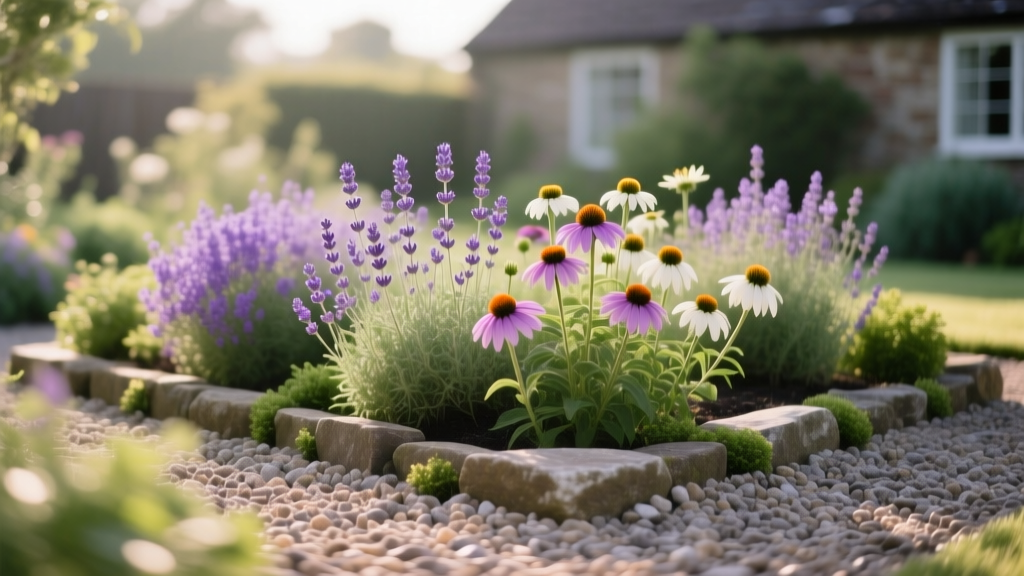
Best Mulch for Lavender & Coneflower Cottage Borders in 2026
David ParkPublished
The 2026 Cottage Garden Evolution
The traditional English cottage garden has undergone a massive transformation by 2026. As climate patterns shift and water conservation becomes a priority for modern landscapers, the romantic, wild aesthetic of the cottage garden is now being paired with xeriscaping principles. At the forefront of this movement are drought-resilient, pollinator-friendly borders anchored by Lavender (Lavandula) and Coneflower (Echinacea purpurea). When planted together, these perennials create a stunning visual contrast of silvery foliage, purple spikes, and vibrant daisy-like blooms.
However, the success of this specific plant pairing hinges entirely on one often-overlooked landscaping element: mulch. While traditional cottage gardens relied heavily on moisture-retaining organic composts, the modern lavender and coneflower border requires a completely different approach to soil top-dressing. Choosing the wrong mulching material in 2026 will quickly lead to fungal diseases, root rot, and the loss of your carefully curated border.
The Root of the Problem: Moisture Retention vs. Crown Rot
To understand why standard mulching methods fail in this scenario, we must look at the native habitats of these plants. Lavender is a Mediterranean herb that demands sharp drainage, full sun, and alkaline to neutral soil. It is highly susceptible to collar rot if moisture is trapped against its woody base. Coneflowers, native to the North American prairies, are incredibly tough and drought-tolerant once established, but they share a similar vulnerability to crown rot in soggy, poorly drained winter soils.
According to the University of Minnesota Extension, while Echinacea is remarkably adaptable, excessive moisture around the root crown during freeze-thaw cycles is the primary cause of winter kill and fungal pathogens. Traditional hardwood bark mulch, shredded cedar, or cocoa bean hulls act like a sponge. They retain water, break down into acidic humus, and create a humid microclimate at the soil surface. For a lavender and coneflower border, applying these organic mulches is essentially a death sentence.
Top Mulching Materials for the Lavender-Coneflower Border
To achieve the perfect balance of weed suppression, moisture management, and soil chemistry, landscapers in 2026 are turning to inorganic and highly porous mulching materials. Here are the top choices for your cottage border.
1. Crushed Gravel and Pea Stone (The Gold Standard)
Crushed granite, limestone, or pea gravel (specifically in the 1/4-inch to 3/8-inch size range) is the ultimate mulch for this plant combination. Unlike organic wood chips, gravel does not retain moisture against the plant crown. Instead, it allows rain to pass through instantly while reflecting sunlight back up into the plant canopy, which lavender absolutely loves. Furthermore, gravel absorbs heat during the day and radiates it at night, creating a warm microclimate that mimics the Mediterranean and promotes robust essential oil production in lavender.
2. Crushed Oyster Shells
For gardens with slightly acidic native soil, crushed oyster shells are a premium 2026 mulching choice. As the shells slowly break down, they release calcium carbonate, naturally buffering the soil to the alkaline pH (6.7 to 7.3) that lavender requires. The sharp, jagged edges of the shells also serve as an excellent physical deterrent against slugs and snails, which often target the tender new shoots of coneflowers in early spring.
3. Expanded Shale
If your cottage garden is built on heavy, compacted clay, expanded shale is a revolutionary mulching amendment. This porous, lightweight aggregate improves surface drainage and prevents soil crusting. While it is slightly more expensive than standard gravel, its ability to aerate the top layer of clay soil makes it invaluable for preventing the waterlogging that destroys prairie natives and Mediterranean herbs alike.
Materials to Strictly Avoid
- Shredded Hardwood/Bark: Retains too much moisture and acidifies the soil as it decomposes.
- Cocoa Bean Hulls: Highly toxic to pets and retains excessive surface humidity.
- Rubber Mulch: Leaches chemicals, traps heat to damaging levels, and prevents proper gas exchange in the soil.
- Plastic Sheet Weed Barriers: Impermeable plastic suffocates the soil microbiome and traps condensation directly against the plant crowns.
2026 Mulch Comparison Chart for Cottage Borders
| Mulch Material | Drainage Rating | pH Impact | Est. Cost per Cu. Yd (2026) | Best Application |
|---|---|---|---|---|
| 1/4" Crushed Granite | Excellent | Neutral | $75 - $95 | Standard borders, high heat reflection |
| Pea Gravel (3/8") | Very Good | Neutral | $60 - $80 | Pathway edges, informal cottage edges |
| Crushed Oyster Shells | Excellent | Alkaline (Raises pH) | $90 - $120 | Acidic native soils, slug deterrence |
| Expanded Shale | Excellent | Neutral | $110 - $140 | Heavy clay soil amendment and top-dressing |
| Pine Needles | Good | Acidic (Lowers pH) | $40 - $60 | Avoid for lavender; use only for acid-loving companions |
Step-by-Step Application: The 'Crown-Gap' Technique
Even with the perfect inorganic mulch, improper installation will ruin your border. The Royal Horticultural Society (RHS) emphasizes that lavender must never be mulched directly against its woody stem, as this invites fatal collar rot. Follow these steps for a flawless 2026 installation.
Step 1: Soil Preparation and Grading
Before laying any mulch, ensure the garden bed is graded to a gentle 2% slope to encourage surface runoff. Amend heavy soils with coarse horticultural sand or grit. Remove all existing weeds, including the roots of perennial bindweed, as extracting them through a gravel layer later is nearly impossible.
Step 2: Install a Woven Geotextile Fabric
According to Penn State Extension, using a permeable, woven geotextile landscape fabric is highly recommended for inorganic mulch beds. This fabric suppresses weed growth while allowing water and oxygen to penetrate the soil profile. Cut X-shaped slits in the fabric where your lavender and coneflowers are planted. Never use solid black plastic.
Step 3: Apply the 2-Inch Depth Rule
Spread your chosen gravel or crushed stone to a uniform depth of exactly 2 inches. Any deeper, and you risk impeding the gas exchange necessary for the shallow feeder roots of the coneflowers. Any shallower, and weeds will easily penetrate the surface.
Step 4: The Crucial Crown Gap
This is the most critical step. Pull the mulch back to create a bare, 2-inch to 3-inch ring of exposed soil directly around the base (the crown) of every single lavender and coneflower plant. This 'donut' method ensures that the woody base of the lavender remains completely dry and exposed to the air, drastically reducing the risk of fungal infections and winter rot.
Seasonal Maintenance and Weed Management
Maintaining a gravel-mulched cottage border is vastly different from maintaining a wood-chip bed. You will not need to top-dress the bed annually, as inorganic mulch does not decompose. However, wind-blown soil and debris can eventually settle into the gravel, creating a medium for weed seeds to germinate.
In early spring, use a stiff-tined metal rake or a leaf blower on a low setting to remove fallen autumn leaves and organic debris from the surface of the gravel. If weeds do appear, hand-pulling is the safest method to avoid disturbing the shallow roots of the lavender. For severe weed pressure, organic landscapers in 2026 are utilizing targeted flame weeding or applying horticultural vinegar directly to the weed foliage, taking extreme care not to spray the desirable perennials or alter the soil pH.
Every three to four years, you may need to add a thin, half-inch top layer of fresh gravel to maintain the 2-inch depth and keep the border looking pristine. By respecting the unique drainage and chemical needs of lavender and coneflowers, your cottage garden border will thrive, offering a low-maintenance, pollinator-rich oasis for years to come.

