
Landscaping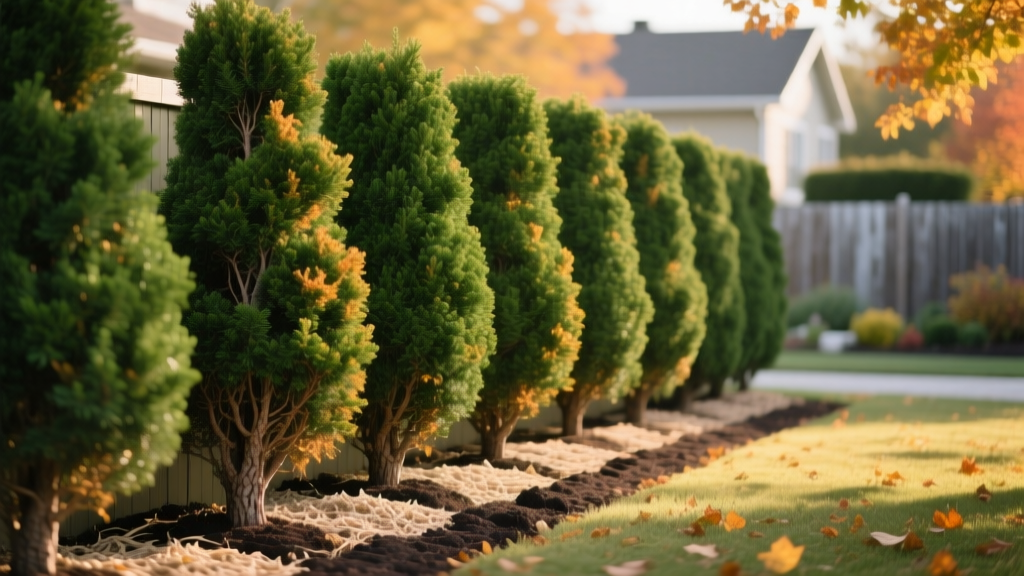
2026 Fall Guide: Green Giant Arborvitae Privacy Screens
Anna KowalskiPublished
Transform Your Yard with a Living Privacy Screen
As homeowners in 2026 continue to invest heavily in outdoor living spaces, the demand for natural, living privacy screens has never been higher. Fencing can be expensive, visually harsh, and subject to local HOA restrictions. Enter the Green Giant arborvitae (Thuja standishii x plicata 'Green Giant'). This robust, fast-growing evergreen has become the gold standard for creating lush, year-round backyard privacy. While many gardeners rush to plant in the spring, landscaping experts and arborists overwhelmingly recommend fall as the superior season for establishing these magnificent trees. This comprehensive guide will walk you through the exact steps, spacing requirements, and winterization techniques needed to successfully plant a Green Giant privacy screen in the autumn of 2026.
Why Choose Green Giant Arborvitae?
Before breaking ground, it is essential to understand why this specific cultivar dominates the privacy hedge market. The Green Giant is a hybrid cross between the Japanese arborvitae and the Western redcedar. This genetic combination results in a tree that is exceptionally vigorous, capable of growing 3 to 5 feet per year once established. According to the Missouri Botanical Garden, this cultivar boasts excellent resistance to bagworms and deer, two common pests that frequently decimate other popular hedges like the Leyland Cypress. Furthermore, it maintains its rich, dark green color throughout the winter months, avoiding the unsightly bronze tint that plagues lesser evergreens in cold climates. It thrives in USDA Hardiness Zones 5 through 8, making it a versatile choice for a vast majority of North American landscapes.
The Fall 2026 Advantage: Why Autumn is the Ideal Planting Season
Planting your privacy screen in the fall offers distinct physiological advantages for the trees. During autumn, the soil still retains residual warmth from the summer months, which actively stimulates root growth. Meanwhile, the cooler air temperatures significantly reduce the rate of transpiration (water loss through the leaves), minimizing transplant shock. By planting in early to mid-fall, your Green Giants will spend their energy establishing a robust root system rather than pushing out new top growth. This ensures they are firmly anchored and hydrated before the harsh freezes of winter and the drought-prone heatwaves of the following summer. Always consult the current USDA Plant Hardiness Zone Map to determine your exact first frost date, aiming to plant at least four to six weeks before the ground freezes solid.
Planning Your Layout: Spacing and Siting
One of the most common mistakes homeowners make is planting trees too closely together in an attempt to achieve "instant" privacy. Overcrowding leads to intense competition for water and nutrients, poor air circulation, and an increased risk of fungal diseases. To ensure a healthy, long-lasting screen in 2026, follow the spacing guidelines below based on your specific landscaping goals.
| Screen Type | Spacing (Center-to-Center) | Time to Full Privacy | Best Use Case |
|---|---|---|---|
| Dense Privacy Hedge | 6 to 8 feet | 2 to 3 years | Blocking close neighbors, narrow property lines |
| Standard Visual Screen | 10 to 12 feet | 3 to 4 years | General backyard privacy, property boundaries |
| Eco-Windbreak | 15 to 20 feet | 5+ years | Large acreage, blocking harsh winter winds, wildlife habitat |
Pro Tip: Instead of planting in a rigid, straight line, consider staggering your trees in a zig-zag pattern. This creates a wider, more natural-looking hedge, provides better wind deflection, and allows each tree more access to sunlight and soil nutrients.
Step-by-Step Fall Planting Instructions
Proper planting technique is the single most critical factor in the long-term survival of your privacy screen. Follow these steps to ensure your Green Giants thrive.
1. Call Before You Dig and Prepare the Site
Always call your local utility locating service (such as 811 in the United States) a few days before digging to mark underground lines. Once cleared, remove all sod and weeds from the planting strip. Avoid using heavy chemical herbicides right before planting, as residual chemicals can harm the delicate new roots of your trees.
2. Digging the Perfect Hole
Contrary to old gardening myths, you should not dig a deep, narrow hole. According to research published by Penn State Extension, tree holes should be dug two to three times as wide as the root ball, but no deeper than the root ball itself. The goal is to provide loose, aerated soil for the lateral roots to expand into, while ensuring the tree sits on undisturbed soil at the bottom so it does not sink over time.
3. Identifying the Root Flare
Before placing the tree in the hole, brush away any excess soil or mulch from the top of the root ball to find the "root flare"—the exact point where the trunk widens and transitions into roots. This flare must remain slightly above the final grade level. Planting an evergreen too deeply is a fatal error that leads to trunk rot and suffocated roots.
4. Backfilling and Watering
Place the tree in the center of the hole, ensuring it is straight. Backfill the hole using the native soil you just dug out. Modern arboriculture strongly advises against heavily amending the backfill with compost or peat moss, as this creates a "pot effect" where roots refuse to expand into the surrounding native soil. As you backfill, gently tamp the soil to remove large air pockets, and water thoroughly to settle the earth.
Fall Watering and Winterizing Your New Hedge
Just because the autumn air is cool does not mean your new evergreens are dormant. Evergreens retain their foliage year-round, meaning they continue to lose moisture to the wind and sun throughout the winter. If they enter the winter with dry roots, they will suffer from severe "winter burn," characterized by brown, crispy foliage on the windward side of the tree.
- Deep Watering Schedule: Continue to water your newly planted Green Giants deeply once a week until the ground freezes completely. A good rule of thumb is to provide 10 gallons of water per inch of trunk caliper. Use a slow-dripping soaker hose to ensure the water penetrates deep into the root zone rather than running off the surface.
- Mulching Correctly: Apply a 2 to 3-inch layer of organic hardwood mulch around the base of each tree to retain soil moisture and insulate the roots. Crucial: Keep the mulch at least 3 inches away from the actual trunk of the tree. "Volcano mulching" (piling mulch against the bark) invites rodents, traps excess moisture, and causes fatal fungal cankers.
- Anti-Desiccant Sprays: In late November or early December, consider applying an organic anti-desiccant spray (such as Wilt Pruf) to the foliage. This coats the needles in a protective, breathable polymer that reduces moisture loss during harsh, drying winter winds.
- Snow Load Management: Green Giants have relatively flexible branches, but heavy, wet snow can cause them to splay or split. Gently brush heavy snow accumulations off the branches with a broom using upward motions, rather than shaking the trunk violently.
2026 Cost Estimates and Sourcing
When budgeting for your fall 2026 landscaping project, it is important to weigh the initial cost against the time it takes to achieve privacy. Nursery pricing fluctuates based on region and availability, but here are the current average market rates for high-quality Green Giant arborvitae:
- 4 to 5-foot trees (3-gallon container): $45 to $75 each. Best for budget-conscious buyers willing to wait 3-4 years for a solid screen.
- 6 to 7-foot trees (15-gallon container or small B&B): $110 to $160 each. The "sweet spot" for most homeowners, offering a great balance of immediate impact and manageable planting labor.
- 8 to 10-foot trees (Large Balled and Burlapped): $250 to $400+ each. Requires heavy machinery or a professional landscaping crew to plant, but provides near-instant privacy.
When sourcing your trees, avoid big-box hardware stores where trees may have been sitting on hot pavement for weeks, becoming rootbound and stressed. Instead, visit local, reputable nurseries that specialize in woody ornamentals. Inspect the foliage for vibrant color, check the soil moisture in the containers, and gently tug on the trunk to ensure the root system is firmly established and not recently potted.
Conclusion
Installing a Green Giant arborvitae privacy screen in the fall of 2026 is one of the most impactful investments you can make in your property's curb appeal and your family's outdoor comfort. By leveraging the natural advantages of autumn planting, adhering to proper spacing guidelines, and committing to a rigorous winterizing routine, you will establish a towering, emerald-green sanctuary that will thrive for decades to come. Grab your shovel, check your local frost dates, and start transforming your backyard into a private oasis today.

