
Landscaping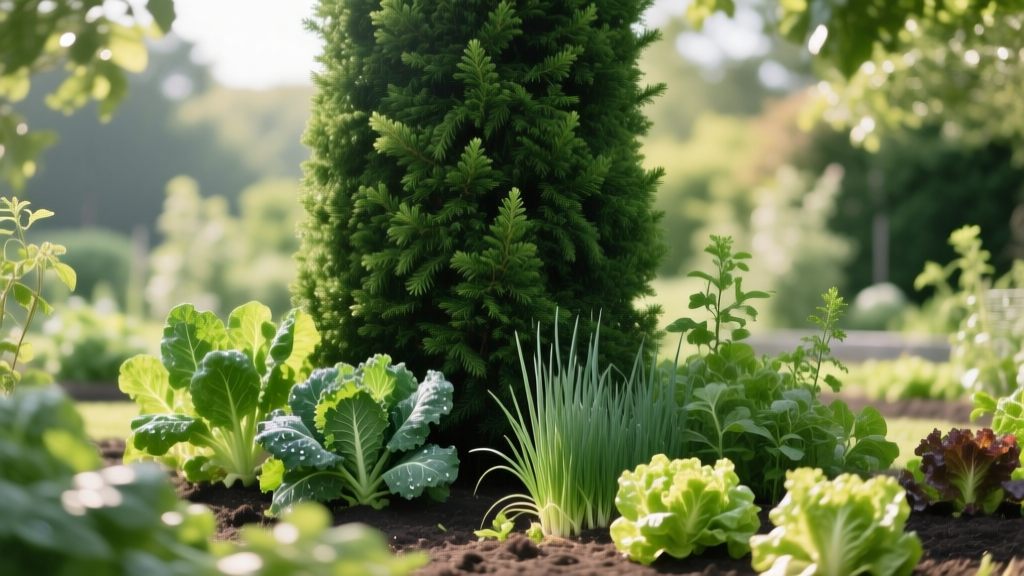
2026 Guide: Green Giant Arborvitae Privacy & Foodscaping
Anna KowalskiPublished
The 2026 Paradigm: Merging Privacy with Foodscaping
In the 2026 landscaping season, the modern backyard is no longer just a visual retreat; it is a productive, edible ecosystem. Homeowners are increasingly turning away from expensive, static wooden fences and embracing living, breathing privacy screens that double as food sources. The undisputed king of fast-growing privacy hedging remains the Thuja standishii x plicata 'Green Giant' arborvitae. However, integrating this towering, fast-growing conifer with foodscaping principles requires strategic planning. If you simply plant vegetables at the base of a Green Giant, you will face severe root competition and deep shade. This comprehensive guide explores how to successfully design, plant, and maintain a dual-purpose Green Giant privacy screen and edible understory corridor in 2026.
Why Green Giant Arborvitae Remains the 2026 Privacy Standard
The Green Giant arborvitae is a hybrid cross between the Japanese arborvitae and the Western redcedar. It is celebrated for its vigorous growth rate of 3 to 5 feet per year under optimal conditions, eventually reaching mature heights of 30 to 50 feet with a spread of 12 to 20 feet. In 2026, with pressure-treated lumber and composite fencing prices continuing to hover at premium levels—often exceeding $65 to $95 per linear foot for a 6-foot privacy fence—a living Green Giant screen offers an incredible return on investment. Nursery pricing for a 5-to-6-foot burlap-wrapped Green Giant sapling averages between $55 and $85 in 2026, making it a highly cost-effective alternative that also sequesters carbon, reduces noise pollution, and provides critical winter shelter for local bird populations.
Furthermore, the Green Giant is highly resistant to deer browsing and bagworms, two common issues that plague other privacy hedges like the Leyland cypress or Eastern redcedar. According to the Arbor Day Foundation's Tree Planting Guide, proper site selection and initial watering are the most critical factors in ensuring these trees establish the deep root systems necessary to support a surrounding edible landscape.
The Microclimate Challenge: Roots, Shade, and Soil pH
Before selecting your edible companions, you must understand the microclimate created by a mature Green Giant screen. Conifers cast dense, year-round shade and possess aggressive, shallow root systems that hoard water and nutrients. Additionally, the soil directly beneath arborvitae tends to become slightly acidic over time due to the decomposition of dropped foliage.
Therefore, sun-loving annual crops like tomatoes, peppers, and corn will fail in the understory. Instead, successful foodscaping in 2026 relies on a zoned approach, categorizing plants by their distance from the tree trunk, their shade tolerance, and their soil pH requirements. The University of Minnesota Extension Yard and Garden resources emphasize that understanding microclimates is the foundation of resilient, low-maintenance edible landscaping.
The Three-Zone Edible Privacy Corridor Strategy
To maximize both privacy and food production, divide the planting bed into three distinct zones radiating outward from the center of the Green Giant trunks.
Zone 1: The Deep Understory (0 to 4 Feet from Trunk)
This zone is characterized by deep shade, dry soil, and intense root competition. The goal here is not high-yield agriculture, but rather soil stabilization and low-maintenance, shade-tolerant perennial edibles.
- Alpine Strawberries (Fragaria vesca): Unlike standard garden strawberries, alpine varieties thrive in dappled to deep shade and produce small, intensely flavorful berries throughout the summer and early fall.
- Sweet Woodruff (Galium odoratum): A beautiful, shade-loving ground cover that produces star-shaped white flowers. The leaves are edible and traditionally used to flavor teas and spring wines.
- Edible Ferns (Ostrich Fern - Matteuccia struthiopteris): Harvested in early spring as 'fiddleheads', these native ferns thrive in the cool, shaded environment at the base of the arborvitae.
Zone 2: The Dappled Transition (4 to 8 Feet from Trunk)
As you move away from the trunk, the canopy allows for dappled morning or late afternoon sunlight. This zone is ideal for robust perennial edibles and medicinal herbs that tolerate part-shade.
- Rhubarb (Rheum rhabarbarum): A massive, architectural perennial that produces edible tart stalks in spring. It tolerates part-shade well and its large leaves help suppress weeds around the tree base.
- Mint (Mentha spp.): Highly shade-tolerant and vigorous. Crucial 2026 Tip: Always plant mint in sunken, bottomless 5-gallon nursery pots to prevent its aggressive rhizomes from invading the Green Giant's root zone or spreading into your lawn.
- Ramps / Wild Leeks (Allium tricoccum): A prized native allium that naturally grows in shaded woodland edges. They emerge in early spring before the tree canopy fully leafs out, though arborvitae are evergreen, the lower light levels still support their slow growth.
Zone 3: The Sunny Perimeter (8 to 12+ Feet from Trunk)
This outer edge receives full sun for the majority of the day, safely away from the most aggressive root competition. This is your high-production foodscaping zone.
- Berry Brambles: Raspberries and blackberries can be trained along a trellis that runs parallel to the privacy screen, creating a secondary, edible barrier.
- Dwarf Fruit Trees: Planting semi-dwarf apple or pear trees 10 feet away from the Green Giants creates a staggered, multi-layered privacy effect while providing abundant autumn harvests.
- Blueberries: While Green Giants prefer a neutral pH (6.0-7.5), blueberries require acidic soil (4.5-5.5). Plant them in Zone 3 where you can heavily amend the soil with elemental sulfur and peat moss without affecting the arborvitae's health.
Pro Foodscaping Tip: To increase light penetration to Zones 1 and 2, practice 'limbing up' or 'windowing' your Green Giants. Once the trees reach 15 feet in height, carefully prune the lowest 3 to 4 feet of branches. This elevates the canopy, allowing dappled sunlight to reach the understory edibles while maintaining the privacy screen at eye level and above.
2026 Cost and Planting Matrix for a 50-Foot Screen
Below is a projected cost and spacing matrix for establishing a 50-foot dual-purpose privacy and edible corridor in the 2026 landscaping season. Prices reflect current national averages for nursery stock and materials.
| Component | Quantity | Spacing / Placement | Est. 2026 Cost | Time to Maturity |
|---|---|---|---|---|
| Green Giant Saplings (5-6 ft B&B) | 8 Trees | 6 feet apart (Center) | $640.00 | 3-5 Years (Privacy) |
| Subsurface Drip Irrigation Line | 100 ft Roll | Zone 1 & Zone 2 | $85.00 | Immediate |
| Alpine Strawberry Plugs | 50 Plants | Zone 1 (12 inches apart) | $60.00 | 1 Year (Fruiting) |
| Rhubarb Crowns | 4 Plants | Zone 2 (3 feet apart) | $45.00 | 2 Years (Full Harvest) |
| Dwarf Honeycrisp Apple | 2 Trees | Zone 3 (10 feet from trunk) | $130.00 | 3-4 Years (Fruiting) |
| Arborist Wood Chip Mulch | 3 Cubic Yards | All Zones (2-3 inches deep) | $120.00 | N/A |
Soil Preparation and Dual-Zone Irrigation
One of the most common mistakes in foodscaping near large conifers is underwatering. The Green Giant is a massive water consumer. In 2026, with shifting climate patterns bringing more frequent late-summer dry spells, relying on overhead sprinklers is inefficient and promotes fungal diseases in the dense arborvitae foliage.
Instead, install a dual-line subsurface drip irrigation system. Run a primary 1/2-inch drip line directly along the base of the Green Giants, utilizing 1-gallon-per-hour emitters spaced every 12 inches. Run a secondary, adjustable soaker hose through Zone 2 and Zone 3 to cater to the specific moisture needs of your rhubarb, berries, and fruit trees. According to global sustainability guidelines outlined by the FAO Urban Agriculture and Food Systems reports, precision drip irrigation in urban and suburban foodscapes can reduce water usage by up to 60% compared to traditional methods, ensuring both your privacy screen and your edible crops thrive during peak summer heat.
When backfilling the planting holes, avoid altering the soil grade around the root flare of the Green Giants. Incorporate a high-quality mycorrhizal fungi inoculant into the soil to help both the conifers and the edible perennials establish symbiotic root networks, improving drought tolerance and nutrient uptake across the entire corridor.
Conclusion
Integrating a Green Giant arborvitae privacy screen with an edible foodscaping understory is one of the most rewarding landscaping projects you can undertake in 2026. By respecting the microclimates created by the trees, selecting shade-tolerant perennial edibles for the inner zones, and reserving the sunny perimeter for high-yield fruit production, you transform a simple boundary line into a thriving, multi-layered edible ecosystem. Not only will you block the view of your neighbors within a few short seasons, but you will also cultivate a sustainable, beautiful, and delicious landscape for decades to come.

