Pest Control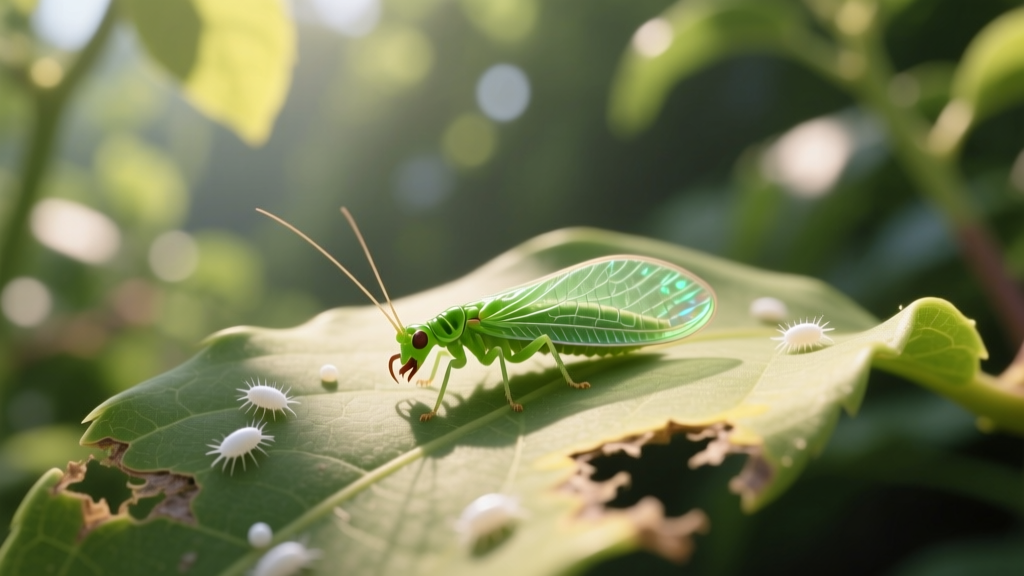
Lacewing Larvae Application Rates For Whitefly Control 2026
Emily WatsonPublished
Mastering Whitefly Management Through Ecological Balance in 2026
As we navigate the 2026 growing season, home gardeners and landscape managers are facing unprecedented pressure from whitefly populations. Driven by shifting regional microclimates and increasingly mild winters, whiteflies (particularly the greenhouse whitefly and the silverleaf whitefly) have become a dominant threat to ornamental plants, vegetables, and fruit-bearing shrubs. While chemical interventions were once the default, the modern approach to yard care heavily favors Integrated Pest Management (IPM). At the heart of this biological revolution is the green lacewing (Chrysoperla rufilabris and Chrysoperla carnea), a voracious predator whose larvae are famously dubbed 'aphid lions' for their insatiable appetite for soft-bodied pests.
However, deploying biological controls is not as simple as scattering seeds. When you introduce lacewing larvae into your garden, you are actively participating in Wildlife and Yard Animal Management. Your yard is a complex ecosystem shared with insectivorous birds, foraging toads, and beneficial reptiles. If you release lacewing larvae without a strategic plan, local wildlife may consume your expensive biological controls before they ever reach the whitefly colonies. This comprehensive guide details the exact application rates for 2026 and provides actionable strategies to protect your beneficial insects from the broader wildlife population in your yard.
Why Green Lacewing Larvae?
Adult green lacewings are delicate, pale-green insects that primarily feed on nectar, pollen, and honeydew. It is their larvae that serve as the ultimate pest control agents. According to the Penn State Extension, a single lacewing larva can consume upwards of 200 to 300 soft-bodied insects—including whitefly nymphs, aphids, and mealybugs—during its two-to-three-week developmental stage. Unlike ladybugs, which may fly away shortly after release, lacewing larvae are wingless and highly aggressive, staying on the host plant to hunt until they pupate.
Whiteflies are particularly vulnerable to lacewing larvae because they congregate in dense colonies on the undersides of leaves. The larvae use specialized mandibles to pierce the whitefly nymphs, inject digestive enzymes, and extract the contents, effectively collapsing the whitefly lifecycle before it can reproduce.
2026 Lacewing Larvae Application Rates
Determining the correct application rate is critical. Under-releasing will fail to suppress the whitefly population, while over-releasing can lead to cannibalism among the larvae if food sources become scarce. In 2026, bio-rearing facilities have standardized the following application rates based on extensive field trials and climate-adjusted pest modeling.
| Infestation Level | Larvae per Sq. Ft. | Larvae per Medium Plant | Release Frequency | Expected Control Time |
|---|---|---|---|---|
| Light (Preventative) | 1 - 2 | 10 - 15 | Every 14 days | 2 - 3 weeks |
| Moderate (Visible Swarms) | 3 - 5 | 20 - 30 | Every 7 days | 1 - 2 weeks |
| Heavy (Severe Damage) | 5 - 10 | 40 - 50 | Every 3 - 4 days | 5 - 10 days |
Note: A 'medium plant' refers to a standard 3-foot shrub, tomato plant, or ornamental bush. For large canopy trees or dense hedgerows, calculate by total square footage of the infested foliage area rather than per-plant metrics.
Calculating Your Total Order
If you have a 100-square-foot greenhouse or a densely planted 10x10 ornamental garden bed with a moderate whitefly infestation, you will need approximately 300 to 500 larvae per application. Because most commercial suppliers sell in increments of 1,000, you should purchase 1,000 larvae and apply them across multiple zones or store the remainder in a refrigerator (at exactly 40°F to 42°F) for up to 48 hours before the second release.
The Wildlife Factor: Protecting Your Beneficials
The most overlooked aspect of biological pest control is the intersection with local wildlife. The Environmental Protection Agency (EPA) heavily promotes the use of beneficial insects, but yard stewards must recognize that lacewing larvae are a high-protein snack for local fauna. Insectivorous birds such as wrens, chickadees, mockingbirds, and sparrows actively forage through garden foliage. Furthermore, ground-dwelling wildlife like toads and anoles will patrol the lower stems.
If you release larvae at noon on a sunny day, birds will spot the movement and consume a significant percentage of your biological investment. To successfully integrate lacewing releases into a wildlife-active yard, implement the following management strategies:
- Dusk Releases: Always release your lacewing larvae in the late evening or at dusk. Birds are roosting, and the larvae have the cover of darkness to disperse across the foliage and find secure hiding spots on the undersides of leaves before morning foraging begins.
- Wildlife Diversion Tactics: If you maintain bird feeders to support local avian populations, temporarily increase the provision of high-fat suet or seed mixes at the far perimeter of your property. Providing an easily accessible, high-calorie food source can divert insectivorous birds away from your cash crops and ornamental beds during the critical 48-hour establishment window.
- Temporary Canopy Covers: For highly valuable plants or severe infestations, utilize lightweight, breathable row covers immediately after releasing the larvae. This physically excludes birds and larger wildlife while allowing the larvae to hunt the trapped whitefly population undisturbed. Remove the covers after five days once the larvae have grown larger and the whitefly numbers have crashed.
- Habitat Zoning: Encourage wildlife predators like toads and lizards in designated 'wild zones' of your yard, but maintain a buffer zone around your primary garden beds. The Xerces Society for Invertebrate Conservation recommends establishing distinct habitat layers to balance the needs of macro-wildlife and micro-predators.
Step-by-Step Release Protocol
To maximize the survival rate of your lacewing larvae and ensure they immediately begin feeding on whiteflies, follow this precise application protocol:
Step 1: Pre-Release Hydration
Lacewing larvae are highly susceptible to desiccation. Before opening your shipping container, use a fine mist sprayer to lightly dampen the foliage of the target plants. Whiteflies thrive in dry, dusty conditions, so introducing a humid microclimate benefits the predator while hindering the pest.
Step 2: The Shaker Method
Commercial larvae are typically shipped in corrugated cardboard tubes or breathable bottles mixed with a carrier material like buckwheat hulls or rice bran. Gently rotate the container to distribute the larvae evenly. Sprinkle the mixture directly onto the leaves, focusing heavily on the undersides where whitefly eggs and nymphs congregate. Do not attempt to pick up individual larvae with your fingers; their mandibles are sharp and will pinch, and handling them causes fatal stress.
Step 3: The Brush Technique for Precision
For spot-treating specific, heavily infested branches, use a soft, clean makeup brush. Gently sweep a small pile of the carrier material and larvae onto the brush, and lightly dab them directly onto the whitefly colonies. This ensures immediate contact between predator and prey.
Step 4: Post-Release Environmental Control
Avoid any application of broad-spectrum pesticides, insecticidal soaps, or neem oil for at least 14 days after releasing lacewing larvae. Even organic sprays will suffocate or poison the larvae. If you must use a fungal treatment for a concurrent issue like powdery mildew, ensure it is a targeted bio-fungicide that is explicitly labeled as safe for beneficial insects.
Sourcing and Cost Expectations in 2026
The bio-control industry has seen significant advancements in automated rearing facilities, stabilizing prices despite broader economic shifts. In 2026, you can expect to pay between $22 and $32 for a standard unit of 1,000 green lacewing larvae. Premium next-day shipping is highly recommended and usually adds $15 to $25 to the order. Never purchase biological controls from general retail garden centers where the inventory may have been sitting on a warm shelf for weeks; always order directly from specialized, climate-controlled bio-rearing laboratories that ship on the day of harvest.
When your order arrives, inspect the container immediately. You should see active, pale-brown to grey larvae moving among the carrier material. If the container feels excessively hot or the larvae appear entirely black and immobile, contact the supplier for a replacement under their live-delivery guarantee.
Conclusion: A Balanced Yard Ecosystem
Managing whiteflies with green lacewing larvae is one of the most effective, ecologically sound strategies available to modern gardeners. By adhering to the precise application rates outlined above and respecting the complex dynamics of your yard's wildlife, you can achieve rapid pest suppression without resorting to toxic chemicals. Remember that true pest control is not about creating a sterile environment; it is about orchestrating a balanced ecosystem where beneficial predators thrive, wildlife is managed intelligently, and your garden flourishes naturally throughout the 2026 season and beyond.