Gardening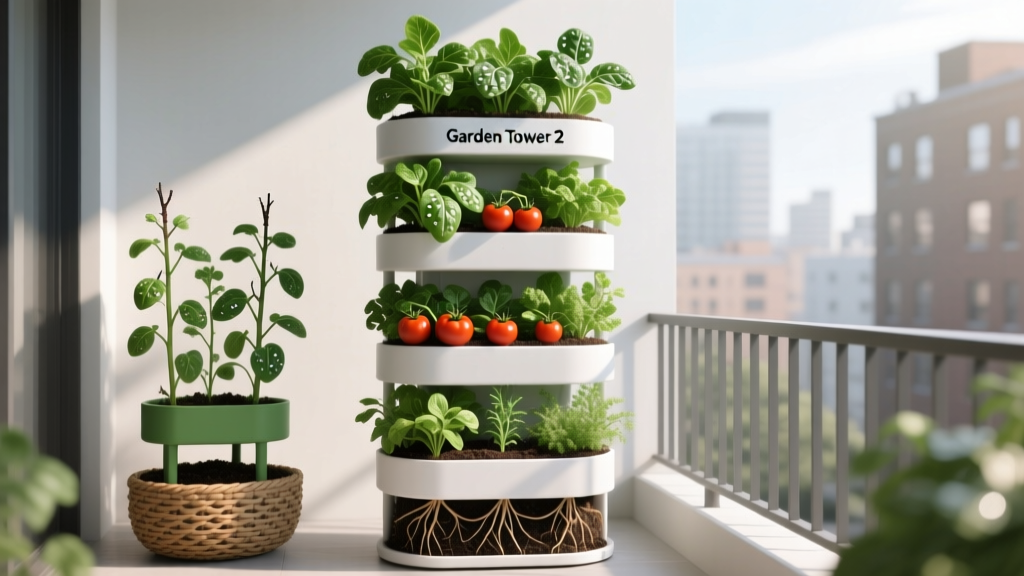
GreenStalk vs Garden Tower 2: 2026 Pruning Guide
Sarah ChenPublished
Vertical gardening has undergone a massive evolution by 2026, with urban and suburban growers maximizing their yields in minimal square footage. Among the most popular systems on the market are the soil-based GreenStalk and the high-density Garden Tower 2. While both systems promise abundant harvests, the secret to their success lies in a horticultural practice that many beginners overlook: strategic pruning. When you stack 30 to 52 plants in a vertical column, microclimates shift dramatically. Without precise pruning methods and timing, your vertical oasis can quickly turn into a tangled, unproductive jungle.
In this comprehensive 2026 guide, we compare the pruning methodologies required for the GreenStalk versus the Garden Tower 2, helping you manage canopy density, optimize light penetration, and direct plant energy toward fruit production.
The Unique Challenges of Vertical Tower Pruning
Pruning in a traditional raised bed is largely about airflow and disease prevention. In a vertical tower, pruning is also about light equity and structural integrity. According to research on containerized vegetable production from the University of Minnesota Extension, managing the vegetative canopy is critical when root volumes are restricted. In vertical towers, the top tiers receive unfiltered solar radiation, while the lower tiers exist in partial shade. If top-tier plants are left unpruned, they will cast shadows that stunt the growth of the lower pockets.
Furthermore, the root-to-shoot ratio in tower gardens is highly constrained. A plant with a massive, unpruned canopy will demand more water and nutrients than the small pocket of soil or hydroponic medium can supply, leading to wilting, blossom end rot, and premature bolting.
GreenStalk: Pruning for Soil-Based Tiered Systems
The GreenStalk 5-Tier system holds roughly 30 plants in individual soil-filled pockets. Because it relies on a top-down gravity watering system, the soil moisture levels fluctuate more noticeably than in recirculating hydroponic towers.
Pruning Methods for GreenStalk
- The Lollipop Technique: For vining crops like cherry tomatoes or cucumbers planted in the top two tiers, prune all lateral suckers and lower leaves up to the first fruiting node. This reduces transpiration demands on the limited soil volume and prevents the heavy top foliage from acting as a sail in high winds, which can tip the tower.
- Thinning for Airflow: The GreenStalk's pockets are relatively wide. Thin out dense inner leaves of peppers and eggplants to ensure the central stem receives adequate airflow, reducing the risk of powdery mildew—a common issue in tightly stacked soil systems.
- Harvest-Pruning (Cut-and-Come-Again): For leafy greens in the lower, shadier tiers, practice aggressive outer-leaf harvesting. This acts as a form of pruning that keeps the plant in a vegetative state and prevents it from stretching toward the light.
Timing Your GreenStalk Pruning
Because soil-based systems experience slight moisture stress during hot 2026 summer afternoons, always prune your GreenStalk in the early morning. This gives the plant's wounds time to callous over before the evening humidity sets in, minimizing pathogen entry.
Garden Tower 2: Managing High-Density Canopies
The Garden Tower 2 (GT2) is a behemoth of vertical gardening, boasting 52 planting pockets and a central vermicomposting column. Whether you are using it with a soil mix or adapting it for hydroponic irrigation, the sheer density of the GT2 requires a much more aggressive pruning schedule.
Pruning Methods for Garden Tower 2
- Aggressive Sucker Removal: With 52 plants competing for light, indeterminate tomatoes and peppers must be pruned to a single or double leader. The Penn State Extension emphasizes that removing axillary buds (suckers) early directs energy into fruit production rather than excess foliage, which is vital when 50 other plants are fighting for the same light.
- Canopy Topping: When fast-growing herbs like basil or mint reach the upper limits of their pocket zone, top the apical meristem (the main growing tip). This forces lateral branching, creating a bushier, shorter plant that will not block the central compost tube's access or shade the tiers below.
- Deadheading and Defoliation: The GT2's central compost column relies on oxygen flow and worm activity. If lower-tier plants are allowed to die back or droop over the central column, they can block airflow and create anaerobic pockets. Prune away any yellowing or necrotic tissue immediately.
Timing Your GT2 Pruning
Due to the accelerated growth rates often seen in the GT2 (especially if supplemented with liquid nutrients from the central worm column), pruning is not a weekly chore—it is a bi-weekly or even daily scouting mission. Spend five minutes every morning pinching off new suckers while they are still under an inch long.
Head-to-Head Comparison: Pruning and Maintenance Metrics
| Metric | GreenStalk (5-Tier) | Garden Tower 2 |
|---|---|---|
| Plant Capacity | 30 Pockets | 52 Pockets |
| Primary Pruning Goal | Moisture conservation and wind resistance | Light penetration and canopy containment |
| Pruning Frequency | 1-2 times per week | 3-4 times per week (daily scouting) |
| Best Tool | Micro-snips and bypass pruners | Pinching by hand and precision shears |
| Lower Tier Strategy | Shade-tolerant greens; outer-leaf pruning | Compact herbs; strict deadheading |
| 2026 Avg. Base Cost | ~$159.00 | ~$549.00 |
Crop-Specific Pruning Timelines for Vertical Towers
To succeed in 2026, you must tailor your pruning timeline to the specific crop and its position on the tower.
Indeterminate Tomatoes
Plant only in the top 2 tiers. Timing: Begin sucker removal when the plant is 12 inches tall. Continue weekly. Top the main stem 30 days before your first expected fall frost to force the ripening of existing fruit.
Peppers (Bell and Hot)
Plant in the middle tiers. Timing: Pinch off the first set of flower buds to encourage a stronger root and stem structure. Once the plant is established, prune the lower 3 inches of leaves to prevent soil-borne pathogens from splashing up from the pockets below.
Basil and Leafy Herbs
Plant in the lower to middle tiers. Timing: Prune the central stem just above a leaf node once the plant has 6 true leaves. This prevents flowering (bolting) and encourages a dense, bushy habit that maximizes yield per pocket. As noted by the University of Florida IFAS Extension, frequent harvesting of herbs acts as a vital pruning mechanism that extends the plant's productive lifespan.
Sanitation and Tool Care in 2026
In a high-density vertical garden, a single infected leaf can spread disease to all 52 plants via wind, water splash, or your pruning tools. Keep a small spray bottle of 70% isopropyl alcohol attached to your tower. Wipe your bypass pruners between every single plant. Never prune wet foliage; water acts as a highway for bacterial and fungal spores.
Conclusion
Choosing between the GreenStalk and the Garden Tower 2 in 2026 comes down to your available space, budget, and willingness to manage the canopy. The GreenStalk offers a more forgiving, soil-based approach where pruning is focused on moisture management and structural balance. The Garden Tower 2 demands a rigorous, almost daily pruning regimen to tame its explosive, high-density growth. By mastering these pruning methods and timing your cuts correctly, you will transform your vertical tower from a chaotic tangle into a highly efficient, fruit-producing column.
