
Landscaping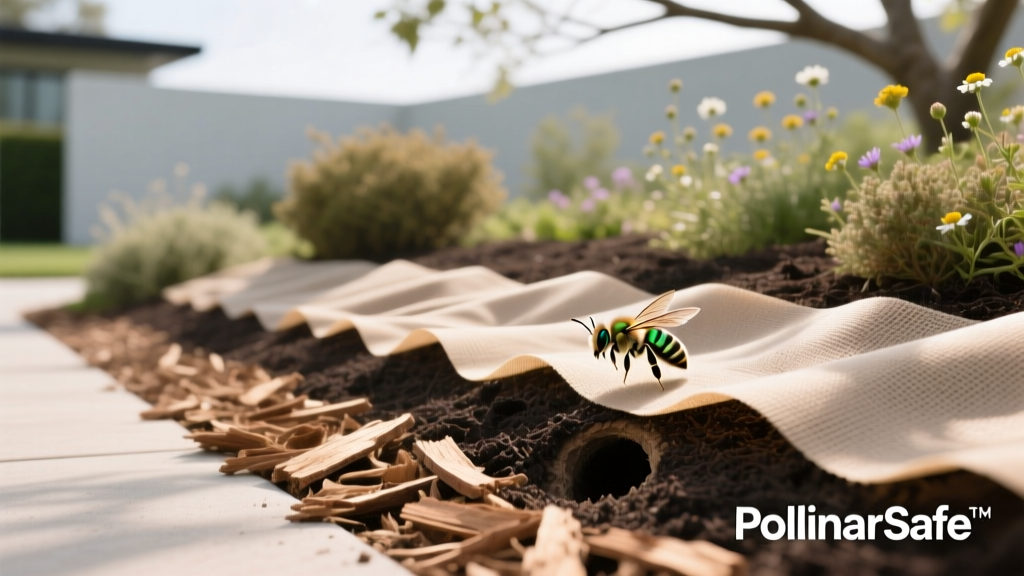
Pollinator-Safe Mulch and Weed Barrier Guide for 2026
Mike RodriguezPublished
The Hidden Conflict: Weed Barriers vs. Ground-Nesting Pollinators
As we move through 2026, the landscaping industry has seen a massive shift toward sustainable, eco-conscious garden design. Homeowners are increasingly prioritizing pollinator-friendly habitats, planting native milkweed, coneflowers, and goldenrods to support declining insect populations. However, a hidden conflict often undermines these well-intentioned efforts: the standard installation of landscape fabric weed barriers and thick layers of wood mulch. While these methods are excellent for suppressing weeds and retaining moisture in traditional ornamental beds, they can be devastating to the very pollinators you are trying to attract.
According to the Xerces Society for Invertebrate Conservation, approximately 70% of native bee species in North America are ground-nesting. Unlike honeybees that live in hives, native species such as sweat bees, miner bees, and bumblebees dig small tunnels in bare, undisturbed, and well-draining soil to lay their eggs. When a garden bed is completely smothered in impermeable woven plastic landscape fabric and capped with three to four inches of dense mulch, these essential pollinators are effectively locked out of their natural nesting habitats. To create a truly thriving pollinator garden in 2026, we must rethink how we approach weed control and mulch installation.
Why Traditional Landscape Fabric Fails Pollinator Gardens
Traditional landscape fabric, typically made from woven polypropylene or perforated plastic, was designed for agricultural and commercial landscaping efficiency. Its primary goal is to block sunlight to prevent weed seed germination while allowing water to pass through. However, in a pollinator-friendly landscape, this material presents several critical issues:
- Physical Barrier to Nesting: Ground-nesting bees require direct access to the soil surface. Woven fabrics, even when covered in mulch, prevent female bees from excavating their brood chambers.
- Soil Compaction and Health: Over time, landscape fabric disrupts the natural exchange of organic matter between the soil surface and the subsoil. Earthworms and beneficial soil microbes are starved of surface nutrients, leading to compacted, lifeless soil that is difficult for insects to penetrate.
- Water Runoff: As fabrics age and become clogged with fine soil particles and decomposing mulch, they lose their permeability. This leads to increased water runoff, depriving your native pollinator plants of deep hydration during the peak summer heat.
2026 Weed Barrier Alternatives: A Comparison Chart
The good news is that the landscaping market in 2026 offers a variety of innovative, biodegradable, and eco-friendly weed suppression methods that balance plant health with ecological responsibility. Below is a comparison of the most common weed barrier methods used in modern pollinator gardens.
| Weed Control Method | Weed Suppression | Pollinator Safety | Est. Cost (per sq. ft.) | Lifespan |
|---|---|---|---|---|
| Woven Polypropylene Fabric | Excellent | Poor (Blocks nesting) | $0.15 - $0.25 | 5-10 Years |
| Black Plastic Sheeting | Excellent | Very Poor (Impermeable) | $0.05 - $0.10 | 1-3 Years |
| Corrugated Cardboard (Sheet Mulching) | Good (Initial) | Excellent (Decomposes) | $0.02 - $0.05 | 6-12 Months |
| Biodegradable Cellulose/Cornstarch Mats | Very Good | Very Good (Porous/Breaks down) | $0.20 - $0.35 | 12-18 Months |
| Strategic Bare Soil Patches (No Barrier) | N/A (Requires weeding) | Perfect (Ideal nesting zones) | $0.00 | Permanent |
For pollinator gardens, the National Wildlife Federation recommends utilizing sheet mulching with cardboard or investing in modern cellulose-based biodegradable mats. These materials suppress aggressive weeds during the critical establishment phase of your native plants but eventually break down, restoring full soil ecology and allowing ground-nesting bees to access the earth in subsequent seasons.
Choosing the Right Mulch for Pollinator Habitats
If you are using a biodegradable barrier or practicing strategic bare-soil management, the type of mulch you apply on top is equally important. Not all mulches are created equal when it comes to supporting insect life.
Best Mulches for Pollinator Gardens
- Arborist Wood Chips: Sourced locally, these chips are varied in size and decompose slowly, feeding the soil food web. They are loose enough that they do not form an impenetrable mat, allowing some ground-nesting insects to navigate through them.
- Leaf Mold and Shredded Leaves: This is the gold standard for sustainable landscaping in 2026. Shredded leaves mimic the natural forest floor, retain moisture beautifully, and provide essential overwintering habitat for butterfly chrysalises and bumblebee queens.
- Pine Straw: Excellent for sloped beds, pine straw interlocks to prevent erosion while remaining highly porous and lightweight, making it easy for ground-dwelling insects to move beneath.
Mulches to Avoid
- Dyed Mulches: Often made from recycled pallets, the colorants and potential heavy metals can leach into the soil, harming sensitive soil microbes and insect larvae.
- Rubber Mulch: Made from recycled tires, this material heats up to extreme temperatures in the summer sun, which can be lethal to ground-nesting bee larvae and offers zero nutritional value to the soil.
- Thick Pine Bark Nuggets: Large, heavy nuggets can create a physical barrier similar to landscape fabric, blocking smaller native bees from reaching the soil surface.
Step-by-Step Installation for a Thriving 2026 Pollinator Garden
Balancing weed suppression with ecological health requires a nuanced approach to installation. Follow these steps to install mulch and weed barriers without compromising your local pollinator population.
Step 1: Map the Sun and Drainage
Ground-nesting bees prefer to dig their tunnels in south-facing, gently sloping areas that receive full morning sun and drain well. Identify these zones in your garden. These specific areas will become your designated "bare soil nesting patches" and should remain entirely free of landscape fabric and thick mulch.
Step 2: Install Plant Material and Drip Irrigation
Plant your native perennials and shrubs first. If you are using drip irrigation to conserve water, lay your lines directly on the soil surface around the root zones of your plants before applying any weed barrier.
Step 3: Apply Biodegradable Barriers Selectively
Rather than blanketing the entire garden bed, use your biodegradable cellulose barrier or cardboard sheet mulch only in the immediate drip lines of heavy-feeding shrubs or in areas prone to aggressive invasive weeds (like bindweed or bermudagrass). Cut precise X-slits in the material to fit snugly around the base of your plants. Leave at least 30% to 40% of the total garden bed completely uncovered by any barrier material.
Step 4: Create Dedicated Bare Soil Nesting Zones
In the sunny, well-draining areas you identified in Step 1, leave the soil completely bare. If the soil is heavily compacted, gently loosen the top two inches with a hand fork (avoiding deep tilling, which can destroy existing overwintering larvae) and mix in a small amount of coarse sand to improve drainage for the bees.
Step 5: Apply Mulch at the Correct Depth
Over the biodegradable barrier and around the base of your plants, apply your chosen pollinator-safe mulch (like arborist wood chips or shredded leaves). Keep the mulch layer to a maximum depth of 2 inches. Pull the mulch back at least 3 to 4 inches from the main stems of your plants to prevent crown rot. Ensure the mulch does not spill over into your designated bare soil nesting zones.
Long-Term Maintenance and Overwintering Habitats
The Environmental Protection Agency (EPA) emphasizes that pollinator conservation is a year-round commitment. How you maintain your mulched beds through the autumn and winter months is just as critical as your spring installation.
In traditional landscaping, gardeners are often tempted to "put the garden to bed" by removing all dead plant material, raking out old mulch, and applying a fresh, thick layer of dyed wood chips. In a 2026 pollinator-friendly garden, this practice is highly discouraged. Instead, practice "leaving the leaves." Allow fallen leaves to accumulate in your garden beds; they act as a natural, free weed barrier that suppresses winter weeds while providing crucial insulation for overwintering pollinators.
By abandoning impermeable plastic landscape fabrics and embracing biodegradable barriers, strategic bare-soil zones, and natural mulches, you can maintain a beautiful, low-weed garden that actively supports the native bee populations your ecosystem desperately needs. This balanced approach represents the future of sustainable landscaping, proving that we do not have to choose between a tidy yard and a thriving environment.

