Pest Control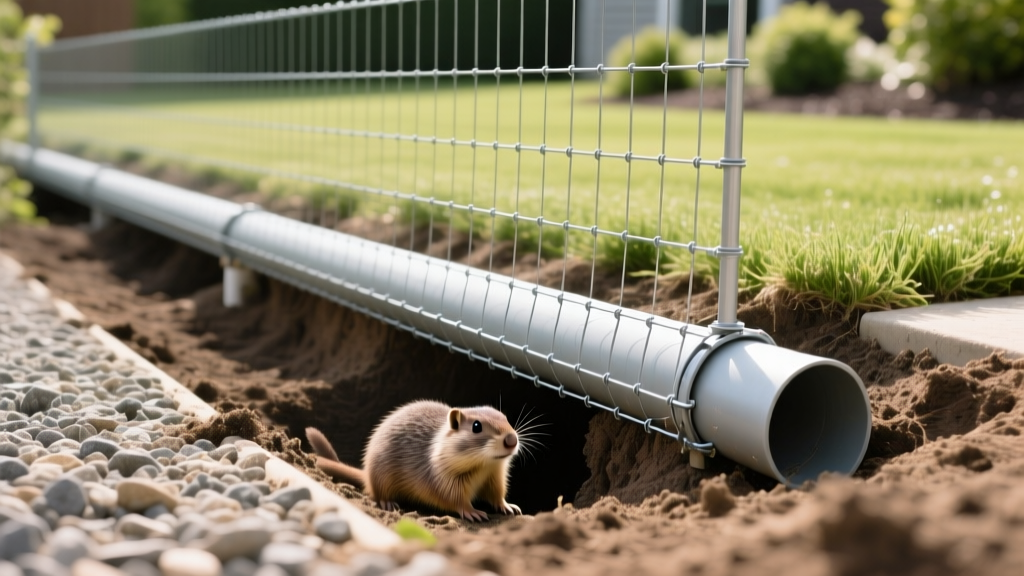
Groundhog Exclusion: L-Footer Fences Near Drainage Pipes 2026
Emily WatsonPublished
The Intersection of Groundhog Behavior and Landscape Drainage
For homeowners investing in comprehensive yard grading and subsurface water management, few things are as frustrating as watching a groundhog (*Marmota monax*) systematically destroy the landscape. Groundhogs are prolific diggers, capable of moving massive amounts of soil to create extensive burrow systems. In 2026, as extreme weather patterns lead to heavier spring rains, more homeowners are installing French drains, catch basins, and corrugated landscape drainage pipes to protect their foundations and lawns. Ironically, these very drainage systems create the perfect environment for groundhogs.
Why do groundhogs target landscape drainage pipes? The answer lies in soil composition and moisture. Drainage trenches are backfilled with loose gravel, washed river rock, and aerated soil, making it incredibly easy for a groundhog to dig. Furthermore, the pipes themselves provide a pre-formed, sheltered tunnel that stays relatively dry while channeling moisture to the surrounding soil, which promotes the growth of the tender vegetation groundhogs love to eat. When a groundhog decides to excavate a burrow entrance directly adjacent to or beneath your PVC or corrugated drainage pipe, it can lead to pipe collapse, soil subsidence, and severe yard flooding. Implementing a physical exclusion method, specifically an L-footer wire fence buried barrier, is the most effective Integrated Pest Management (IPM) strategy to protect both your lawn and your drainage infrastructure.
Understanding the L-Footer Buried Barrier Concept
Standard vertical fencing is entirely useless against groundhogs. These resilient rodents are not only powerful diggers but also surprisingly adept climbers. A standard fence will simply prompt the groundhog to dig underneath it. The L-footer design solves this by utilizing the animal's natural digging instincts against it.
An L-footer consists of a vertical wire mesh fence that extends above ground, combined with a horizontal "apron" of the same wire mesh that extends outward, away from the protected area, just below the soil surface. When a groundhog encounters the vertical fence and begins to dig at the base, it immediately hits the horizontal wire apron. Because groundhogs typically do not know how to back up a few feet and start digging behind the barrier, they eventually give up and move on. According to wildlife management experts at Penn State Extension, properly installed L-footer barriers are the gold standard for humane, long-term groundhog exclusion without the need for lethal trapping or toxic baits.
Step-by-Step Installation Guide for 2026
Installing an L-footer around a yard that contains subsurface landscape drainage pipes requires careful planning. You must secure the perimeter without puncturing your drainage lines or impeding the flow of water into your French drains. Here is the definitive 2026 installation protocol.
Step 1: Mapping Your Subsurface Drainage
Before breaking ground, you must know exactly where your drainage pipes are located. Use a modern 2026 electronic pipe locator or carefully probe the soil with a fiberglass rod to map the trajectory of your corrugated pipes and French drain gravel trenches. Mark these lines with landscaping paint. Your L-footer trench must be positioned at least 12 inches away from the edge of any gravel drainage bed to prevent soil collapse into the drain.
Step 2: Selecting and Preparing the Wire Mesh
For groundhog exclusion, chicken wire is insufficient; their sharp teeth and claws can easily compromise it. You must use 14-gauge or 16-gauge galvanized welded wire mesh with 1-inch by 1-inch or 2-inch by 2-inch openings. Purchase a roll that is at least 4 feet wide. You will use 3 feet for the vertical fence and 1 foot for the horizontal underground L-footer apron.
Step 3: Trenching Without Damaging Pipes
Dig a narrow trench approximately 12 inches deep and 2 inches wide along your marked perimeter. When your trench intersects or runs parallel to a landscape drainage pipe, you must adjust your depth. If the pipe is shallow (less than 14 inches deep), route your L-footer trench *outside* the pipe's gravel bed. Never place the horizontal wire apron directly on top of a perforated drainage pipe, as this will block surface water from percolating down into the pipe and defeat the purpose of your drainage system.
Step 4: Forming and Securing the L-Footer
Bend the bottom 12 inches of your wire mesh at a strict 90-degree angle so it forms an "L" shape. Place the mesh into the trench with the horizontal apron facing *outward*, away from the garden or lawn you are protecting. The top 3 feet of the mesh will remain above ground to serve as your vertical fence. Secure the vertical mesh to steel T-posts or treated wooden stakes driven deeply into the ground, ensuring the bottom edge is tight against the earth.
Step 5: Backfilling for Optimal Water Percolation
Cover the horizontal underground apron with 6 inches of soil. To ensure that your landscape drainage remains functional, do not pack the soil tightly over the apron. Instead, use a mix of native soil and coarse sand, and top it with a layer of mulch or decorative river rock. This allows rainwater to pass through the wire mesh and percolate down toward your subsurface drainage pipes while keeping the groundhog out.
2026 Material Specifications and Cost Breakdown
Budgeting for an L-footer exclusion project requires an understanding of current material costs. The table below outlines the estimated 2026 pricing for materials commonly used in groundhog exclusion near drainage systems.
| Material Component | Specification / Gauge | Estimated 2026 Cost (Per Linear Foot) | Drainage Compatibility |
|---|---|---|---|
| Galvanized Welded Wire | 14-Gauge, 1x1 inch mesh | $3.50 - $4.25 | High (Allows water percolation) |
| PVC-Coated Welded Wire | 16-Gauge, 2x2 inch mesh | $4.50 - $5.50 | High (Resists corrosion in wet soil) |
| Steel T-Posts (6 ft) | 1.25 lb/ft, heavy-duty | $8.00 - $11.00 (per post) | N/A (Place away from pipe trenches) |
| Coarse Sand Backfill | Washed utility sand | $0.75 - $1.20 | Excellent (Promotes drainage flow) |
Note: Prices reflect national averages for the 2026 landscaping season and may vary based on regional supply chain factors and local hardware distributors.
Common Mistakes to Avoid Near French Drains and Catch Basins
When integrating pest exclusion with water management, homeowners frequently make errors that compromise one system while trying to protect the other. Avoid these critical mistakes:
- Burying the Apron Too Deep: Burying the L-footer apron deeper than 12 inches is unnecessary for groundhogs and drastically increases the risk of striking and cracking shallow PVC drainage pipes or corrugated flexible tubing.
- Using Solid Barriers Underground: Never use solid plastic sheeting or landscape fabric as the underground apron. While it might stop a groundhog, it will create an impermeable dam that traps surface water, leading to localized flooding and soil erosion.
- Ignoring Catch Basin Grates: Groundhogs will attempt to use the open grates of landscape catch basins as entry points to the pipe system itself. Ensure all catch basins are fitted with heavy-duty, bolted-down steel grates with openings no larger than 2 inches.
- Leaving Gaps at Gate Crossings: Where your fence crosses a driveway or a French drain outflow pop-up emitter, use a custom-cut piece of heavy-gauge hardware cloth buried flush with the ground to seal the gap without blocking the water outflow.
Integrating Exclusion into Your Broader IPM Strategy
Physical exclusion is the cornerstone of Integrated Pest Management (IPM), but it should be paired with habitat modification to ensure long-term success. The Humane Society of the United States emphasizes that removing attractants is just as vital as building a fence. Groundhogs are drawn to yards that offer abundant food sources and dense cover.
To support your L-footer barrier, maintain a 3-foot clear perimeter on the outside of the fence. Keep grass mowed short and remove thick brush piles, woodpiles, and dense groundcover where groundhogs might hide before attempting to dig. Additionally, harvest garden vegetables promptly and use raised beds with wire mesh bottoms to protect root systems. By combining a properly engineered L-footer fence that respects your landscape drainage pipes with rigorous habitat modification, you can maintain a pristine, dry, and groundhog-free lawn well into the future.