Pest Control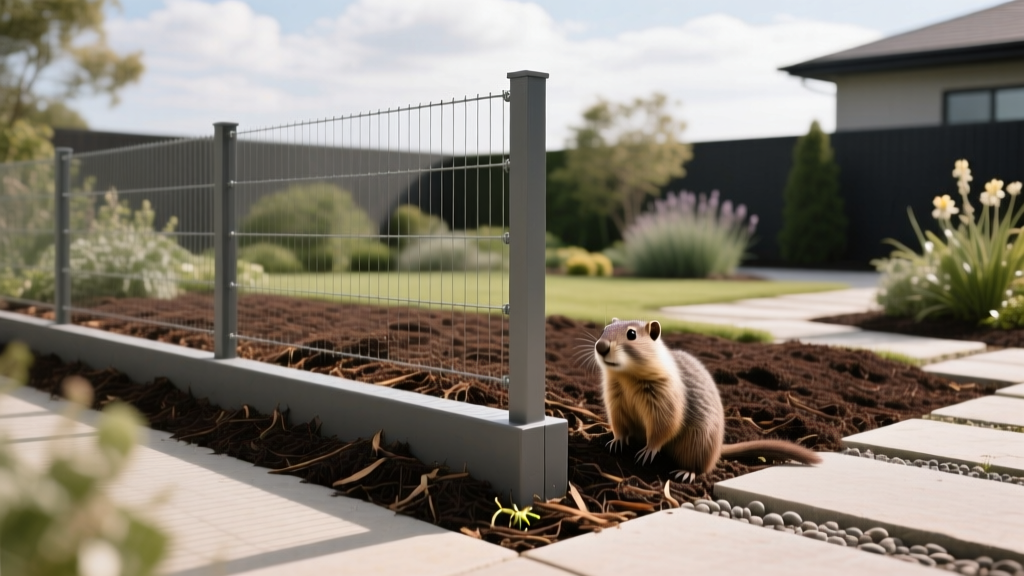
Groundhog L-Footer Fencing & Mulch Barrier Guide 2026
Mike RodriguezPublished
The Groundhog Threat in 2026: Why Standard Fences Fail
Groundhogs (Marmota monax), also known as woodchucks, are formidable opponents for any home gardener. As we navigate the 2026 growing season, shifting climate patterns and extended foraging windows have made robust exclusion strategies more critical than ever. A standard vertical fence is virtually useless against a creature that can excavate up to 35 cubic feet of soil to create its burrow. According to the USDA APHIS Wildlife Services, groundhogs cause significant residential and agricultural damage annually, necessitating advanced Integrated Pest Management (IPM) approaches that combine physical barriers with strategic landscaping.
The Mechanics of an L-Footer Wire Fence
The gold standard for groundhog exclusion is the L-footer wire fence. This method utilizes 19-gauge galvanized hardware cloth with a 1x1 inch or 2x2 inch mesh. The fence extends at least 3 feet above ground to deter climbing, but the real engineering happens below the surface. The wire is buried 1 foot deep and then bent outward at a 90-degree angle for an additional 12 inches, creating an 'L' shape that points away from the protected garden. When a groundhog digs at the base of the fence, it encounters the buried horizontal wire apron and lacks the cognitive ability to back up and dig underneath it.
The Mulch-Fence Interface: A Critical 2026 Perspective
While most pest control guides stop at the wire installation, professional landscapers know that the surrounding soil and mulch materials dictate the long-term success of the barrier. From a mulching methods and materials perspective, the trenching required for an L-footer disrupts soil structure and creates a vulnerability zone. If backfilled and mulched improperly, you risk creating a 'mulch bridge' that allows groundhogs to bypass the fence entirely, or you might accelerate the corrosion of your galvanized wire through prolonged moisture retention.
The Danger of Mulch Bridges
Piling organic mulch high against the vertical portion of your fence creates a ramp. Groundhogs are surprisingly agile climbers when motivated by ripe garden vegetables. If your cedar or pine bark mulch settles and builds up within 6 inches of the top of your 3-foot fence, you have effectively reduced your barrier's height. In 2026, modern IPM standards dictate maintaining a strict clear zone at the top of the fence while using heavy, low-profile mulches at the base to deter digging.
Erosion Control and Trench Stabilization
The trench dug for the L-footer is prone to washing out during heavy spring rains. Using the correct mulch materials to stabilize the backfill is essential. Lightweight mulches like straw or pine needles will wash away, exposing the horizontal wire apron and allowing groundhogs to spot the gap. Heavy, interlocking mulch materials are required to lock the soil in place and maintain the integrity of the buried barrier.
Comparison Chart: Best Mulch Materials for L-Footer Integration
Choosing the right mulch to cover your buried L-footer trench is vital. Below is a 2026 comparison of the most effective materials for groundhog exclusion and trench stabilization.
| Mulch Material | Deterrence Factor | Moisture & Rust Risk | 2026 Est. Cost (Per Cu Ft) | Best Application |
|---|---|---|---|---|
| Crushed Gravel (1/2 inch) | Excellent (Physical barrier) | Low (Drains quickly) | $3.50 - $4.50 | Directly over the buried L-footer apron |
| Cedar Bark Chips | Good (Olfactory deterrent) | Moderate (Retains moisture) | $4.50 - $5.50 | Aesthetic top layer over gravel buffer |
| Pine Bark Nuggets | Fair (Can be moved easily) | High (Traps water, acidic) | $3.00 - $4.00 | Away from the immediate fence line |
| Rubber Mulch (Recycled) | Good (Heavy, hard to dig) | Low (Does not retain water) | $6.00 - $8.00 | Long-term permanent trench cover |
Step-by-Step Installation and Mulching Method
To properly integrate your mulch with the L-footer fence, follow this specialized installation sequence designed for the 2026 gardening season:
- Trenching: Dig a trench 12 inches deep and 12 inches wide along your proposed fence line.
- Wire Bending: Use a 2x4 piece of lumber to bend the bottom 12 inches of your 19-gauge galvanized hardware cloth at a strict 90-degree angle outward.
- Placement & Securing: Place the wire in the trench. The vertical section should stand 3 feet high. Secure the above-ground portion to wooden posts or steel T-posts using heavy-duty zip ties or galvanized staples.
- The Gravel Lock: Before adding soil or organic mulch, fill the trench directly over the horizontal wire apron with 3 to 4 inches of 1/2-inch crushed gravel. This creates a physical digging deterrent and prevents soil from washing out from under the wire.
- Soil Backfill: Cover the gravel with the native soil you removed during trenching, tamping it down firmly to eliminate air pockets.
- The Aesthetic Mulch Layer: Apply a 2-inch layer of cedar bark chips over the backfilled soil. Cedar contains natural oils (thujone) that many rodents find irritating to their sensitive nasal passages, providing a secondary olfactory deterrent. Ensure the mulch does not touch the vertical wire higher than 2 inches above the soil line to prevent a 'mulch bridge'.
Advanced Mulching Techniques for Trench Backfill
For gardens with severe groundhog pressure, consider the 'Moat Method'. This involves leaving a 6-inch wide strip of bare crushed gravel directly against the vertical fence line, free of any organic mulch. Groundhogs prefer to dig in soft, loose soil or under the cover of thick mulch. By exposing a harsh, uncomfortable gravel strip right at the base of the fence, you remove the tactile comfort they seek when attempting to initiate a dig. You can then apply your aesthetically pleasing cedar or hardwood mulch starting 6 inches away from the fence, creating a beautiful garden bed that remains highly fortified.
Common Mulching Mistakes That Compromise Exclusion
- Volcano Mulching: Piling mulch in a volcano shape against the fence or nearby trees creates a ramp. Groundhogs will use this elevated terrain to launch themselves over or dig under the barrier.
- Using Straw or Hay: Never use straw near an L-footer. According to wildlife management experts featured on the Humane Society guidelines, loose straw provides excellent nesting material and thermal cover, actively encouraging groundhogs to investigate the fence line.
- Ignoring Decomposition: Organic mulches break down over time, adding to the soil volume. If you add 3 inches of mulch every spring without removing the old layer, you will eventually raise the soil level high enough to render your 3-foot fence ineffective. Rake and remove excess decomposed mulch annually.
Maintenance and Monitoring in 2026
Even the best L-footer and mulch combination requires seasonal maintenance. In early spring, before the ground thaws completely, walk your fence line. Check for areas where frost heave may have pushed the horizontal wire apron upward. If you find exposed wire, immediately re-bury it and cover it with your crushed gravel and cedar mulch mixture. Additionally, inspect the galvanized coating on your hardware cloth. If you used highly acidic mulches like pine needles directly against the wire in previous years, you may notice premature rusting. Switch to a neutral pH mulch or rely on the gravel buffer method to extend the lifespan of your fence well into the next decade.
'Successful groundhog exclusion is not just about the wire you put in the ground; it is about how you manage the soil and mulch environment immediately surrounding that wire. A barrier is only as strong as its weakest mulch bridge.' — 2026 Integrated Pest Management Landscaping Guidelines
By treating your mulch as an active component of your pest control strategy rather than a mere cosmetic afterthought, you ensure that your garden remains a sanctuary for your plants, not a buffet for local woodchucks. Properly installed L-footer fencing, combined with strategic gravel buffers and cedar top-dressing, provides a 100% organic, highly effective, and aesthetically pleasing solution for the modern homeowner.