Pest Control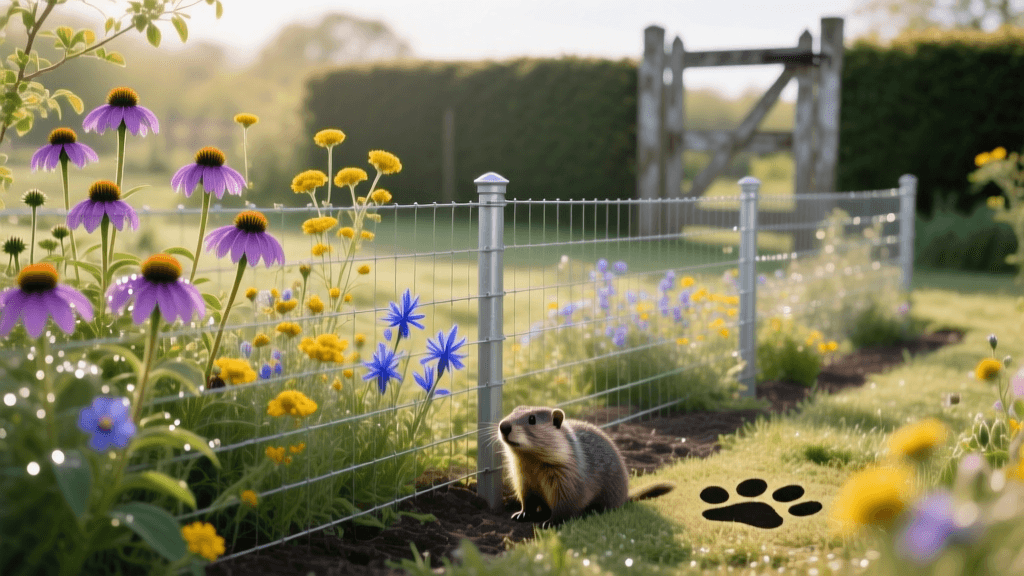
Pollinator-Safe Groundhog Exclusion: 2026 L-Footer Fence Guide
The Rise of the Pollinator-First Garden in 2026
As we navigate the 2026 gardening season, the shift toward regenerative, pollinator-first landscaping has fundamentally changed how we approach yard care. Homeowners are increasingly prioritizing native flora, undisturbed soil habitats, and organic practices to support declining bee and butterfly populations. However, creating a lush, biodiverse oasis often invites unwanted guests. The groundhog (Marmota monax), also known as the woodchuck, is notorious for decimating the very plants that form the backbone of a thriving pollinator garden. Clover, alfalfa, native legumes, and tender perennial shoots are irresistible to these robust foragers. For the eco-conscious gardener, the challenge lies in excluding these large rodents without resorting to methods that compromise the delicate ecosystem you have worked so hard to build.
The Hidden Dangers of Chemical Repellents in Pollinator Spaces
When faced with a groundhog invasion, many gardeners instinctively reach for chemical repellents, spicy capsaicin sprays, or systemic granular deterrents. While these may offer temporary relief, they are fundamentally incompatible with pollinator-friendly garden design. Capsaicin and essential oil-based sprays can deter or harm beneficial insects, including native bees and butterflies, that land on treated foliage. Furthermore, granular repellents and toxic baits can leach into the soil, disrupting the complex mycorrhizal fungal networks and soil microbiomes that native plants rely on for nutrient uptake.
Perhaps most critically, chemical barriers do nothing to protect the physical structure of your garden's soil. According to The Xerces Society for Invertebrate Conservation, maintaining untreated, undisturbed soil patches is critical for the 70% of native bee species that nest underground. A groundhog's extensive burrowing system will collapse the nesting tunnels of squash bees, bumblebees, and mining bees, causing irreversible damage to your local pollinator population. This is where physical exclusion—specifically the L-footer wire fence—becomes the ultimate, eco-friendly solution.
Understanding the L-Footer Buried Barrier
The L-footer is a specialized fencing technique designed to outsmart the natural digging instincts of burrowing mammals. Groundhogs are exceptional excavators, capable of moving massive amounts of soil to create multi-chambered burrows. If they encounter a standard vertical fence, their instinct is to dig directly at the base to tunnel underneath.
An L-footer solves this by incorporating a horizontal wire apron that extends outward, away from the protected area, just below the soil surface. When a groundhog attempts to dig at the fence line, it encounters the buried wire mesh. Because rodents do not possess the cognitive ability to back up a few feet and start digging behind the barrier, they eventually give up and move on. This method is highly recommended by wildlife experts, including The Humane Society of the United States, as a permanent, humane, and non-toxic exclusion strategy that requires zero chemical intervention.
Step-by-Step Installation for Pollinator Gardens
Installing an L-footer requires careful planning to ensure it protects your plants while minimizing disruption to existing pollinator habitats. Here is the 2026 best-practice guide for installation:
1. Timing Your Installation
To avoid disturbing ground-nesting bees and early-emerging butterflies, schedule your trenching and fence installation for late fall after the first frost, or very early spring before native pollinators break dormancy. Avoid digging extensive trenches in mid-summer when ground-nesting bee activity is at its peak.
2. Selecting the Right Wire Mesh
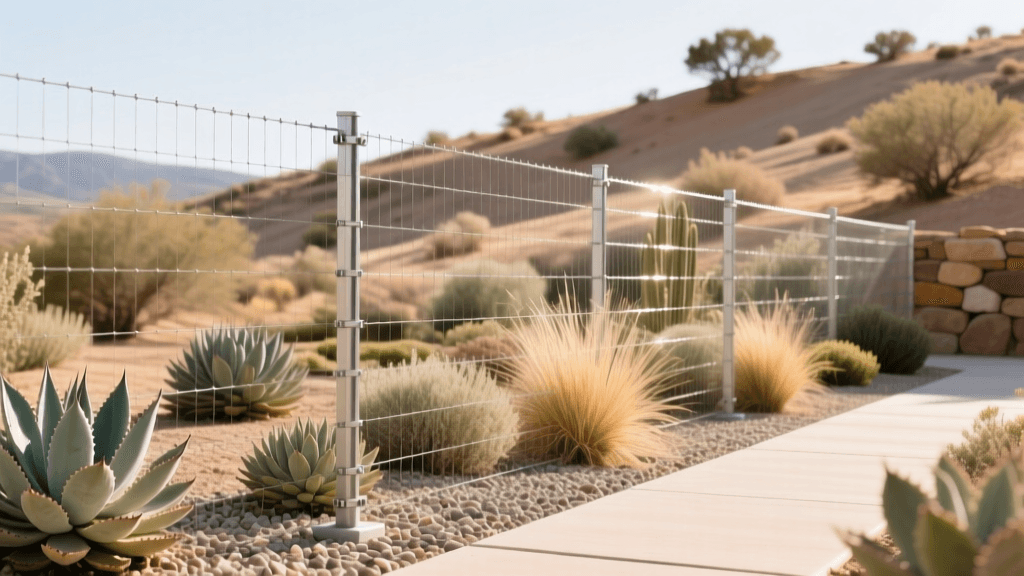
Do not use plastic netting or flimsy poultry netting. Groundhogs will easily chew through plastic, and loose netting poses a severe entanglement hazard for birds and large pollinators like swallowtail butterflies. Instead, opt for 14-gauge or 16-gauge galvanized steel hardware cloth with a 1-inch or 1/2-inch mesh. This provides an impenetrable barrier that will not degrade or harm wildlife.
3. Digging the Trench and Creating the 'L'
Dig a narrow trench approximately 12 to 18 inches deep along the perimeter of your garden. Before placing the wire in the trench, bend the bottom 12 inches of your hardware cloth at a strict 90-degree angle to form the 'L' shape. The bent portion must point away from the garden interior. When buried, the vertical section should extend 36 to 48 inches above ground to prevent climbing, while the horizontal apron rests 6 to 12 inches below the soil surface, extending outward.
4. Securing the Perimeter
Anchor the vertical portion of the fence to sturdy wooden or metal T-posts using heavy-duty galvanized staples or zip ties. Ensure the bottom horizontal apron is covered with soil and tamped down firmly. You can further camouflage the outward-facing apron by covering it with a layer of native leaf litter or mulch, which provides excellent overwintering habitat for beneficial insects like ladybugs and lacewings.
Material Comparison Chart for Groundhog Fencing
Choosing the correct materials is vital for both groundhog exclusion and pollinator safety. Below is a comparison of common fencing materials evaluated for 2026 garden use:
| Material Type | Mesh Size | Groundhog Resistance | Pollinator & Wildlife Safety | Longevity |
|---|---|---|---|---|
| 14-Gauge Galvanized Hardware Cloth | 1/2 inch | Excellent (Impenetrable) | High (Rigid, no entanglement risk) | 15-20+ Years |
| 16-Gauge Galvanized Hardware Cloth | 1 inch | Very Good | High (Allows small insect movement) | 10-15 Years |
| PVC-Coated Welded Wire | 1x2 inch | Good (If heavy gauge) | Moderate (Larger gaps may trap insects) | 10-15 Years |
| Standard Chicken Wire (Poultry Netting) | 1 inch hex | Poor (Easily chewed/bent) | Low (High entanglement/snag risk) | 2-4 Years |
| Extruded Plastic Bird Netting | Varies | None (Easily destroyed) | Very Low (Severe entanglement hazard) | 1-2 Years |
Aesthetic Integration: Hiding the Fence with Native Flora
A common complaint among landscape designers is that wire fencing disrupts the visual harmony of a naturalistic pollinator garden. Fortunately, the L-footer design lends itself beautifully to vertical planting strategies. Because the horizontal apron extends outward away from the garden, the interior soil remains completely undisturbed and safe for deep-rooted native perennials.
To soften the appearance of the vertical wire, plant native climbing vines or tall, dense grasses on the interior side of the fence, leaving a few inches of clearance to prevent rot. Species like Virgin's Bower (Clematis virginiana) or native honeysuckles can be trained along the fence line, providing crucial nectar sources and host plants for moths and butterflies. Penn State Extension notes that woodchucks are highly opportunistic; by planting a 'buffer zone' of less desirable, tough native grasses like Switchgrass (Panicum virgatum) near the fence line, you further discourage them from investigating the barrier.
Creating a 'Wild Border' Outside the Fence
True pollinator-friendly garden design embraces the surrounding ecosystem rather than fighting it. To reduce the pressure on your L-footer fence, consider establishing a 'wild border' on the exterior side of the horizontal apron. Planting groundhog-preferred forage—such as wild alfalfa, red clover, and dandelions—outside the protected zone provides the rodents with an easy, accessible food source. When groundhogs find ample forage outside your fence, their motivation to attempt a breach drops significantly. This dual approach of physical exclusion and habitat redirection ensures that your garden remains a sanctuary for pollinators while coexisting peacefully with local wildlife.
Conclusion
Protecting your pollinator garden from groundhogs in 2026 does not require compromising your environmental values. By investing the time to install a properly engineered L-footer wire fence buried barrier, you create a permanent, chemical-free fortress that safeguards your native plants, preserves critical ground-nesting bee habitats, and humanely redirects woodchucks elsewhere. It is a testament to the fact that the most effective pest control strategies are those that work in harmony with nature, rather than against it.