Gardening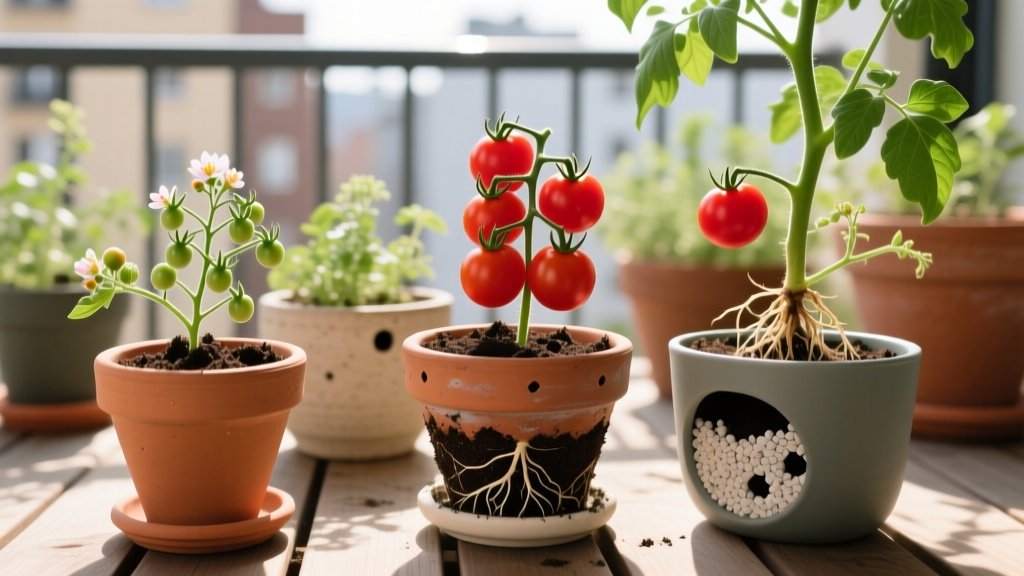
A Beginner Guide to Growing Cherry Tomatoes in Containers
Mike RodriguezPublished
The Gateway to Gardening: Cherry Tomatoes in Containers
Gardening often feels intimidating to newcomers, but growing cherry tomatoes in containers is the perfect gateway into horticulture. Unlike their larger beefsteak cousins, cherry tomatoes are prolific, forgiving, and thrive in confined spaces. Whether you have a sprawling backyard or a modest apartment balcony, this beginner-friendly guide will walk you through every step of cultivating a bountiful harvest. By the end of this article, you will understand container sizing, soil formulation, variety selection, and ongoing maintenance, ensuring your first tomato season is a resounding success.
Why Choose Container Gardening?
Container gardening offers unparalleled control over your growing environment. You dictate the soil quality, moisture levels, and sun exposure simply by moving the pot. This mobility is crucial for tomatoes, which require a minimum of six to eight hours of direct sunlight daily. Furthermore, growing in pots elevates the plants away from many soil-borne pathogens and ground-dwelling pests, drastically reducing the need for chemical interventions and making organic growing much more manageable for beginners.
Step 1: Selecting the Ideal Container
The foundation of a healthy container tomato is the pot itself. While it might be tempting to reuse a small decorative planter, tomatoes possess vigorous root systems that demand ample space. For determinate (bush) varieties, a minimum of a 5-gallon container is required. For indeterminate (vining) varieties, you must use a 10-gallon to 15-gallon container.
Fabric grow bags, such as those made by the brand 'Smart Pot', are highly recommended for beginners. Priced between $8 and $15, these breathable containers promote air-pruning of the roots, preventing the plants from becoming root-bound and improving overall drainage. If you prefer rigid pots, opt for UV-resistant plastic or thick terracotta. Ensure that any container you choose has at least four to six drainage holes at the base; without them, your tomatoes will quickly succumb to root rot.
Step 2: Formulating the Perfect Potting Mix
Never use native garden soil or topsoil for container gardening. Garden soil is too dense, compacts easily in pots, and restricts oxygen flow to the roots. Instead, invest in a high-quality, well-draining potting mix. You can purchase a premium organic blend like 'FoxFarm Ocean Forest' or 'Miracle-Gro Performance Organics', which typically cost around $15 to $25 per 1.5-cubic-foot bag.
Alternatively, you can mix your own. A proven, cost-effective recipe for container tomatoes includes the following ingredients:
- 40 percent high-quality peat-based or coco coir potting soil
- 30 percent organic compost for slow-release nutrients
- 20 percent coarse perlite for essential aeration and drainage
- 10 percent worm castings for beneficial microbial life
Blend these thoroughly before filling your container, leaving about two inches of space from the rim to allow for watering and mulching.
Step 3: Choosing the Best Varieties
Selecting the right seed or transplant is critical. Tomatoes are broadly categorized into two growth habits: determinate and indeterminate. Determinate varieties grow to a fixed height, produce their fruit all at once, and require minimal staking. Indeterminate varieties continue to grow and produce fruit until the first frost, often reaching heights of six feet or more, necessitating robust support structures. For beginners utilizing smaller spaces, determinate or dwarf varieties are generally the most manageable.
Top Cherry Tomato Varieties for Containers
| Variety | Growth Habit | Days to Maturity | Fruit Size | Best Container Size |
|---|---|---|---|---|
| Tiny Tim | Determinate | 45-50 Days | 3/4 inch | 3-5 Gallons |
| Patio Princess | Determinate | 55-60 Days | 1 inch | 5-7 Gallons |
| Sweet 100 | Indeterminate | 65-70 Days | 1 inch | 10-15 Gallons |
| Tumbling Tom | Determinate | 60-70 Days | 1 inch | 3-5 Gallons (Hanging) |
Step 4: Planting Your Tomatoes
When transplanting your nursery-bought seedlings or home-started plants, timing is everything. Wait until two weeks after your region's last expected spring frost date, and ensure nighttime temperatures consistently stay above 50 degrees Fahrenheit. Tomatoes have a unique ability to grow adventitious roots from their buried stems. To build a massive, resilient root system, pinch off the bottom two sets of leaves and bury the stem deeply, leaving only the top cluster of foliage above the soil line. Water the plant immediately with a gentle application of liquid kelp or fish emulsion to minimize transplant shock.
Step 5: Watering and Fertilizing
Consistent moisture is the secret to preventing cracked skins and blossom end rot. Containers dry out much faster than in-ground gardens. During the heat of summer, you may need to water your tomatoes daily. The goal is to provide one to two inches of water per week. Always water at the base of the plant, keeping the foliage dry to prevent fungal diseases like early blight.
As for nutrition, tomatoes are heavy feeders. Mix a slow-release granular fertilizer, such as 'Espoma Organic Tomato-tone' (3-4-6 NPK), into the soil at planting time according to the package directions. Once the first yellow flowers appear, supplement with a liquid tomato fertilizer every two weeks to support robust fruit development.
Step 6: Providing Support and Pruning
Even compact determinate varieties benefit from support. Insert a sturdy 3-foot bamboo stake or a small wire tomato cage into the pot at the time of planting to avoid damaging the roots later. Secure the main stem to the stake using soft garden twine or velcro plant ties, tying them loosely in a figure-eight pattern.
If you are growing indeterminate varieties, you must prune the 'suckers'—the small shoots that grow in the V-shaped crotch between the main stem and the branches. Pinching these off directs the plant's energy into fruit production rather than excessive foliage, improving air circulation and reducing disease risk.
Troubleshooting Common Issues
Even with the best care, beginners may encounter a few hurdles. Here is how to identify and solve the most common container tomato problems:
- Blossom End Rot: Characterized by a dark, sunken, leathery patch on the bottom of the fruit. This is not a disease, but a physiological disorder caused by a calcium deficiency, which is almost always triggered by inconsistent watering. Maintain a strict watering schedule and apply a two-inch layer of organic mulch, such as straw, to retain moisture.
- Aphids: Small, sap-sucking insects that cluster on new growth. Treat infestations with a ready-to-use neem oil spray applied in the early evening to avoid harming beneficial pollinators like bees.
- Tomato Hornworms: Large green caterpillars that can defoliate a plant overnight. Inspect your plants daily, handpick the hornworms, and drop them in a bucket of soapy water.
Expert Insights and Authoritative Guidance
'Tomatoes grown in containers require vigilant monitoring of soil moisture and nutrient levels, as the limited soil volume acts as a buffer against neither drought nor heavy feeding. Selecting compact, disease-resistant cultivars is the single most effective strategy for urban and patio gardeners seeking reliable yields.'
— University of Minnesota Extension, Home Vegetable Gardening Guidelines
By following these evidence-based practices from leading agricultural extensions, you bypass the most common pitfalls of novice gardeners and set the stage for a vibrant, delicious harvest.
Conclusion
Growing cherry tomatoes in containers bridges the gap between ornamental patio decor and functional food production. With the right 10-gallon fabric pot, a well-aerated soil mix, and a reliable watering routine, you will be harvesting handfuls of sweet, sun-ripened tomatoes all summer long. Start small, observe your plants daily, and enjoy the unmatched flavor of a tomato you grew yourself.
