Home & Garden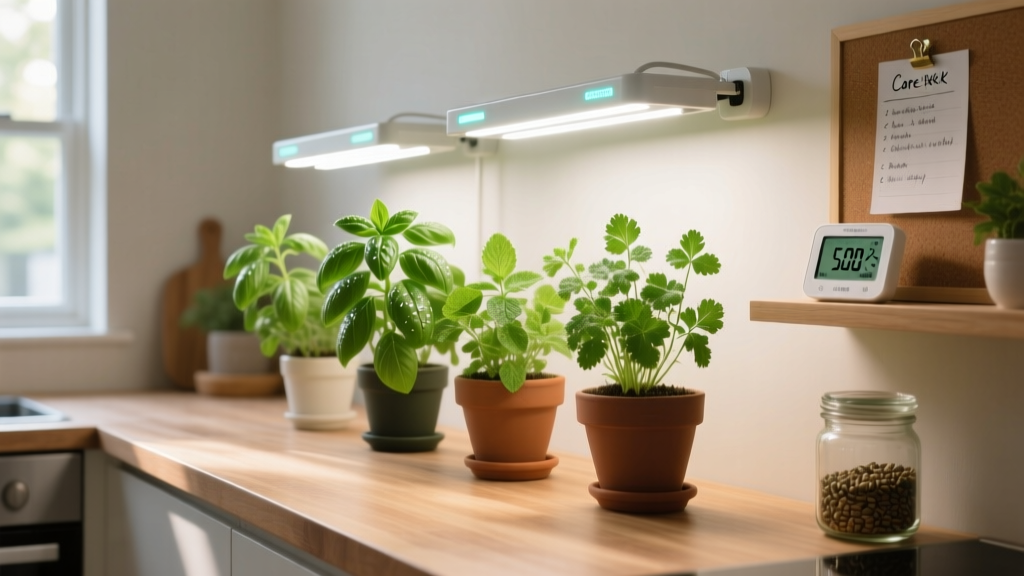
Beginner Guide: Growing Culinary Herbs Indoors with Smart LED Lights
Emily WatsonPublished
Bridging the Gap: Indoor Gardening Meets Smart Home Tech
For home cooks and gardening enthusiasts, the transition from outdoor seasonal gardening to year-round indoor cultivation is a game-changer. Bridging the gap between indoor living and garden-to-table cooking has never been easier, thanks to the integration of smart home technology and energy-efficient LED lighting. If you have ever wanted to step into your kitchen and snip fresh basil for a homemade pizza or harvest mint for your evening tea, this beginner-friendly growing guide will walk you through setting up a highly efficient, automated indoor herb garden.
Why Bring the Garden Indoors?
Growing culinary herbs indoors offers several distinct advantages over traditional outdoor beds. First, it eliminates the threat of unpredictable weather, seasonal frost, and many common outdoor pests like aphids and Japanese beetles. Second, indoor gardening places your crops exactly where you need them: steps away from your cutting board. Finally, by utilizing smart home integration, you can automate the most tedious aspects of plant care, such as lighting schedules, ensuring your herbs receive the exact amount of energy they need to produce robust essential oils and vibrant flavors without requiring constant manual oversight.
Understanding Smart LED Grow Lights
Not all light bulbs are created equal. Standard household LEDs do not emit the specific wavelengths of light required for photosynthesis. For indoor herbs, you need a full-spectrum LED grow light that mimics natural sunlight. Look for lights with a color temperature between 5000K and 6500K, which promotes tight, bushy vegetative growth rather than the stretching associated with flowering spectrums. A highly recommended, budget-friendly option for beginners is the GE Lighting 24W LED Grow Light Panel. It provides excellent coverage for a small countertop garden and operates silently without the need for cooling fans.
Top 3 Beginner-Friendly Herbs for Indoor Gardens
When starting your first indoor garden, it is crucial to select herbs that are forgiving, fast-growing, and highly productive. Below is a comparison chart of the three best herbs for beginners utilizing smart LED setups.
| Herb Variety | Germination (Days) | Daily Light Need | First Harvest | Difficulty Level |
|---|---|---|---|---|
| Genovese Basil | 5-10 | 14-16 Hours | 3-4 Weeks | Very Easy |
| Peppermint | 10-15 | 12-14 Hours | 4-6 Weeks | Easy |
| Common Chives | 7-14 | 12-14 Hours | 6-8 Weeks | Easy |
1. Genovese Basil
Basil is the undisputed king of the indoor herb garden. It thrives in warm conditions and responds aggressively to the high-intensity light provided by modern LED panels. Genovese basil is prized for its large, tender leaves and classic sweet-pepper flavor profile, making it perfect for pesto, caprese salads, and pasta dishes.
2. Peppermint
Mint is notoriously vigorous. While it can take over an outdoor garden bed, keeping it confined to an indoor pot makes it manageable. Peppermint requires slightly less light than basil and offers a continuous harvest of aromatic leaves for teas, cocktails, and garnishes.
3. Common Chives
Chives offer a mild onion flavor and are incredibly hardy. They grow in neat, grass-like clumps and produce beautiful purple blossoms that are also edible. They are highly tolerant of minor fluctuations in indoor humidity and temperature.
Step-by-Step Setup Guide
Step 1: Selecting Soil and Containers
Never use garden soil or topsoil for indoor containers, as it compacts easily and can introduce fungus gnats to your home. Instead, choose a high-quality, well-draining potting mix. Espoma Organic Potting Mix is an excellent choice, as it contains a blend of peat moss, perlite, and earthworm castings. Select 4-inch to 6-inch ceramic or heavy plastic pots that feature drainage holes at the bottom. Place a terracotta saucer beneath each pot to protect your countertops.
Step 2: Sowing Your Seeds
Fill your pots with the potting mix, leaving about half an inch of space at the top. Moisten the soil with a spray bottle before sowing. Plant basil seeds about 1/4 inch deep, while mint and chive seeds can be surface-sown and lightly pressed into the soil, as they require some light to trigger germination. Cover the pots with a clear plastic humidity dome to retain moisture until sprouts appear, then remove the dome immediately to prevent fungal diseases like damping off.
Step 3: Smart Home Lighting Integration
This is where technology elevates your garden. Plug your LED grow light into a smart plug, such as the TP-Link Kasa Smart Plug. Download the corresponding app on your smartphone and set an automated daily schedule. Set the light to turn on at 6:00 AM and turn off at 10:00 PM, providing a consistent 16-hour photoperiod. This automation ensures your plants receive uninterrupted light cycles even if you travel or forget to flip a switch, while also optimizing your home energy usage.
Watering, Feeding, and Maintenance
Overwatering is the leading cause of death for indoor herbs. To avoid this, utilize the bottom-watering method. Pour water into the terracotta saucer and allow the soil to wick the moisture upward through the drainage holes. This encourages deep root growth and keeps the surface of the soil dry, deterring fungus gnats. Only water when the top inch of soil feels completely dry to the touch.
Because frequent watering flushes nutrients out of the potting mix, you will need to supplement your herbs. Once the plants have developed their second set of true leaves, begin feeding them with a gentle, organic liquid fertilizer. Neptune's Harvest Organic Fish and Seaweed Blend (2-3-1) is ideal. Apply it at half the recommended label strength every two weeks to provide essential micronutrients without risking fertilizer burn.
Expert Insights on Indoor Lighting Requirements
Understanding the science of light is crucial for indoor success. It is not just about leaving a light on; it is about the total volume of light delivered over time.
According to research from Cornell University's Controlled Environment Agriculture (CEA) program, leafy greens and culinary herbs require a Daily Light Integral (DLI) of 12 to 17 moles per square meter per day to achieve optimal vegetative growth, structural integrity, and essential oil production indoors.
By utilizing a 24W full-spectrum LED panel positioned 6 to 12 inches above the plant canopy for 14 to 16 hours a day, beginner gardeners can easily achieve the DLI required by Cornell's CEA guidelines, resulting in stocky, flavorful herbs rather than weak, stretched seedlings.
Estimated Cost Breakdown for Your First Setup
Setting up a smart indoor herb garden is surprisingly affordable compared to the long-term cost of buying plastic clamshells of herbs at the grocery store. Here is a realistic cost breakdown for a beginner's countertop setup:
- GE 24W LED Grow Light Panel: $25.00
- TP-Link Kasa Smart Plug (Single): $12.00
- Espoma Organic Potting Soil (4 qt bag): $8.00
- Seed Packets (Organic Basil, Mint, Chives): $10.00
- Set of 4 Ceramic Drainage Pots with Saucers: $22.00
- Neptune's Harvest Liquid Fertilizer (16 oz): $14.00
- Total Estimated Initial Investment: $91.00
Given that a single package of fresh basil at the supermarket often costs $3.00 to $4.00 and lasts only a few days in the fridge, this indoor setup will pay for itself within a few months of regular harvesting.
Troubleshooting Common Beginner Mistakes
Leggy Seedlings
If your seedlings look tall, thin, and pale, they are experiencing etiolation, commonly known as becoming leggy. This means the light source is too far away or not intense enough. Lower your LED panel so it sits just 4 to 6 inches above the top of the foliage. As the plants grow, raise the light incrementally to maintain this optimal distance.
Overwatering and Root Rot
Yellowing leaves that drop off the lower stem are a classic sign of overwatering. If the soil feels wet and smells slightly sour, you are suffocating the roots. Allow the soil to dry out significantly between waterings, and ensure your pots have unobstructed drainage holes. If root rot sets in, the plant is usually unsalvageable, and you will need to start fresh with sterile soil.
Nutrient Deficiencies
If the older, lower leaves of your basil or mint begin to turn yellow while the new growth at the top remains green, your plant is likely experiencing a nitrogen deficiency. This is easily corrected by applying your diluted liquid fish and seaweed fertilizer during the next watering session.
Conclusion
Integrating smart home technology with indoor horticulture transforms the way we interact with our food. By following this beginner-friendly guide, selecting the right full-spectrum LED lights, and automating your lighting schedule, you can cultivate a thriving, aromatic indoor herb garden. Not only will you elevate your garden-to-table culinary creations, but you will also enjoy the psychological benefits of bringing vibrant, living greenery into your home environment year-round.
