Home & Garden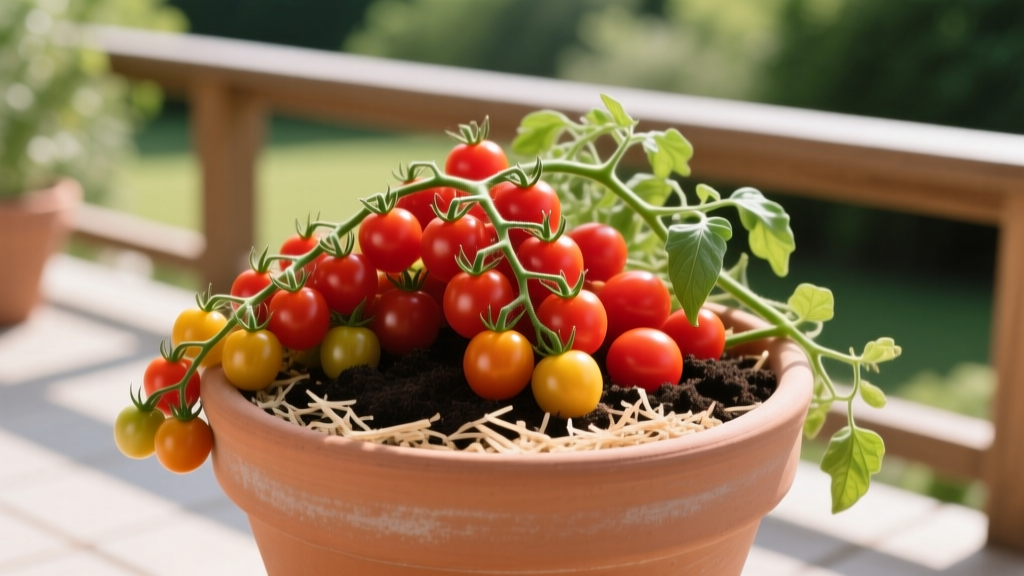
The Beginner Guide to Growing Patio Cherry Tomatoes
Emily WatsonPublished
Welcome to Garden-to-Table Living
Bridging the gap between your outdoor space and your indoor kitchen is one of the most rewarding aspects of modern home and garden care. For beginners looking to dip their toes into garden-to-table living, few crops are as forgiving, prolific, and satisfying as the cherry tomato. Whether you have a sprawling backyard, a modest urban balcony, or just a sunny patio, container-grown cherry tomatoes offer a massive harvest in a compact footprint. This comprehensive, beginner-friendly guide will walk you through every step of the process, from selecting the right gear to harvesting your first sweet, sun-warmed fruit.
Why Cherry Tomatoes Are Perfect for Beginners
Unlike large heirloom beefsteak tomatoes, which can be prone to cracking, blossom end rot, and long maturation periods, cherry tomatoes are incredibly resilient. They mature quickly, often producing ripe fruit within 50 to 65 days of transplanting. Furthermore, they are prolific producers; a single healthy plant can yield hundreds of tomatoes over a growing season. According to the University of Minnesota Extension, cherry and grape tomatoes are generally more disease-resistant and require less intensive pruning than their larger counterparts, making them the ideal entry point for novice gardeners.
Essential Supplies and Estimated Costs
Starting a container tomato garden does not require a massive financial investment. Here is a breakdown of the essential supplies you will need, along with estimated costs to help you budget your first garden-to-table project:
- 5-Gallon Fabric Grow Bag: $10 - $15. Fabric pots promote air pruning and prevent root circling.
- Premium Potting Mix: $12 - $18. Look for a well-draining mix containing peat moss or coco coir, perlite, and compost.
- Slow-Release Fertilizer: $8 - $12. A balanced organic fertilizer like Espoma Tomato-tone is ideal.
- Tomato Cage or Trellis: $5 - $15. Essential for supporting the plant as it grows upward.
- Transplants or Seeds: $3 - $5. Beginners should start with nursery transplants to save 6-8 weeks of indoor seed starting.
- Straw Mulch: $4 - $6. A small bale will help retain moisture and prevent soil-borne diseases.
Total estimated startup cost ranges from $42 to $71, yielding pounds of fresh produce over the summer.
Choosing the Best Container
The most common mistake beginners make is choosing a pot that is too small. Tomatoes have extensive root systems that require ample space to access water and nutrients. A minimum container size of 5 gallons is required, but a 7- to 10-gallon container is highly recommended for indeterminate varieties. Ensure your container has adequate drainage holes at the bottom. If you are using a decorative ceramic or plastic pot without holes, you must drill them yourself; otherwise, your tomato roots will sit in stagnant water and succumb to root rot. Fabric grow bags are highly recommended because they are lightweight, easy to store in the off-season, and provide superior drainage and root aeration.
Top Beginner-Friendly Cherry Tomato Varieties
Selecting the right variety is crucial for success. Tomatoes are generally classified as determinate (bush-type, grows to a fixed size, and ripens fruit all at once) or indeterminate (vining, continues growing and producing fruit until the first frost). For small patios and beginners, determinate or dwarf varieties are often easiest to manage.
| Variety | Growth Habit | Days to Maturity | Flavor Profile | Best For |
|---|---|---|---|---|
| Tiny Tim | Determinate (Dwarf) | 45-50 Days | Classic, balanced | Small pots, windowsills |
| Patio Princess | Determinate | 55-60 Days | Rich, tangy | Container patios, balconies |
| Sun Gold | Indeterminate | 57-65 Days | Exceptionally sweet, tropical | Large pots with tall cages |
| Super Sweet 100 | Indeterminate | 65-70 Days | Sweet, high-yield | Trellises, garden beds |
Step-by-Step Planting Guide
1. Prepare the Soil
Never use garden soil or topsoil in containers. Ground soil is too dense, compacts easily, and will suffocate container roots. Instead, fill your 5-gallon fabric pot with a premium, well-aerated potting mix, leaving about two inches of space at the top. Mix in two tablespoons of a slow-release organic tomato fertilizer according to the package instructions.
2. Plant Deep
Tomatoes possess a unique ability to grow adventitious roots along their buried stems. When transplanting your nursery seedling, pinch off the lowest sets of leaves. Dig a deep hole in the center of your pot and bury the plant up to just below the remaining top leaves. This deep planting technique creates a massive, robust root system that will support the plant during hot summer days and high winds.
3. Water and Mulch
Water the plant thoroughly immediately after planting until water runs freely out of the bottom drainage holes. Once the soil settles, add a one-inch layer of clean straw mulch over the soil surface. Mulching is a critical step for disease prevention, as it stops soil-borne fungal spores from splashing onto the lower leaves during watering.
Ongoing Care: Water, Sun, and Fertilizer
Tomatoes are sun-worshippers. Position your containers in a location that receives a minimum of six to eight hours of direct, unfiltered sunlight daily. If you are on a shaded balcony, consider using a rolling plant caddy so you can chase the sun throughout the day.
Watering is where most beginners struggle. Container tomatoes dry out much faster than in-ground plants. During the heat of mid-summer, you may need to water your patio tomatoes every single day. The University of Florida IFAS Extension recommends the "finger test": insert your finger two inches into the soil. If it feels dry, it is time to water. Always water at the base of the plant, keeping the foliage completely dry to prevent fungal diseases like early blight and powdery mildew.
Pro Tip: Inconsistent watering is the primary cause of blossom end rot and fruit splitting. If your schedule is unpredictable, consider investing in a simple drip irrigation kit with a battery-operated timer, which can be set up for under $30 and will guarantee consistent soil moisture.
Because frequent watering leaches nutrients out of the container soil, you must replenish them. As noted by the Royal Horticultural Society (RHS), feeding container tomatoes every two weeks with a liquid seaweed extract or a specialized tomato feed high in potassium will significantly boost flower production and fruit sweetness.
Support and Pruning
Even bushy determinate varieties need support to keep heavy fruit clusters off the soil. Insert a sturdy 3-foot tomato cage or a thick bamboo stake into the container at the time of planting. Waiting until the plant is large to insert a cage will damage the delicate root system you worked so hard to establish.
For indeterminate varieties like 'Sun Gold', you will need a taller 5- to 6-foot trellis. As the main vine grows, gently tie it to the support structure using soft garden twine or velcro plant ties. Regarding pruning, beginners should focus on removing only the "suckers" (the small shoots that grow in the V-shaped crotch between the main stem and the branches) on indeterminate varieties. This directs the plant's energy into fruit production rather than excessive foliage. Determinate varieties should generally be left alone, as pruning them can drastically reduce your overall yield.
Harvesting and Garden-to-Table Pairing
Cherry tomatoes are ready to harvest when they have achieved their full, deep color (whether red, orange, or yellow) and yield slightly to a gentle squeeze. The best way to harvest is to give the fruit a gentle twist; if it is fully ripe, it will pop right off the vine. If you encounter resistance, give it another day or two on the vine.
The beauty of growing your own cherry tomatoes is the immediate transition from garden to table. Unlike store-bought tomatoes, which are bred for durability and shipped green, homegrown tomatoes develop their full complex sugars and acids on the vine. For a quick, beginner-friendly culinary reward, toss your freshly harvested, still-warm cherry tomatoes with a drizzle of high-quality extra virgin olive oil, a pinch of flaky sea salt, and some torn fresh basil leaves grown on your indoor windowsill. Serve them alongside grilled sourdough bread for the ultimate, hyper-local summer appetizer.
Troubleshooting Common Issues
- Yellowing Lower Leaves: Often a sign of nitrogen deficiency or overwatering. Check your soil moisture and apply a balanced liquid fertilizer.
- Flowers Dropping Without Fruiting: Usually caused by extreme heat (above 90°F) or lack of pollination. Gently shake the plant's main stem daily to help distribute pollen within the flowers.
- Black, Sunken Spots on the Bottom of Fruit: This is Blossom End Rot, caused by a calcium transport issue linked to uneven watering. Maintain consistent soil moisture and ensure your potting mix has adequate calcium.
By following this beginner-friendly guide, you will transform your patio into a thriving, edible oasis. Growing cherry tomatoes in containers not only beautifies your outdoor living space but also provides a continuous, delicious harvest that elevates your everyday home cooking.
