Tree Care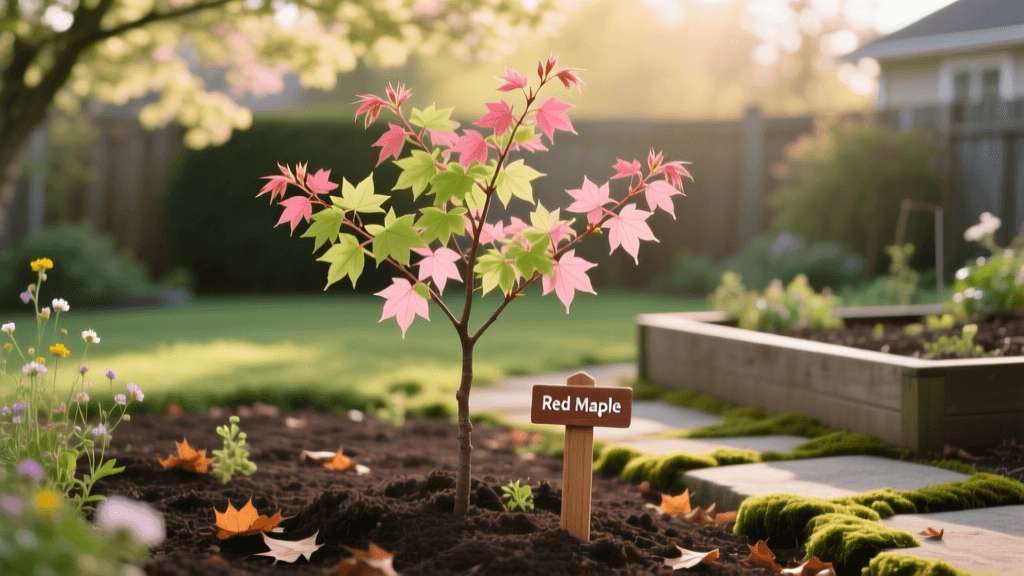
How to Plant and Grow Red Maple Trees: A Beginner Guide
Why Choose the Red Maple (Acer rubrum)?
The Red Maple (Acer rubrum) is one of the most iconic and widely planted shade trees in North America, celebrated for its spectacular, fiery red autumn foliage and rapid growth rate. For beginners looking to establish a long-lasting landscape centerpiece, the Red Maple is an exceptionally forgiving and adaptable choice. Native to the eastern and central United States, this deciduous tree thrives in USDA Hardiness Zones 3 through 9. Unlike more finicky ornamental trees, the Red Maple tolerates a wide variety of soil conditions, from wet, boggy lowlands to moderately dry upland sites. When properly planted and maintained, a Red Maple can reach a mature height of 40 to 60 feet with a spread of 30 to 50 feet, providing decades of cooling summer shade and brilliant seasonal interest.
Sourcing Your Tree: Container vs. Bare-Root
When purchasing a Red Maple, you will typically encounter two options: container-grown or bare-root saplings. Container-grown trees (usually sold in 5-gallon to 15-gallon nursery pots) are available year-round and experience less transplant shock, making them the ideal choice for beginners. Expect to pay between $50 and $120 for a healthy 5-gallon specimen at a local nursery. Bare-root trees are significantly cheaper ($20 to $40) and are shipped without soil, but they must be planted in early spring while still dormant and require careful root hydration prior to planting. For the highest success rate, we recommend starting with a 5-gallon or 7-gallon container-grown tree from a reputable local grower to ensure the cultivar is acclimated to your regional climate.
Step-by-Step Planting Guide for Beginners
1. Timing and Site Selection
The optimal time to plant a Red Maple is in early fall, roughly six weeks before your first expected hard frost. Fall planting allows the tree to establish its root system in warm soil while the air temperatures are cool, reducing moisture stress. Early spring, just after the ground thaws, is the second-best option. Choose a planting site that receives full sun to partial shade (at least 4 to 6 hours of direct sunlight daily). Ensure the location is at least 15 feet away from your home's foundation, driveways, and overhead power lines to accommodate the tree's mature canopy and expansive surface roots.
2. Soil Testing and Preparation
Red Maples prefer slightly acidic, well-draining soil with a pH between 4.5 and 6.5. If your soil is too alkaline (pH above 7.0), the tree will struggle to absorb iron and manganese, leading to a condition called chlorosis, which causes the leaves to turn pale yellow while the veins remain green. Before planting, use an at-home testing kit like the MySoil Soil Test Kit to determine your exact pH levels. If your soil is alkaline, amend the broader planting area with Espoma Organic Soil Acidifier or elemental sulfur according to the package directions. Avoid amending only the planting hole, as this creates a 'bathtub effect' where water pools and drowns the roots.
3. Digging the Hole and Finding the Root Flare
The most common mistake beginners make is planting a tree too deeply. To dig the proper hole, measure the height and width of the tree's root ball. Dig a hole that is two to three times wider than the root ball, but no deeper than the root ball's exact height. The goal is to expose the 'root flare'—the critical area at the base of the trunk where the trunk widens and transitions into the structural roots. If the root flare is buried under soil or nursery media, gently brush the top layer away until the flare is visible. The root flare must sit slightly above the surrounding grade (about 1 to 2 inches) to prevent trunk rot and girdling roots.
4. Backfilling and Watering In
Place the tree in the center of the hole, ensuring it is straight from multiple viewing angles. Backfill the hole using the native soil you just dug out. Do not add heavy compost, peat moss, or synthetic fertilizers to the backfill, as this discourages the roots from expanding into the native earth. As you fill the hole, gently tamp the soil with your hands to remove large air pockets, but avoid compacting it with your feet. Once the hole is half-filled, water it deeply to settle the soil, then finish backfilling and water again.
Essential Care Schedule and Maintenance
Watering Strategies for Young Maples
Newly planted Red Maples require consistent moisture to survive their first two growing seasons. The general rule of thumb is to provide 10 to 15 gallons of water per week, either from rainfall or manual irrigation. Using a soaker hose wrapped around the root zone or a slow-drip tree watering bag (like the Treegator Original) is highly recommended. These products deliver water slowly, allowing it to penetrate deeply into the soil profile rather than running off the surface. During periods of extreme summer heat, increase watering to twice a week. Always check the soil moisture by digging 3 inches down near the root ball; if it feels dry, it is time to water.
The 'Donut' Mulching Technique
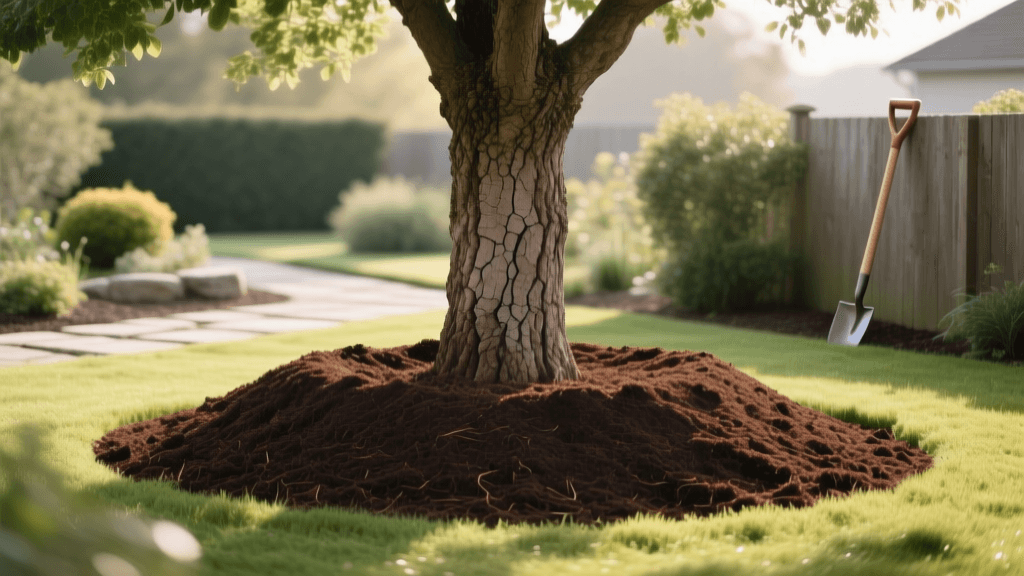
Mulch is vital for retaining soil moisture, regulating temperature, and suppressing weeds, but improper mulching can kill a tree. Never pile mulch against the trunk in a 'mulch volcano,' as this traps moisture against the bark, inviting fungal diseases and rodent damage. Instead, apply a 2 to 3-inch layer of organic hardwood mulch in a wide 'donut' shape around the tree. The mulch ring should extend at least 3 feet in diameter from the trunk, but keep the mulch 3 to 4 inches away from the actual bark of the trunk, leaving the root flare completely exposed to the air.
Fertilizing and Pruning Basics
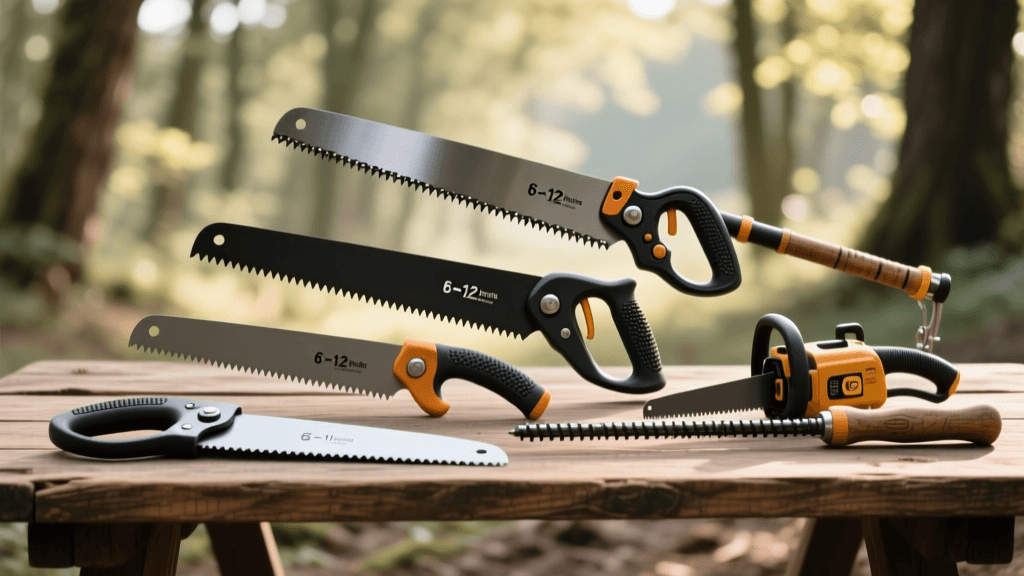
Red Maples generally do not require heavy fertilization, especially in their first year. In the second spring, you can apply a slow-release, balanced fertilizer (such as a 10-10-10 NPK formula) or specialized tree spikes like Miracle-Gro Tree & Shrub Spikes around the drip line of the canopy. Pruning should be minimal during the first few years, limited only to removing dead, damaged, or crossing branches. Always prune Red Maples in late winter while the tree is fully dormant. Pruning in late winter or early spring can cause excessive 'sap bleeding,' which, while not fatal, creates messy wounds that can attract pests.
Shade Tree Comparison Chart
Not sure if the Red Maple is the exact right fit for your yard? Compare it to other popular shade trees using the chart below to make an informed landscaping decision.
| Tree Variety | Mature Size (H x W) | Growth Rate | Fall Color | Soil & Moisture Preference |
|---|---|---|---|---|
| Red Maple (Acer rubrum) | 40-60 ft x 30-50 ft | Fast (1-2 ft/yr) | Vibrant Crimson / Scarlet | Adaptable; tolerates wet soils and slight drought |
| Sugar Maple (Acer saccharum) | 60-80 ft x 40-60 ft | Slow to Medium | Orange / Gold / Red mix | Requires well-drained, slightly acidic soil; hates compaction |
| Autumn Blaze Maple (Hybrid) | 40-55 ft x 30-40 ft | Very Fast (2-3 ft/yr) | Consistent Bright Orange-Red | Highly adaptable; excellent urban tolerance |
| Northern Red Oak (Quercus rubra) | 60-75 ft x 45-60 ft | Medium to Fast | Russet Red / Brown | Deep, well-drained, acidic sandy loam |
Expert Insights and Authoritative Sources
Proper planting depth is the single most critical factor in tree longevity. According to the University of Florida IFAS Extension, specifically the extensive urban forestry research led by Dr. Edward Gilman, planting trees too deeply is the leading cause of premature decline and structural failure in landscape trees. Gilman's research emphasizes that the structural roots must be located within the top 2 inches of the soil surface to access vital oxygen. Burying the root flare suffocates the tree and encourages girdling roots, which eventually strangle the trunk. Furthermore, the USDA Forest Service notes that Acer rubrum is a pioneer species, meaning it is naturally adapted to rapidly colonize disturbed areas and tolerate a wide spectrum of light and moisture conditions, making it inherently resilient for beginner gardeners.
Common Pests and Troubleshooting
While Red Maples are robust, they can occasionally fall victim to specific pests and environmental stressors. Leafhoppers are small insects that feed on the sap of new leaves, causing the edges to turn brown and crispy, a symptom known as 'hopperburn.' This is mostly cosmetic and rarely requires chemical intervention; encouraging natural predators like ladybugs is usually sufficient. Tar Spot is a fungal disease that leaves black, tar-like splotches on the leaves in late summer. It thrives in wet, humid conditions. To manage tar spot, rake and destroy all fallen leaves in autumn to remove the overwintering fungal spores. Finally, if your Red Maple's leaves turn yellow with green veins in the middle of summer, it is likely suffering from Iron Chlorosis due to high soil pH. Treat this by applying a liquid chelated iron drench directly to the root zone, which provides immediate relief, followed by long-term soil acidification treatments.
Winter Protection for Young Trees
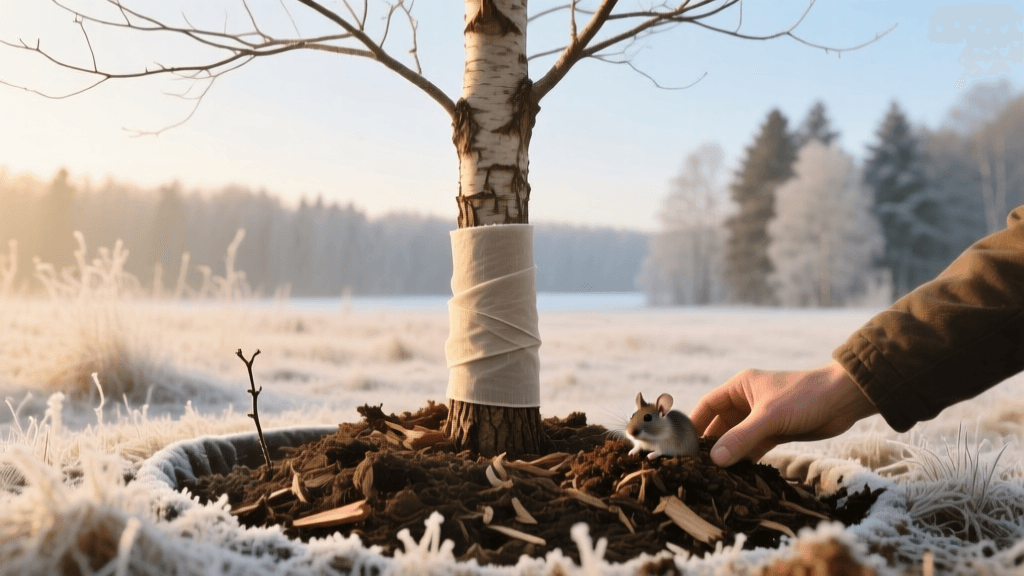
During the first two winters, young Red Maples with thin bark are susceptible to 'sunscald' and frost cracking. This occurs when the winter sun warms the bark during the day, stimulating cellular activity, followed by a rapid freeze at night that kills the active cells. To prevent this, wrap the trunk of your young tree with a commercial tree wrap or a white plastic tree guard from the base up to the first set of branches. Apply the wrap in late November and remove it promptly in early spring to prevent trapping moisture and harboring insects during the growing season. Additionally, if you live in an area with heavy snowfall or frequent deer populations, installing a wire mesh cage around the trunk will protect the bark from physical damage and winter browsing.