Pest Control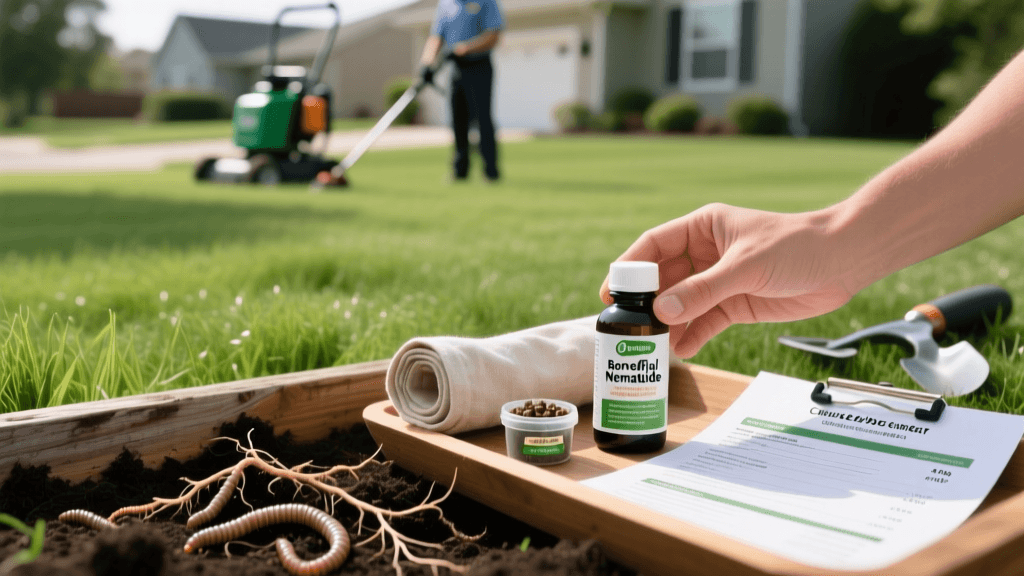
Grub Control Cost Guide: DIY vs Professional Lawn Budgets
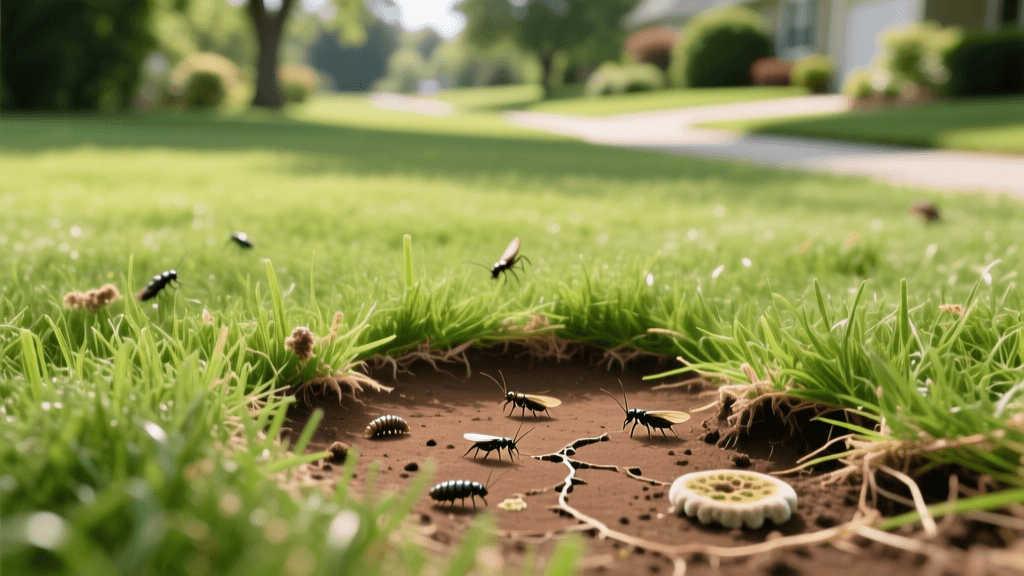
White grubs are the subterranean larvae of various scarab beetles, including Japanese beetles, June bugs, and European chafers. These voracious root-feeders can decimate a healthy lawn in a matter of weeks, leaving behind spongy, brown patches of dead turf that easily roll back like a carpet. Beyond the direct damage to your grass, grubs attract secondary pests like skunks, raccoons, and crows, which will tear up your yard in search of a protein-rich meal. When facing a grub infestation, homeowners are immediately confronted with a critical budgeting question: Should you tackle the problem yourself with DIY products, or hire a professional lawn care service?
Budgeting for pest control requires a clear understanding of product costs, application timing, and the hidden expenses of lawn repair. In this comprehensive cost and budgeting guide, we will break down the exact financial outlay required for chemical and organic grub treatments, compare DIY efforts against professional services, and help you allocate your lawn care dollars where they will have the highest return on investment.
Understanding the Grub Lifecycle and Treatment Windows
To budget effectively, you must first understand that timing dictates the type of product you need to buy. According to Cornell University Extension, the European chafer and Japanese beetle lay their eggs in mid-summer. These eggs hatch into small, vulnerable grubs in late July and August. This is the window for preventative treatments, which are generally cheaper and highly effective because they target the young larvae before they cause significant root damage.
If you miss the preventative window and discover damage in the fall or early spring, you are dealing with mature, third-instar grubs. These require curative treatments, which are often more expensive per application and require higher volumes of water to activate. As noted by the University of Massachusetts Amherst Turf Program, applying the wrong product at the wrong time of year is the most common way homeowners waste their pest control budget.
DIY Chemical Grub Control Costs
DIY chemical controls are the most common route for homeowners looking to balance efficacy with affordability. Prices are generally calculated per 1,000 square feet of turf.
Preventative Chemicals (Chlorantraniliprole & Imidacloprid)
Preventative chemicals are applied in late spring to early summer (May through July). The most popular active ingredient for homeowners is Chlorantraniliprole, widely sold under the brand name Scotts GrubEx1. A standard 15-pound bag of GrubEx1 costs approximately $28.00 to $32.00 and covers up to 5,000 square feet. This breaks down to a highly budget-friendly $5.60 to $6.40 per 1,000 sq ft.
Another common preventative is Imidacloprid (found in Bayer Advanced 24 Hour Grub Killer Plus), which costs around $22.00 for a 10-pound bag covering 5,000 square feet, equating to $4.40 per 1,000 sq ft. Both products require you to water the lawn with at least 0.5 inches of water immediately after application to move the chemical into the soil profile where the grubs feed. Failure to water in the product is a total waste of your budget.
Curative Chemicals (Trichlorfon)
If you need to kill active, mature grubs in the fall or spring, you need a fast-acting curative chemical like Trichlorfon, commonly sold as Dylox 6.2 Granular. Dylox is more expensive and degrades rapidly in the soil, meaning it offers no long-term residual protection. A 30-pound bag of Dylox costs around $85.00 to $95.00 and covers approximately 10,000 square feet. This brings the cost to $8.50 to $9.50 per 1,000 sq ft. Because it requires heavy watering and precise timing, the margin for DIY error is higher, potentially necessitating a second application and doubling your chemical budget.
DIY Organic and Biological Control Costs
For environmentally conscious homeowners, biological controls offer a chemical-free alternative. However, the upfront costs are significantly higher, though the long-term ROI can balance the initial budget hit.
Beneficial Nematodes (Heterorhabditis bacteriophora)
Beneficial nematodes are microscopic worms that seek out and infect grub larvae with a lethal bacteria. You must purchase the specific strain Heterorhabditis bacteriophora (Hb) for grub control. Because they are living organisms, they must be shipped overnight and applied immediately when soil temperatures are between 55°F and 85°F. A package containing 10 million nematodes (enough to treat roughly 2,000 square feet) costs between $35.00 and $45.00 from suppliers like Arbico Organics. This translates to a steep $17.50 to $22.50 per 1,000 sq ft. While expensive, they are entirely safe for pets, children, and beneficial earthworms.
Milky Spore Disease (Paenibacillus popilliae)
Milky Spore is a naturally occurring bacterium that specifically targets Japanese beetle grubs. It is applied in a grid pattern across the lawn using a specialized dispenser tube. A 40-ounce box of Milky Spore Powder costs about $65.00 and treats up to 16,000 square feet, bringing the cost down to an impressive $4.06 per 1,000 sq ft. The true budgeting advantage of Milky Spore is its longevity: once established in the soil, it can provide continuous grub control for 10 to 15 years without reapplication, making it the most cost-effective long-term organic strategy available.
Professional Grub Control Costs
If your lawn exceeds 10,000 square feet, or if you simply lack the time and equipment to spread and water in granular treatments, hiring a professional lawn care operator (LCO) is a viable option. According to data referenced by Michigan State University Extension, professional services utilize commercial-grade preventative products that are often more effective and longer-lasting than consumer-grade alternatives.
Most national companies (like TruGreen) and local LCOs do not sell standalone grub control; instead, it is bundled into an annual 5-to-7 step fertilization and weed control program. Expect to pay between $500 and $900 annually for a comprehensive program on a standard 5,000 to 10,000 square foot lawn. If you itemize the grub control portion of this bundle, it typically accounts for $75 to $125 per application (roughly $10.00 to $15.00 per 1,000 sq ft). The benefit here is that the cost includes commercial-grade equipment, professional labor, and a guarantee that the company will repair the lawn if grubs break through their preventative barrier.
Comprehensive Cost Comparison Table
Use the table below to compare the financial and practical aspects of the most common grub control methods to finalize your seasonal budget.
| Treatment Type | Active Ingredient / Method | Cost per 1,000 Sq Ft | Application Window | Longevity & ROI |
|---|---|---|---|---|
| DIY Preventative | Chlorantraniliprole (GrubEx) | $5.60 - $6.40 | May - July | 1 Season (High ROI) |
| DIY Preventative | Imidacloprid (Bayer) | $4.40 - $5.00 | June - July | 1 Season (High ROI) |
| DIY Curative | Trichlorfon (Dylox) | $8.50 - $9.50 | Aug - Oct / Mar - Apr | Days (Low ROI, Emergency) |
| DIY Organic | Hb Beneficial Nematodes | $17.50 - $22.50 | Late Summer / Early Fall | 1 Season (Eco-Friendly) |
| DIY Organic | Milky Spore Powder | $4.06 | Spring / Fall | 10-15 Years (Best Long-Term) |
| Professional | Commercial Preventative | $10.00 - $15.00 | Spring (Bundled Program) | 1 Season (Zero Labor) |
Hidden Costs: Lawn Repair After Grub Damage
When budgeting for pest control, many homeowners forget to account for the remediation required after a severe grub outbreak. If grubs have already destroyed the root system of your turf, killing the grubs will not magically regrow your grass. You must budget for lawn repair.
- Core Aeration: Renting a core aerator costs $75 to $100 per day. This is essential to relieve soil compaction and prepare the seedbed after grub and animal damage.
- Overseeding: High-quality turf-type tall fescue or Kentucky bluegrass seed costs $6.00 to $10.00 per pound. You will need roughly 5 to 8 pounds per 1,000 square feet for a heavy overseed, adding $30.00 to $80.00 per 1,000 sq ft to your recovery budget.
- Topdressing and Compost: Delivering a cubic yard of screened topsoil or compost costs $30 to $60, covering about 300 square feet at a depth of one inch.
Factoring in these hidden costs, repairing a heavily damaged 5,000 square foot lawn can easily add $300 to $500 to your total project cost, underscoring why investing in a $30 bag of preventative GrubEx in early summer is the smartest financial decision a homeowner can make.
Strategic Budgeting: How to Choose the Right Path
Your budgeting strategy should be dictated by your lawn's history and your personal schedule. If your neighborhood has a known history of Japanese beetle or European chafer infestations, allocate $35 to your spring budget for a DIY preventative chemical like Chlorantraniliprole. It is the most cost-effective insurance policy available in the turf care industry.
If you are managing an environmentally sensitive property near a waterway where synthetic chemicals are restricted, allocate $150 to $200 to establish a long-term Milky Spore grid, or budget $45 annually for beneficial nematode applications. Finally, if your lawn is larger than 15,000 square feet, the physical labor of spreading and watering in granular products becomes immense. In this case, reallocating your budget toward a professional lawn care bundle (averaging $700 annually) provides the best return on investment by trading a moderate financial premium for guaranteed results and reclaimed weekend time.