Pest Control
The True Cost of Grub Control: DIY vs Professional Lawn Treatment
The Hidden Threat Beneath Your Turf
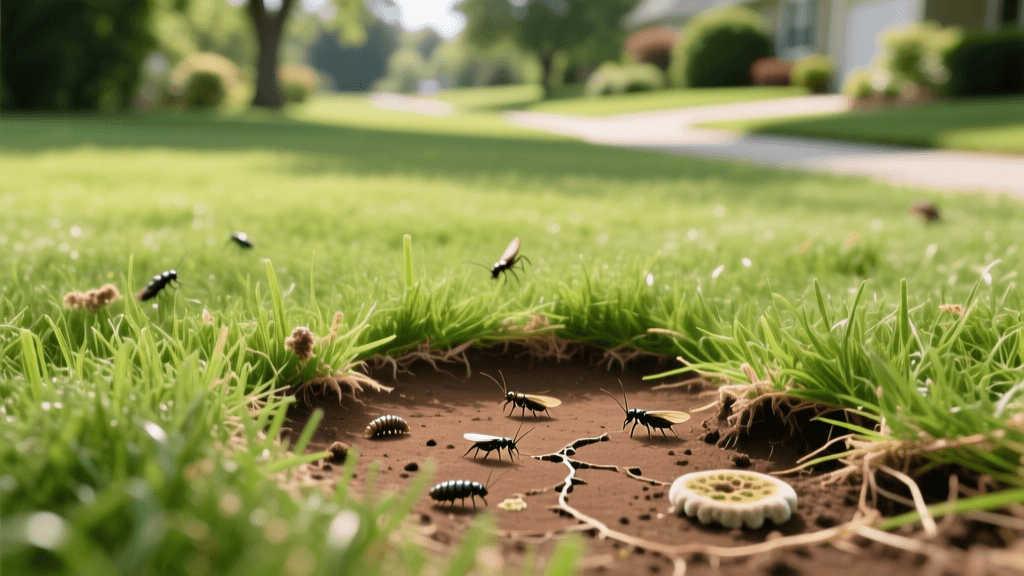
Every spring and fall, homeowners invest thousands of dollars into seeding, fertilizing, and watering their lawns, only to watch patches of turf turn brown and die from the roots up. The culprit is often hiding just beneath the soil surface: white grubs. These C-shaped larvae of Japanese beetles, June bugs, and European chafers feed voraciously on grass roots, severing the turf from its water and nutrient supply. According to the University of Kentucky Entomology, a healthy lawn can tolerate a few grubs, but an infestation of more than 10 grubs per square foot can cause catastrophic damage.
When budgeting for lawn care, grub control is a line item that many homeowners overlook until it is too late. The financial impact of a grub infestation extends far beyond the cost of the pesticide; it includes the secondary damage caused by foraging wildlife and the expensive lawn renovation required to replace dead turf. This comprehensive cost and budgeting guide will break down the expenses associated with DIY preventative, DIY curative, organic, and professional grub control methods, helping you make the most financially sound decision for your landscape.
DIY Preventative Grub Control: Costs, Products, and Timing
Preventative grub control is the most cost-effective strategy for long-term lawn health. These products do not kill grubs immediately; instead, they are absorbed by the grass roots and kill young grubs as they begin to feed in mid-to-late summer. The Michigan State University Extension highly recommends preventative treatments for lawns with a history of grub damage.
Active Ingredients and Product Costs
- Chlorantraniliprole (e.g., Scotts GrubEx): This is the safest and most popular preventative active ingredient. A standard 10-pound bag covering 5,000 square feet typically costs between $22 and $28.
- Imidacloprid (e.g., BioAdvanced Grub Control): Another highly effective preventative option, usually priced around $20 to $25 for a 5,000 square foot coverage area.
Application Timing and Budgeting
For an average 10,000-square-foot lawn, you will need two bags of preventative grub killer, bringing your annual DIY preventative budget to approximately $45 to $55. Timing is critical: these products must be applied between late May and early July, followed by a deep watering to activate the chemical and push it into the root zone.
DIY Curative Grub Control: Emergency Eradication
If you missed the preventative window and notice brown, peeling patches of grass in late summer or early fall, you are dealing with an active, mature grub infestation. Preventative products will not work at this stage. You must use a curative pesticide designed to kill large, actively feeding grubs on contact.
Active Ingredients and Product Costs
- Trichlorfon (e.g., Bayer Advanced 24 Hour Grub Killer): This fast-acting chemical is the gold standard for curative DIY treatment. A bag covering 5,000 square feet costs between $25 and $35.
- Carbaryl (e.g., Sevin Dust or Granules): An older, broader-spectrum insecticide that can be used curatively, though it is harsher on beneficial earthworms. Costs average $20 to $30 for 5,000 square feet.
Application Timing and Budgeting
Curative treatments are applied in August through October. Because curative chemicals break down faster in the soil, you may need to reapply if the infestation is severe. Budget $50 to $70 for a 10,000-square-foot lawn, but be aware that curative treatments do not protect your lawn the following spring. You are simply putting out a fire, not preventing the next one.
Organic and Biological Control Costs
For homeowners practicing strict Integrated Pest Management (IPM) or those with pets and children who prefer to avoid synthetic chemicals, biological controls offer a viable, albeit sometimes more expensive, alternative.
- Beneficial Nematodes (Heterorhabditis bacteriophora): These microscopic worms naturally hunt and kill grub larvae. You must purchase them live from specialized suppliers like Arbico Organics. A package treating 5,000 square feet costs about $40 to $60. Because they are living organisms, they require careful storage, immediate application, and frequent watering, making them labor-intensive.
- Milky Spore Disease (Paenibacillus popilliae): Specifically targeting Japanese beetle grubs, milky spore is applied in a grid pattern across the lawn. A 40-ounce box covering 10,000 square feet costs roughly $60 to $80. While the upfront cost is higher, the Penn State Extension notes that once established in the soil, milky spore can provide biological control for 10 to 15 years without reapplication.
Professional Lawn Care Services: Pricing and Packages
If you lack the time, equipment, or desire to calibrate a spreader and track insect life cycles, hiring a professional lawn care service is a practical route. Companies like TruGreen, Weed Man, and local boutique landscapers offer grub control either as an a la carte service or bundled into an annual fertilization and weed control program.
A La Carte Professional Treatment
Standalone professional grub control applications typically cost between $100 and $250 per visit, depending on your lot size and regional labor rates. Professionals use commercial-grade liquid applications or high-grade granular products, ensuring even distribution and proper watering-in.
Bundled Annual Programs
Most homeowners opt for bundled lawn care programs, which include pre-emergent crabgrass control, multi-step fertilization, weed control, and a preventative grub application. These annual contracts generally range from $500 to $1,200 per year for a standard suburban lawn. When grub control is bundled, its marginal cost is effectively reduced to about $50 to $80 of the total package, representing excellent value when factoring in the labor and commercial-grade materials.
Cost Comparison Chart: DIY vs. Professional Treatment
Use the table below to compare the estimated costs and efficacy of different grub control strategies for an average 10,000-square-foot lawn.
| Treatment Method | Example Product / Service | Est. Cost (10k sq ft) | Application Timing | Longevity & Efficacy |
|---|---|---|---|---|
| DIY Preventative | Scotts GrubEx (Chlorantraniliprole) | $45 - $55 | May - July | High efficacy for current year |
| DIY Curative | Bayer 24-Hour (Trichlorfon) | $50 - $70 | August - October | Kills active grubs; no residual |
| DIY Organic | Beneficial Nematodes (Hb) | $80 - $120 | Late Summer | Moderate; requires strict moisture |
| DIY Long-Term Bio | Milky Spore Powder | $60 - $80 | Spring or Fall | Takes 2-3 years to establish, lasts 10+ |
| Professional A La Carte | Local Lawn Care Company | $120 - $250 | May - July | High; includes labor and guarantee |
| Professional Bundled | Annual Lawn Care Program | $500 - $1,200 (Total) | Year-Round | Comprehensive lawn health & pest mgmt |
The Compounding Costs of Secondary Damage
When budgeting for pest control, you must factor in the 'hidden' costs of inaction. Grubs are a primary food source for skunks, raccoons, armadillos, and crows. When these animals detect a grub infestation, they will aggressively dig up your lawn, peeling back the turf like a carpet to reach the larvae.
The cost to repair animal-damaged, grub-infested turf is staggering. Replacing damaged soil, purchasing new topsoil, and laying fresh sod costs between $0.50 and $1.50 per square foot when factoring in materials and manual labor. If a family of raccoons destroys a 200-square-foot section of your front yard, you are suddenly facing a $100 to $300 renovation bill, completely erasing any money you 'saved' by skipping a $50 preventative grub treatment.
Step-by-Step Annual Grub Control Budget
To maintain a pristine lawn without breaking the bank, integrate grub control into your annual landscaping budget using this timeline:
- Early Spring (March - April): Inspect your lawn. If you see severe animal digging or dead patches that don't green up, budget for curative treatments or sod replacement.
- Late Spring (May - June): Purchase your DIY preventative granular product ($45-$55 for 10,000 sq ft) or ensure your professional lawn care service has applied their summer grub preventative.
- Mid-Summer (July - August): Monitor for signs of Japanese beetle swarms. High adult beetle activity in July usually guarantees a heavy egg-laying season, meaning your preventative treatment is working overtime.
- Early Fall (September): Conduct a 'tug test' on your grass. If the turf rolls back easily like loose carpet and you count more than 10 grubs per square foot, your preventative failed. Immediately budget $50-$70 for a curative Trichlorfon application to stop further root destruction before winter.
Conclusion
Effective grub control is an exercise in proactive budgeting. By spending $45 to $55 annually on a DIY preventative treatment, or by ensuring it is included in your professional lawn care contract, you protect your landscape from devastating root loss and expensive wildlife damage. Understanding the life cycle of the grub and matching it with the correct chemical or biological intervention ensures your lawn care budget is spent on cultivation and beauty, rather than emergency pest eradication and turf replacement.