Pest Control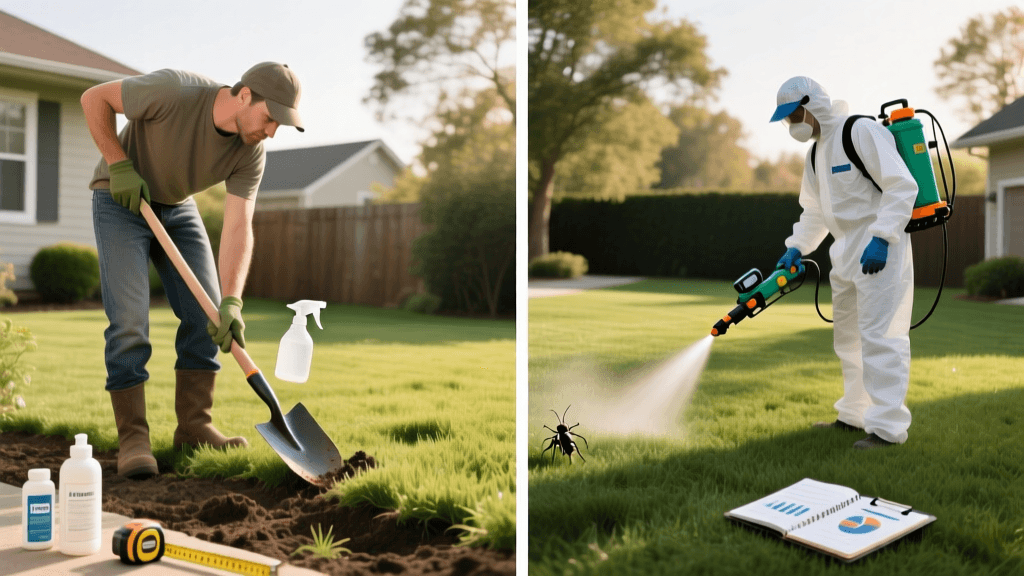
Grub Control Cost Guide: DIY Treatments vs Pro Services
The Financial Threat of Lawn Grubs
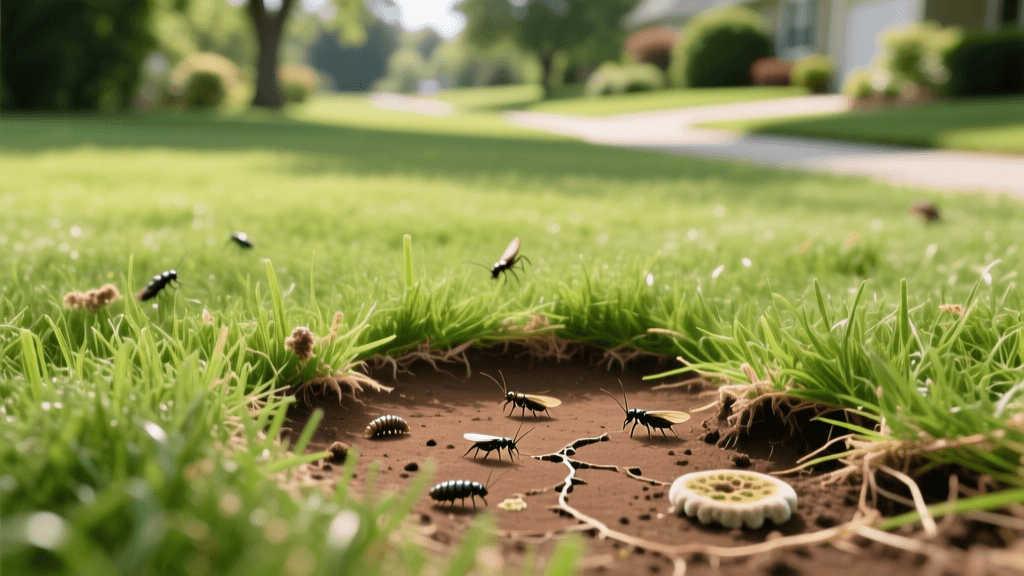
When it comes to lawn pests, few can cause as much rapid and devastating financial damage as the white grub. These C-shaped larvae of beetles, such as Japanese beetles, June bugs, and European chafers, feed aggressively on grassroots just below the soil surface. Left unchecked, a severe grub infestation can completely destroy a lush lawn in a matter of weeks, leading to massive renovation expenses. According to Penn State Extension, a healthy lawn can tolerate a few grubs, but populations exceeding ten per square foot will cause the turf to detach from the soil, rolling back like a loose carpet.
For homeowners, the primary question is not just how to eliminate grubs, but how to do so cost-effectively. Budgeting for grub control requires understanding the difference between preventative and curative treatments, the costs of organic versus synthetic chemicals, and the financial trade-offs between DIY applications and professional lawn care services. This comprehensive cost and budgeting guide will break down the exact expenses associated with grub management so you can protect your turf without breaking the bank.
Breaking Down DIY Grub Control Costs
Tackling grub control on your own is generally the most budget-friendly route, provided you have the time and willingness to apply treatments correctly. The cost of DIY grub control depends heavily on whether you are applying a preventative or curative product, as well as the size of your lawn.
Preventative Chemical Treatments
Preventative treatments are applied in early summer (June to July) before the grubs hatch and begin feeding. Active ingredients like Imidacloprid and Chlorantraniliprole are highly effective and widely available at home improvement stores. A standard 20-pound bag of granular preventative grub control (such as Scotts GrubEx) typically costs between $25 and $45 and covers up to 10,000 square feet. For a quarter-acre lawn (roughly 10,890 square feet), your annual material cost will be approximately $30 to $50.
Curative Chemical Treatments
If you discover an active infestation in late summer or early fall (August to October), preventative products will no longer work. You must use a fast-acting curative insecticide, such as Trichlorfon (commonly sold as Dylox). Curative products are slightly more expensive and degrade quickly in the soil. A bag covering 10,000 square feet generally costs between $40 and $70. Because timing is critical, you may need to apply a second treatment if the initial application misses the peak hatching window, effectively doubling your chemical budget.
Organic and Biological Controls
For homeowners practicing Integrated Pest Management (IPM) or organic lawn care, biological controls are a popular, albeit sometimes pricier, upfront investment.
- Beneficial Nematodes: Microscopic worms (specifically Heterorhabditis bacteriophora) hunt and kill grubs in the soil. A package treating 10,000 square feet costs between $30 and $60. Because nematodes are living organisms, they require careful handling, immediate application, and strict soil moisture management, which can increase your water bill.
- Milky Spore Disease: This naturally occurring bacterium (Bacillus popilliae) targets Japanese beetle grubs specifically. While a 10,000-square-foot application can cost $60 to $90, it only needs to be applied once. According to Michigan State University Extension, Milky Spore can remain effective in the soil for 10 to 15 years, making its long-term amortized cost incredibly low.
Professional Lawn Care Service Pricing
If you prefer to hand over the responsibility to the experts, professional lawn care companies offer grub control either as an a la carte service or bundled into an annual fertilization and weed control program.
A La Carte Pricing: Hiring a professional for a single, targeted grub control application typically costs between $150 and $350 for a standard 10,000-square-foot lawn. This price includes the commercial-grade product, the labor, and the commercial spreading equipment. While this is three to five times the cost of DIY materials, it guarantees proper calibration and timing.
Bundled Lawn Care Programs: Most national and regional lawn care providers include preventative grub control in their premium 5-step or 7-step annual lawn care programs. These programs generally range from $500 to $1,200 per year, depending on your region and lawn size. If you are already budgeting for weed control and fertilization, the marginal cost of adding grub control to a bundled package is often negligible.
Cost Comparison Table: DIY vs. Professional Grub Treatment
To help you visualize the budget requirements, here is a side-by-side cost comparison based on an average 10,000-square-foot lawn.
| Treatment Method | Material Cost | Labor / Time Investment | Equipment Required | Total Estimated Cost |
|---|---|---|---|---|
| DIY Preventative (Granular) | $25 - $45 | 1 - 2 Hours | Spreaders ($40-$100 one-time) | $25 - $45 |
| DIY Curative (Granular) | $40 - $70 | 1 - 2 Hours | Spreaders ($40-$100 one-time) | $40 - $70 |
| DIY Beneficial Nematodes | $30 - $60 | 2 - 3 Hours | Hose-end Sprayer ($15-$30) | $30 - $60 |
| DIY Milky Spore (One-Time) | $60 - $90 | 2 - 4 Hours | Spreader or Drop Tube | $60 - $90 (Lasts 10+ Years) |
| Professional A La Carte | Included | 0 Hours | Provided by Company | $150 - $350 |
| Professional Bundled Program | Included | 0 Hours | Provided by Company | $500 - $1200 (Annual Full Care) |
Hidden Costs in Grub Management
When creating your pest control budget, it is vital to account for the hidden costs that often catch homeowners off guard.
Watering Requirements
Almost all granular grub treatments, as well as beneficial nematodes, require immediate watering to activate the product and wash it into the root zone where the grubs feed. You will need to apply roughly half an inch of water immediately after treatment. Depending on your local water rates, this can add $10 to $30 to your monthly utility bill per application.
Wildlife Damage Repair
Grubs are a primary food source for skunks, raccoons, armadillos, and certain bird species like crows. If you delay treatment, these animals will tear up your lawn to dig for the larvae. The cost of repairing wildlife damage involves not only killing the grubs but also replacing torn sod, purchasing topsoil, and reseeding. Sod repair can cost upwards of $0.50 to $0.85 per square foot, turning a minor pest issue into a major landscaping expense.
Budgeting for Integrated Pest Management (IPM)
The most cost-effective approach to grub control is not blindly applying chemicals every year, but rather utilizing Integrated Pest Management (IPM) principles. The Environmental Protection Agency (EPA) emphasizes that IPM focuses on monitoring pest populations and treating only when economic thresholds are exceeded.
The Scouting Method: In late summer, use a flat-edged shovel to cut a one-foot by one-foot square of sod, about two inches deep, and peel it back. Count the number of grubs in the root zone. Replace the sod and water it. Repeat this in three different areas of your lawn. If you find fewer than five grubs per square foot, your lawn can naturally withstand the feeding, and you can save your money by skipping treatment entirely. If you count more than ten grubs per square foot, the economic threshold has been crossed, and investing in a curative treatment is financially justified to prevent total lawn loss.
Conclusion: Which Route Maximizes Your ROI?
Budgeting for grub control ultimately comes down to your available time, lawn size, and tolerance for physical labor. For lawns under 15,000 square feet, DIY preventative treatments using Imidacloprid or Chlorantraniliprole offer the highest return on investment, costing less than $50 a year. For those committed to organic gardening, the higher upfront cost of Milky Spore pays massive dividends over a decade.
However, if you manage a large property, lack the physical ability to push a heavy spreader, or have a history of severe turf loss, hiring a professional service is a worthwhile insurance policy. By understanding the true costs of materials, labor, and potential lawn repair, you can allocate your landscaping budget wisely and keep your lawn green, healthy, and grub-free season after season.