Pest Control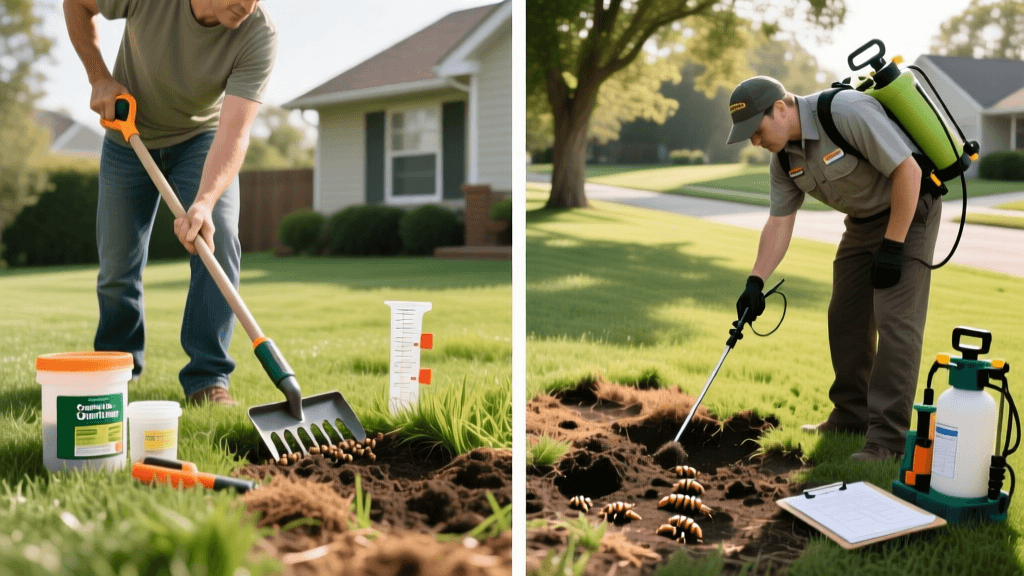
Grub Control Costs: DIY vs Professional Lawn Treatment Budget
The True Cost of Grub Damage and Control
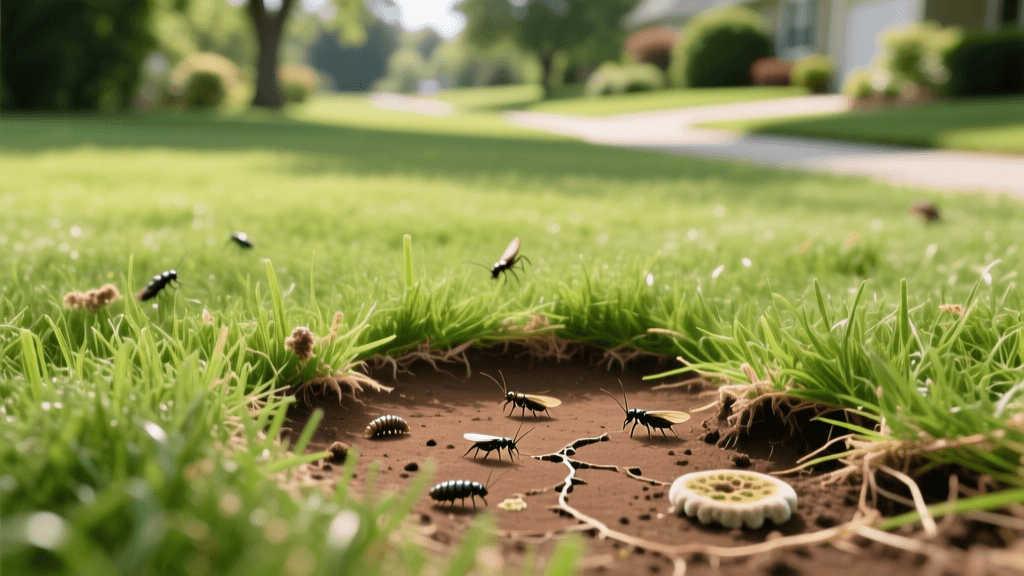
White grubs are the larval stage of various scarab beetles, including Japanese beetles, June bugs, and European chafers. These C-shaped, cream-colored pests feed aggressively on grassroots, severing the turf from its soil base and causing widespread brown patches, spongy lawn textures, and secondary damage from foraging skunks and raccoons. When planning your annual lawn care budget, grub control is a line item that demands strategic foresight. Failing to budget for grub management can lead to catastrophic lawn loss, pushing your budget from a simple preventative treatment into expensive turf renovation.
According to UMass Extension, a healthy lawn can tolerate a low population of grubs, but once the threshold exceeds eight to ten grubs per square foot, severe damage is imminent. Homeowners are generally faced with two primary routes for grub management: Do-It-Yourself (DIY) applications or hiring a professional lawn care service. Understanding the cost variables, active ingredients, and timing for each approach is essential for maximizing your pest control budget.
Breaking Down the Costs: DIY vs. Professional Services
The financial outlay for grub control varies significantly based on lawn size, treatment type, and labor. Professional lawn care companies typically charge between $0.10 and $0.25 per square foot for a standalone grub treatment. For an average 5,000-square-foot lawn, a professional application will cost between $50 and $125 per visit. However, most homeowners opt to include grub control in a comprehensive annual fertilization and weed control program, which generally ranges from $300 to $500 per year.
On the other hand, the DIY route is considerably more budget-friendly in terms of raw materials. A standard bag of preventative grub control costs between $15 and $30 and covers up to 5,000 square feet. Curative treatments, which are required if you miss the preventative window and active grubs are actively destroying your lawn, are slightly more expensive, ranging from $30 to $50 per bag. While DIY saves on labor costs, it requires an investment in time, proper equipment calibration, and strict adherence to application timelines.
Cost Comparison Table: Grub Treatment Options
| Treatment Type | Active Ingredient / Product | Application Window | Est. Cost (per 5,000 sq ft) | Budget Impact |
|---|---|---|---|---|
| DIY Preventative | Chlorantraniliprole (e.g., Scotts GrubEx1) | May - June | $20 - $25 | Low upfront cost; high long-term efficacy |
| DIY Preventative | Imidacloprid (e.g., BioAdvanced 24-Hour) | June - July | $15 - $22 | Budget-friendly; fast systemic action |
| DIY Curative | Trichlorfon (e.g., Dylox) | August - September | $35 - $45 | Higher cost; required for active infestations |
| Professional Preventative | Proprietary Commercial Blends | May - July | $50 - $100 | Zero labor; often bundled in annual contracts |
| Professional Curative | Commercial Trichlorfon/Acephate | August - September | $100 - $150+ | High cost; may require follow-up repair visits |
Budgeting for Preventative vs. Curative Treatments
The golden rule of pest control budgeting is that prevention is always cheaper than the cure. Cornell University IPM emphasizes that targeting grubs during their early larval stages prevents the root-severing damage that leads to costly lawn replacement.
Preventative Treatments (The Budget Saver)
Preventative products contain long-residual active ingredients like Chlorantraniliprole or Imidacloprid. These are applied in late spring to early summer (May through July). The chemicals absorb into the root zone and remain active in the soil, killing young grubs as they hatch and begin to feed. Budgeting $20 to $25 in early summer for a preventative product like Scotts GrubEx1 is the most cost-effective way to protect your turf for the entire season.
Curative Treatments (The Budget Buster)
If you fail to apply a preventative, or if an unexpected beetle flight results in a massive egg hatch, you will need a curative treatment by late summer. Curative products rely on fast-acting, short-residual chemicals like Trichlorfon (commonly sold as Dylox). These products must be watered in immediately and degrade quickly in sunlight and soil. Curative treatments cost roughly 50% more than preventatives. Furthermore, because the grubs have already been feeding for weeks, you will likely need to budget an additional $100 to $300 for lawn repair, including core aeration, topsoil, and premium grass seed.
Organic and IPM Budgeting: Nematodes and Milky Spore
For homeowners dedicated to organic lawn care and Integrated Pest Management (IPM), biological controls offer an alternative to synthetic chemicals, though they require a different budgeting strategy.
- Beneficial Nematodes (Heterorhabditis bacteriophora): These microscopic worms hunt and destroy grubs in the soil. A package containing 10 million nematodes (enough for roughly 3,000 to 5,000 square feet) costs between $30 and $45. While more expensive per square foot than synthetic preventatives, they are entirely safe for pets, children, and beneficial earthworms. They must be applied in late summer when soil temperatures are above 60°F and require immediate, thorough watering.
- Milky Spore (Paenibacillus popilliae): Milky spore is a naturally occurring bacterium that specifically targets Japanese beetle grubs. The initial budget hit is high—roughly $30 for 10 ounces of powder (treating 2,500 sq ft) or $60 for a 20-ounce shaker. However, Michigan State University Extension notes that once established in the soil, milky spore can remain effective for 10 to 15 years. When amortized over a decade, the annual cost drops to less than $5, making it a brilliant long-term budget play for organic gardeners.
Hidden Costs That Inflate Your Pest Control Budget
When calculating your grub control budget, novice homeowners often overlook the ancillary costs required to make the treatment successful. Failing to account for these hidden expenses can derail your lawn care finances.
- Spreader Calibration and Purchase: To apply granular grub control evenly, you need a high-quality broadcast spreader. If you do not own one, budget $60 to $120 for a reliable model. Uneven application leads to chemical waste and missed grubs.
- Water Usage: Both preventative and curative granular treatments must be watered into the soil to reach the root zone where grubs feed. This requires applying 0.25 to 0.5 inches of water immediately after application. Depending on your local municipal water rates, watering a 5,000-square-foot lawn can add $5 to $15 to your monthly water bill per application.
- Lawn Renovation Materials: If curative treatment is delayed, the turf will die. Reseeding a 1,000-square-foot damaged patch requires a budget of $40 for premium seed, $30 for starter fertilizer, and potentially $50 for topsoil and erosion control blankets.
Actionable Steps to Maximize Your Grub Control Budget
To ensure every dollar spent on grub control yields a lush, pest-free lawn, follow this actionable budgeting and application checklist:
1. Measure Your Lawn Accurately
Do not guess your lawn size. Overestimating leads to wasted product and chemical runoff; underestimating leaves vulnerable pockets of turf. Use online mapping tools or a measuring wheel to determine your exact treatable square footage, subtracting the footprint of your home, driveway, and garden beds. Buy only the product volume you need.
2. Scout Before You Spray
In early spring or late fall, use a flat-headed shovel to cut a 1-foot by 1-foot square of sod, about 3 inches deep, and fold it back. Count the grubs. If you find fewer than five grubs per square foot, treatment may not be necessary, saving you the cost of chemicals entirely. If you find eight or more, proceed with your budgeted treatment.
3. Time the Application with Soil Temperatures
Applying preventative products too early (before May) allows the chemical to degrade before the grubs hatch. Applying too late (after August) renders the preventative useless, forcing you to buy a more expensive curative product. Monitor local soil temperatures; apply preventatives when soil temps consistently reach 65°F at a 2-inch depth.
4. Maintain a Healthy, Deep-Rooted Lawn
The most cost-effective pest control is a thick, vigorously growing lawn. Turf with roots extending 4 to 6 inches deep can withstand grub feeding far better than shallow-rooted, drought-stressed grass. Budget for annual core aeration and proper seasonal fertilization to build natural resilience, effectively lowering your long-term reliance on chemical interventions.
By understanding the lifecycle of white grubs, choosing the right active ingredients, and accounting for the hidden costs of application and lawn repair, you can build a highly effective pest control budget. Whether you opt for a $25 DIY preventative application or invest in a long-term organic Milky Spore strategy, proactive financial planning is the key to preserving your lawn's health and your wallet.