Pest Control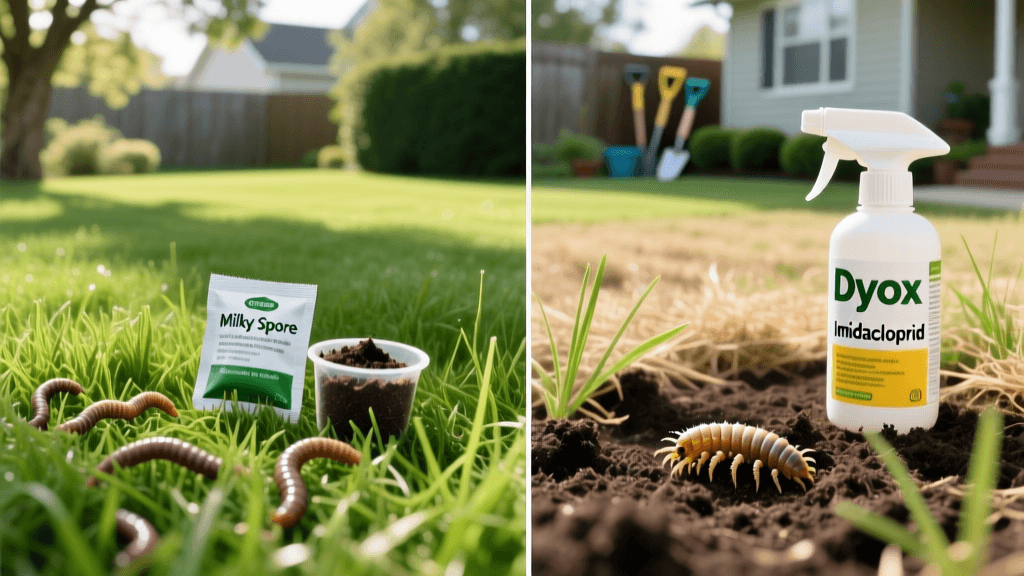
Best Grub Control Products: Milky Spore vs Chemical Insecticides
The Battle Against Lawn Grubs: Organic vs. Chemical
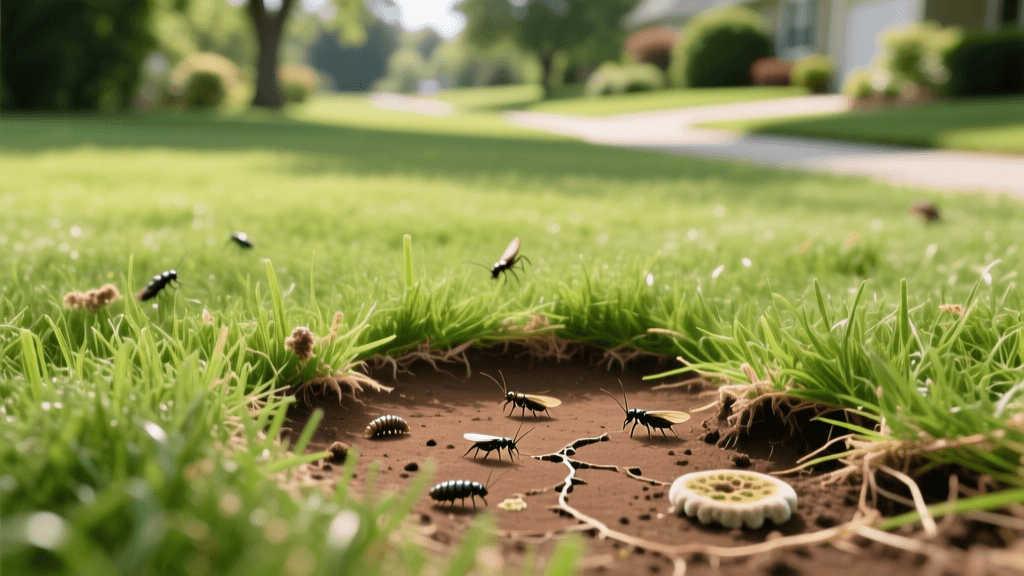
Every spring and late summer, homeowners across the country face a silent threat beneath their turf: white grubs. These C-shaped larvae of scarab beetles, including Japanese beetles, June bugs, and European chafers, feed aggressively on grassroots. Left unchecked, they can turn a lush, green lawn into a patchy, brown wasteland almost overnight. But when it comes to eradication, the debate between organic and chemical grub control products is fierce. Do you reach for the fast-acting synthetic insecticides, or do you invest in long-term biological controls like Milky Spore?
In this comprehensive product review and comparison guide, we break down the most effective grub control solutions on the market. We will evaluate active ingredients, application timing, cost-effectiveness, and environmental impact to help you choose the best defense for your specific lawn care needs.
Identifying Grub Damage and Thresholds
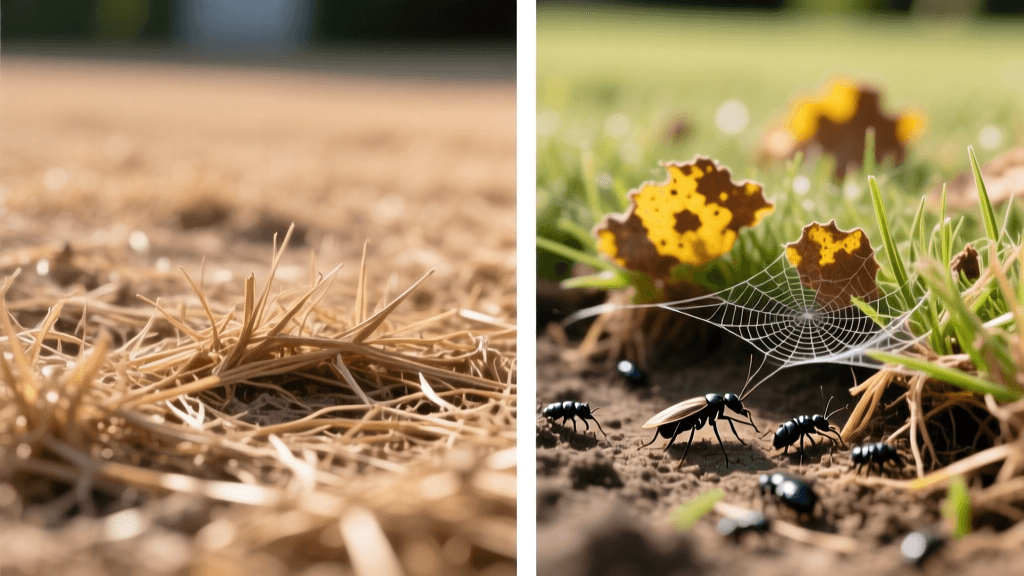
Before spending money on any pest control product, it is crucial to confirm that grubs are actually the culprit. Grub damage typically manifests as irregular brown patches of turf that peel back easily from the soil, much like rolling up a carpet, because the roots have been entirely severed. Furthermore, you may notice increased activity from foraging wildlife, such as skunks, raccoons, and crows, tearing up the lawn to feast on the protein-rich larvae.
According to turfgrass entomologists, treating for grubs is only necessary when populations exceed the damage threshold of 5 to 10 grubs per square foot. A few grubs are normal and can even help aerate the soil.
To check your lawn's grub population, cut a one-foot square section of turf on three sides, about two inches deep, and peel it back. Count the grubs in the top two inches of soil. If you find more than the threshold, it is time to deploy a targeted control product.
Top Chemical Grub Control Products Reviewed
Chemical insecticides remain the most popular choice for homeowners dealing with severe, active infestations or those seeking guaranteed preventative protection. They are generally divided into two categories: preventatives and curatives.
1. Imidacloprid (Merit) - The Long-Lasting Preventative
Imidacloprid is a neonicotinoid insecticide that works systemically. When applied to the soil and watered in, it is absorbed by the grassroots. When young grubs feed on the treated roots, the chemical disrupts their nervous system, leading to rapid mortality. Products containing Imidacloprid, such as Bayer Advanced 24 Hour Grub Killer Plus or generic Merit formulations, are highly effective when applied before the eggs hatch.
- Best For: Preventative control in early summer (June to mid-July).
- Pros: Long residual activity (up to 4 months); highly effective on young, early-instar grubs.
- Cons: Ineffective on large, mature grubs in late summer or fall; concerns regarding pollinator toxicity if applied to flowering weeds.
- Estimated Cost: $15 - $20 per 5,000 sq. ft.
2. Chlorantraniliprole (Acelepryn / GrubEx) - The Eco-Friendly Synthetic
Chlorantraniliprole, widely known by the consumer brand Scotts GrubEx, is a newer class of chemistry (anthranilic diamides). It targets the muscle function of insects, causing them to stop feeding almost immediately. Research from Michigan State University Extension indicates that Chlorantraniliprole provides exceptional grub control while posing virtually zero risk to bees, earthworms, and other beneficial soil organisms.
- Best For: Environmentally conscious homeowners seeking a preventative chemical.
- Pros: Extremely low toxicity to non-target organisms; excellent long-term residual.
- Cons: Takes longer to break down in the soil; must be applied early (April to June) for best results.
- Estimated Cost: $20 - $25 per 5,000 sq. ft.
3. Trichlorfon (Dylox) - The Fast-Acting Curative
When you wake up in late August or September to find your lawn being destroyed by large, mature grubs, preventative chemicals will not work. You need a curative contact insecticide like Trichlorfon, commonly sold as Dylox. Dylox degrades rapidly in the soil (often within a few days to a week), but it delivers a massive, immediate knockdown of active grub populations.
- Best For: Curative treatment of active, late-summer infestations.
- Pros: Kills large grubs within 24 to 48 hours; short soil residual reduces long-term environmental impact.
- Cons: Very short window of effectiveness; requires heavy irrigation to move the granules into the thatch and soil layer.
- Estimated Cost: $25 - $30 per 5,000 sq. ft.
Top Organic Grub Control Products Reviewed
For those practicing strict Integrated Pest Management (IPM) or organic lawn care, biological controls offer a sustainable, long-term approach to managing scarab beetle populations without synthetic chemicals.
1. Milky Spore (Paenibacillus popilliae)
Milky Spore is a naturally occurring bacterium that specifically targets the larvae of Japanese beetles. When grubs ingest the spores while feeding on roots, the bacteria multiply inside their gut, eventually killing the grub and releasing billions of new spores back into the soil. According to Rutgers University turfgrass pest management guidelines, Milky Spore can remain active in the soil for 10 to 15 years, providing a self-sustaining defense mechanism.
- Best For: Long-term, organic management of Japanese beetle grubs.
- Pros: Completely safe for pets, humans, and beneficial insects; one-time application can last over a decade.
- Cons: Only effective against Japanese beetle larvae (not June bugs or European chafers); takes 2 to 3 years to build up effective spore concentrations in the soil; relatively expensive upfront.
- Estimated Cost: $40 - $60 per 4,000 sq. ft. (initial investment).
2. Beneficial Nematodes (Heterorhabditis bacteriophora)
Beneficial nematodes are microscopic, unsegmented worms that naturally occur in soil. The Hb (Heterorhabditis bacteriophora) strain is a voracious predator of white grubs. You apply them via a hose-end sprayer; they swim through the soil moisture, enter the grub's body cavities, and release symbiotic bacteria that kill the host within 48 hours. The nematodes then reproduce inside the dead grub and emerge to hunt the next victim.
- Best For: Curative organic control in late summer and early fall.
- Pros: Targets a wide variety of grub species; acts quickly for a biological control; safe for the environment.
- Cons: Requires strict soil moisture management; sensitive to UV light (must be applied at dusk); short shelf life (must be kept refrigerated before use).
- Estimated Cost: $30 - $45 per 5,000 sq. ft.
Product Comparison Chart
| Active Ingredient / Product | Control Type | Target Species | Speed of Action | Pollinator Safety |
|---|---|---|---|---|
| Imidacloprid (Merit) | Preventative | Most Scarab Beetles | Slow (Weeks) | Low (Toxic if on blooms) |
| Chlorantraniliprole (GrubEx) | Preventative | Most Scarab Beetles | Slow (Weeks) | High (Very Safe) |
| Trichlorfon (Dylox) | Curative | Most Scarab Beetles | Fast (24-48 Hours) | Moderate |
| Milky Spore | Preventative/Curative | Japanese Beetles Only | Very Slow (1-3 Years) | High (Completely Safe) |
| Beneficial Nematodes (Hb) | Curative | Most Scarab Beetles | Moderate (3-7 Days) | High (Completely Safe) |
How to Choose the Right Product for Your Lawn
Selecting the best grub control product depends entirely on the time of year and the current state of your lawn. As highlighted by Penn State Extension, timing is the single most critical factor in grub management.
If it is April through June: Your goal is prevention. The beetles have not yet laid their eggs, or the eggs are just beginning to hatch. This is the ideal window to apply Chlorantraniliprole (GrubEx) or Imidacloprid. These chemicals will reside in the soil and root zone, waiting to intercept the vulnerable, newly hatched grubs in late July and August.
If it is August through October: Preventative chemicals will no longer work, as the grubs are too large and the chemical half-life has expired. If you are seeing active damage, you must use a curative product. For synthetic lawns, apply Dylox (Trichlorfon) and water it in heavily. For organic lawns, apply Beneficial Nematodes during a rainy period or commit to heavy daily irrigation to keep the soil surface moist so the nematodes can travel.
If you are planning for the next decade: If your primary pest is the Japanese beetle, investing in Milky Spore is a brilliant, eco-friendly strategy. While it will not save a lawn currently under siege, applying it alongside a short-term curative treatment this year will inoculate your soil, drastically reducing Japanese beetle grub populations for the next 15 years.
Application Tips and Environmental Safety
Regardless of the product you choose, proper application is vital for efficacy and environmental stewardship. Always mow your lawn immediately before applying any grub control product. This removes weed flower heads (like blooming clover or dandelions), ensuring that foraging bees and pollinators are not exposed to the treatment.
After broadcasting granular insecticides, you must water the lawn with at least 0.5 inches of irrigation. Grubs live beneath the thatch layer and in the top two inches of soil; if the chemical remains on the grass blades or in the thatch, it will degrade in the sunlight and fail to reach the target pests. Furthermore, never apply curative chemicals like Dylox to drought-stressed lawns, as the grubs will have burrowed deep into the soil profile to find moisture, putting them out of reach of the insecticide.
Final Verdict
There is no single 'magic bullet' for grub control. For the most reliable, season-long protection with minimal environmental impact, Chlorantraniliprole (Scotts GrubEx) takes the top spot for preventative chemical control. However, for organic gardeners willing to play the long game, combining Milky Spore for Japanese beetles with annual applications of Beneficial Nematodes in the fall provides a robust, chemical-free defense that builds soil health year over year. Assess your lawn's specific damage, check the calendar, and choose the tool that fits your integrated pest management strategy.