Pest Control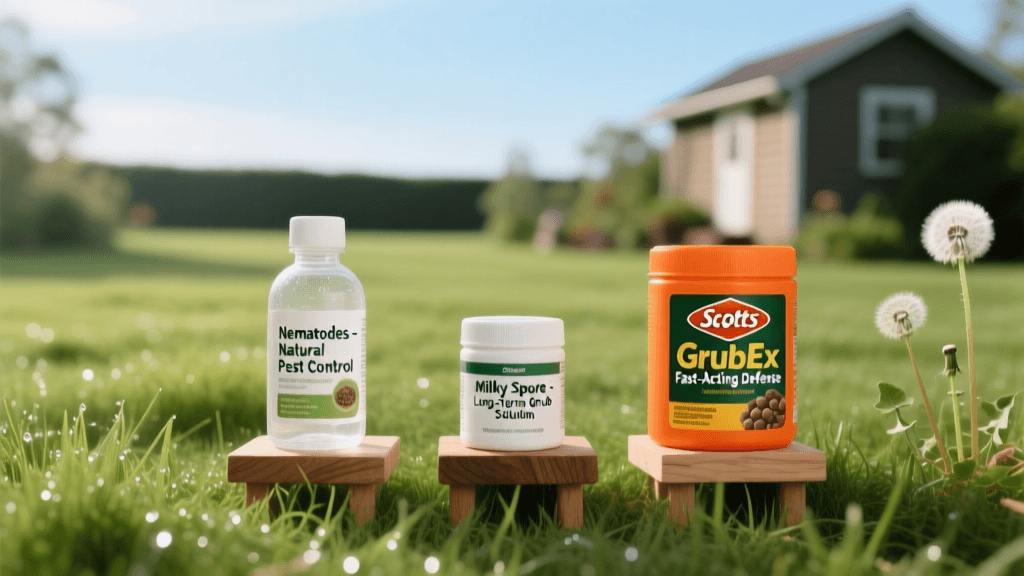
Best Grub Control Products: Nematodes vs Milky Spore vs Chemical
The Hidden Threat Beneath Your Turf
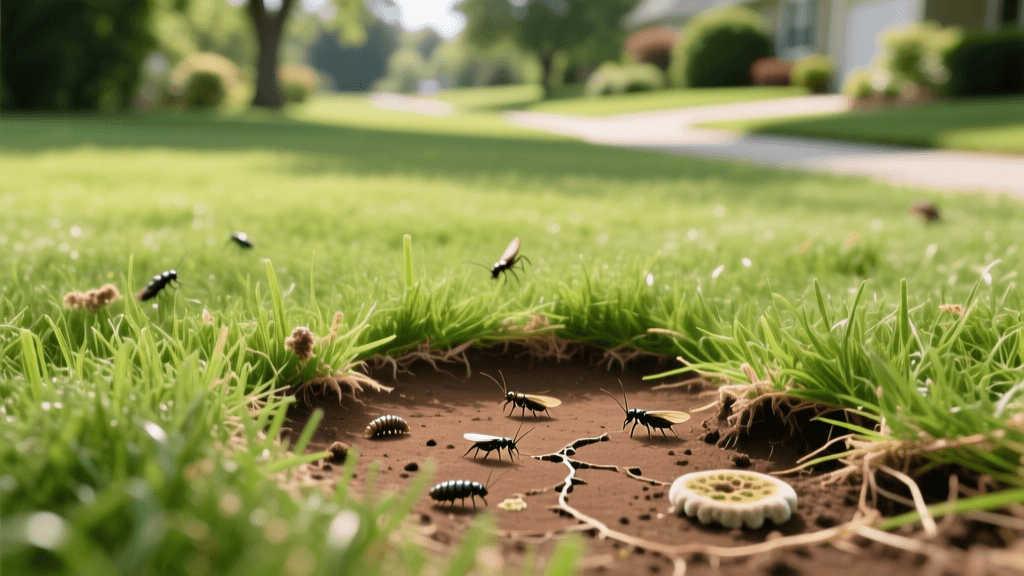
White grubs are the larval stage of various scarab beetles, including Japanese beetles, June bugs, and European chafers. Feeding aggressively on grassroots just below the soil surface, these C-shaped pests can destroy a healthy lawn in a matter of weeks, leaving behind spongy, brown, and easily detached turf. Furthermore, grubs attract secondary pests like skunks, raccoons, and crows, which will tear up your yard in search of a protein-rich meal. Choosing the right grub control product is not a one-size-fits-all scenario; it requires an understanding of your soil, the specific beetle species in your region, and your commitment to Integrated Pest Management (IPM).
According to the UMass Extension Turf Program, a healthy lawn can typically tolerate a low population of grubs without sustaining visible damage. The action threshold for treatment is generally considered to be between 5 to 10 grubs per square foot. Before purchasing any product, perform a simple scouting test: use a spade to cut a one-foot square section of turf, peel it back, and count the grubs in the top three inches of soil. If you exceed the threshold, it is time to intervene. In this comprehensive review, we compare the three most popular grub control categories on the market: Beneficial Nematodes, Milky Spore, and Chemical Preventatives like Scotts GrubEx.
1. Beneficial Nematodes (Heterorhabditis bacteriophora)
Beneficial nematodes are microscopic, unsegmented roundworms that occur naturally in soils worldwide. For grub control, the specific species you want is Heterorhabditis bacteriophora (often abbreviated as Hb). Unlike other nematode species that wait for pests to pass by, Hb nematodes are active 'cruisers' that hunt down white grubs in the soil profile.
How They Work
Once a nematode enters a grub through natural body openings, it releases a symbiotic bacterium that rapidly multiplies, killing the grub within 24 to 48 hours. The nematodes then feed on the developing bacteria, reproduce inside the dead host, and release hundreds of new infective juveniles into the surrounding soil to seek out more prey. The United States Environmental Protection Agency (EPA) highly encourages biological controls like nematodes as a cornerstone of IPM, as they pose zero risk to humans, pets, earthworms, and above-ground pollinators.
Application and Cost
- Timing: Apply in late summer or early fall (August to September) when grubs are small, actively feeding, and close to the soil surface. Soil temperatures must be above 60°F.
- Method: Mix with water and apply using a hose-end sprayer or watering can. The soil must be moist before application and kept lightly watered for 7 to 10 days afterward to prevent the nematodes from drying out.
- Cost: Approximately $35 to $50 for a pack of 10 million nematodes, which treats about 5,000 square feet.
Pros: 100% organic, safe for all beneficial insects, fast-acting curative control, improves overall soil biology.
Cons: Requires refrigeration before use, short shelf life, highly dependent on proper soil moisture and UV protection (apply at dusk).
2. Milky Spore Disease (Paenibacillus popilliae)
Milky Spore is a naturally occurring bacterium that specifically targets the larvae of the Japanese beetle. Discovered in the 1930s, it was one of the first biological controls registered in the United States. It is important to note that Milky Spore is highly host-specific; it will not control European chafer or June bug grubs.
How They Work
When Japanese beetle grubs ingest Milky Spore spores while feeding on grassroots, the bacteria multiply inside their hemolymph (blood), turning it a milky white color and eventually killing the host. As the grub decays, billions of new spores are released into the soil, creating a long-term, self-sustaining defense grid.
Application and Cost
- Timing: Can be applied anytime the ground is not frozen, but late summer is ideal when grubs are feeding.
- Method: Applied using a specialized dispenser tube or by hand, placing a teaspoon of powder in a grid pattern every 12 inches across the lawn. Water lightly to settle the spores into the soil.
- Cost: Roughly $45 to $65 for a 40-ounce box, treating up to 16,000 square feet.
Pros: Extremely long-lasting (can remain effective in the soil for 10 to 15 years), completely safe for the environment, requires only one major application.
Cons: Only works on Japanese beetle grubs, takes 2 to 3 years to build up enough spore concentration in the soil to provide full control, not a quick-fix curative treatment.
3. Chemical Preventatives: Scotts GrubEx (Chlorantraniliprole)
For homeowners dealing with severe, recurring infestations or those who need guaranteed preventative protection, modern chemical preventatives remain a popular choice. Scotts GrubEx is the industry standard, utilizing the active ingredient Chlorantraniliprole (0.08%).
How They Work
Chlorantraniliprole belongs to the anthranilic diamide class of insecticides. It works by binding to the ryanodine receptors in the insect's muscle cells, causing unregulated calcium release, paralysis, and eventually death. Because it targets receptors specific to insects, it has a remarkably low toxicity profile for mammals, birds, and earthworms. Furthermore, research highlighted by Penn State Extension indicates that Chlorantraniliprole is significantly safer for pollinators and soil-dwelling bees compared to older neonicotinoid chemicals like imidacloprid.
Application and Cost
- Timing: Must be applied preventatively in late spring to early summer (May through July). It is not effective as a curative treatment for large, mature grubs in the fall.
- Method: Broadcast evenly using a rotary or drop spreader. It is absolutely critical to water the lawn with at least 0.25 inches of irrigation immediately after application to wash the chemical off the grass blades and into the root zone where grubs feed.
- Cost: Approximately $25 to $30 for a 14.35 lb bag, treating 5,000 square feet.
Pros: Highly effective preventative control, easy to apply with standard spreaders, cost-effective for large properties, long residual activity in the soil.
Cons: Synthetic chemical, does not cure existing late-season infestations, requires strict adherence to watering instructions to activate.
Head-to-Head Grub Control Comparison Chart
| Feature | Beneficial Nematodes (Hb) | Milky Spore | Scotts GrubEx |
|---|---|---|---|
| Active Ingredient | Heterorhabditis bacteriophora | Paenibacillus popilliae | Chlorantraniliprole (0.08%) |
| Control Type | Curative & Preventative | Long-term Preventative | Preventative Only |
| Target Pests | Japanese, Chafer, June Bugs | Japanese Beetles ONLY | Japanese, Chafer, June Bugs |
| Time to Kill | 2 to 5 Days | 1 to 3 Weeks | Varies (prevents maturation) |
| Soil Impact | Enhances biology | Neutral / Biological | Low impact, safe for earthworms |
| Est. Cost per 5k sq ft | $35 - $50 | $15 - $20 (prorated) | $25 - $30 |
Strategic Application Timing and IPM Best Practices
Successfully managing white grubs requires aligning your product choice with the pest's life cycle. Grubs hatch in mid-to-late summer, feed aggressively in early fall, burrow deep to overwinter, and resume brief feeding in the spring before pupating into adult beetles.
The Preventative Route (Spring/Early Summer)
If your lawn has a documented history of grub damage, or if you are noticing high populations of adult Japanese beetles or June bugs in your garden during early summer, a preventative application of Scotts GrubEx in May or June is your most reliable defense. The chemical will bind to the soil organic matter and remain active, intercepting the newly hatched larvae in July and August before they can grow large enough to cause significant root pruning.
The Curative Route (Late Summer/Fall)
If you missed the preventative window and notice brown, rolling patches of turf in September, you are dealing with a curative situation. The grubs are now large and eating voraciously. Chemical preventatives will not work fast enough here. Instead, apply Beneficial Nematodes (Hb). Ensure you irrigate the lawn the day before application, apply the nematodes at dusk to avoid UV degradation, and keep the soil consistently moist for a week. You should see a drastic reduction in grub activity within five days.
The Long-Term Investment
For organic gardeners focused exclusively on Japanese beetles, integrating Milky Spore into your lawn care regimen is a brilliant multi-year strategy. While it will not save a lawn currently under siege, applying it alongside a one-time curative treatment of nematodes can help establish the spore bank in your soil, eventually providing a decade of passive, natural immunity.
Cultural Controls to Support Your Products
No product can overcome poor lawn care. To support your IPM strategy, maintain a mowing height of 3 to 4 inches. Taller grass develops deeper, more robust root systems that can tolerate minor grub feeding without showing surface stress. Additionally, avoid over-fertilizing with high-nitrogen synthetic fertilizers in the late summer, as this promotes lush, succulent root growth that is highly attractive to egg-laying female beetles. By combining smart cultural practices with the targeted biological or chemical products reviewed above, you can maintain a pristine, resilient lawn free from subterranean invaders.