Pest Control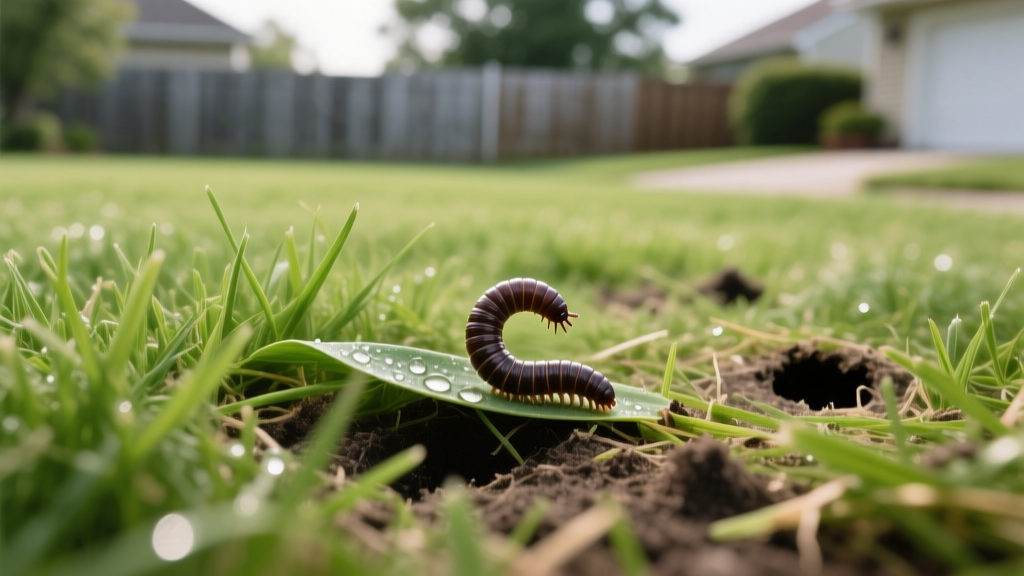
Grub Worm ID & Bayer Advanced 24-Hour Treatment 2026
Lisa ThompsonPublished
The Wildlife Connection: Why Animals Tear Up Your Lawn in 2026
As suburban ecosystems continue to evolve in 2026, homeowners are increasingly sharing their landscapes with local wildlife. While observing a skunk, raccoon, or a murder of crows might seem like a quaint nature encounter, these animals can wreak absolute havoc on your turfgrass. The primary culprit behind this destruction is rarely the animal itself; rather, it is the hidden food source they are digging for: white grubs.
From a wildlife and yard animal management perspective, treating the symptom (the dug-up lawn) is futile if you do not address the root cause (the grub infestation). Skunks dig small, conical holes to extract grubs, while raccoons are notorious for rolling back large sections of sod like a carpet to access the protein-rich larvae beneath. Moles and voles also tunnel extensively through the root zone, severing grass roots and creating unsightly ridges. By eliminating the grub population, you naturally evict the wildlife from your yard, saving your turf and promoting a balanced local ecosystem.
Grub Worm Identification: Know Your Enemy
Before deploying any chemical controls, proper identification is a cornerstone of Integrated Pest Management (IPM). White grubs are the larval stage of various scarab beetles, including the Japanese Beetle, European Chafer, and June Bug. They live just beneath the soil surface, feeding on the roots of your grass.
The Square Foot Dig Test
To determine if your lawn has a grub problem severe enough to attract wildlife, perform the square foot dig test. Using a flat spade, cut three sides of a one-foot square in your turf and peel it back like a hinge. Count the number of grubs in the top three inches of soil. According to the Penn State Extension, finding more than 5 to 10 grubs per square foot indicates an infestation that requires treatment and is highly likely to attract foraging wildlife.
Identifying Grub Species by Raster Patterns
Entomologists identify grub species by examining the 'raster pattern'—the arrangement of microscopic hairs and bristles on the underside of the grub's abdomen, just above the tail. While this requires a magnifying glass, knowing the species helps predict which wildlife predators are most likely to visit your yard.
| Grub Species | Raster Pattern | Primary Wildlife Predators | Peak Foraging Month |
|---|---|---|---|
| Japanese Beetle | V-shaped pattern | Skunks, Raccoons, Crows | September |
| European Chafer | Y-shaped zipper pattern | Moles, Skunks, Starlings | October - November |
| June Bug (Phyllophaga) | Parallel rows of spines | Raccoons, Armadillos, Moles | August - September |
Bayer Advanced 24-Hour Grub Killer: The 2026 Standard
When wildlife is actively tearing up your lawn, you do not have the luxury of waiting weeks for a slow-acting preventative to work. You need an immediate curative solution. As of 2026, the Bayer Advanced 24-Hour Grub Killer (now widely distributed under the BioAdvanced consumer brand label) remains the gold standard for rapid grub eradication.
How Dylox Works
The active ingredient in this formulation is Dylox (Trichlorfon). Unlike systemic preventatives that take weeks to build up in the plant tissue, Dylox is a fast-acting contact and stomach poison. When applied and watered into the soil, it creates a toxic zone in the root layer. Grubs ingest the treated roots or absorb the chemical through their cuticle, resulting in a complete knockdown of the population within 24 hours.
From a wildlife management standpoint, this rapid knockdown is critical. If the food source is eliminated immediately, foraging animals will not return the following night to continue their destructive digging. The University of California Statewide IPM Program notes that Trichlorfon is highly effective against young, actively feeding grubs near the soil surface, making late summer and early fall the ideal application windows.
Step-by-Step Application Guide for 2026
To maximize the efficacy of Bayer Advanced 24-Hour Grub Killer and ensure the safety of non-target organisms, follow these precise application steps.
1. Timing and Soil Conditions
Dylox degrades rapidly in highly alkaline soils (pH above 7.5) and under extreme UV exposure. Apply the product in the late afternoon or early evening. The best time of year is late August through October, when grubs are young, actively feeding, and located in the top two inches of the soil profile.
2. Spreader Calibration
In 2026, the standard application rate for the granular formulation of BioAdvanced/Bayer Advanced 24-Hour Grub Killer is typically 3 pounds per 1,000 square feet. Check the specific packaging, as concentrations can vary slightly by region. Calibrate your broadcast spreader to ensure even distribution. Overlapping passes will result in chemical waste, while gaps will leave pockets of grubs that will continue to attract skunks and raccoons.
3. The Crucial Watering Step
Dylox must be activated and moved into the root zone to be effective. Immediately after application, water your lawn with at least 0.5 inches of irrigation. If you do not have an irrigation system, set up oscillating sprinklers and use a rain gauge to measure the output. Without this vital watering step, the granules will remain on the thatch layer, rendering the treatment useless and potentially exposing surface-foraging birds to the chemical.
Integrated Wildlife & Pest Management Strategies
Chemical treatment is only one pillar of a comprehensive yard animal management plan. Once the grubs are eliminated using Bayer Advanced, you must implement strategies to repair the damage and deter wildlife from returning out of habit.
Lawn Recovery and Repair
Wildlife damage often looks worse than the grub damage itself. After treating the grubs, use a heavy lawn roller to press the peeled-back sod firmly against the soil. This re-establishes root-to-soil contact. Follow up with core aeration and overseeding using a drought-resistant, wildlife-tolerant grass blend, such as Turf-Type Tall Fescue, which has deeper roots and recovers faster from animal traffic.
Habitat Modification and Deterrence
Animals are creatures of habit. Even after the grubs are gone, a raccoon may return to your yard simply because it remembers it as a reliable food source. To break this cycle in 2026, employ temporary deterrents:
- Motion-Activated Sprinklers: These are highly effective against skunks and raccoons. A sudden burst of water conditions the animals to avoid your yard without causing them harm.
- Wildlife-Proof Waste Management: Ensure your outdoor trash and compost bins are secured with locking lids. If you remove alternative food sources, animals will migrate to more productive foraging grounds.
- Beneficial Nematodes (Heterorhabditis bacteriophora): As a long-term, organic follow-up for the next spring, apply beneficial nematodes. These microscopic worms naturally hunt down any surviving grub larvae in the soil, maintaining a grub-free yard without the need for additional synthetic chemicals.
Frequently Asked Questions
Is Bayer Advanced 24-Hour Grub Killer safe for pets?
Yes, once the product has been watered in and the lawn has completely dried, it is generally safe for pets and children to re-enter the treated area. Always follow the specific label instructions on the 2026 packaging regarding re-entry times.
Will treating for grubs get rid of moles?
Not entirely. While grubs are a preferred food source, moles primarily eat earthworms. Eliminating grubs will reduce mole activity and stop skunks and raccoons, but if earthworm populations are high, moles may still tunnel. However, removing the high-calorie grub food source significantly reduces the overall animal traffic in your yard.
Can I apply grub killer in the spring?
Spring applications of Dylox are generally less effective and not recommended for wildlife management. In the spring, grubs are mature, nearing the end of their feeding cycle, and preparing to pupate. The damage is already done, and treating them in spring does not prevent the adult beetles from laying new eggs in mid-summer. Stick to late summer and early fall applications for the best results.