Pest Control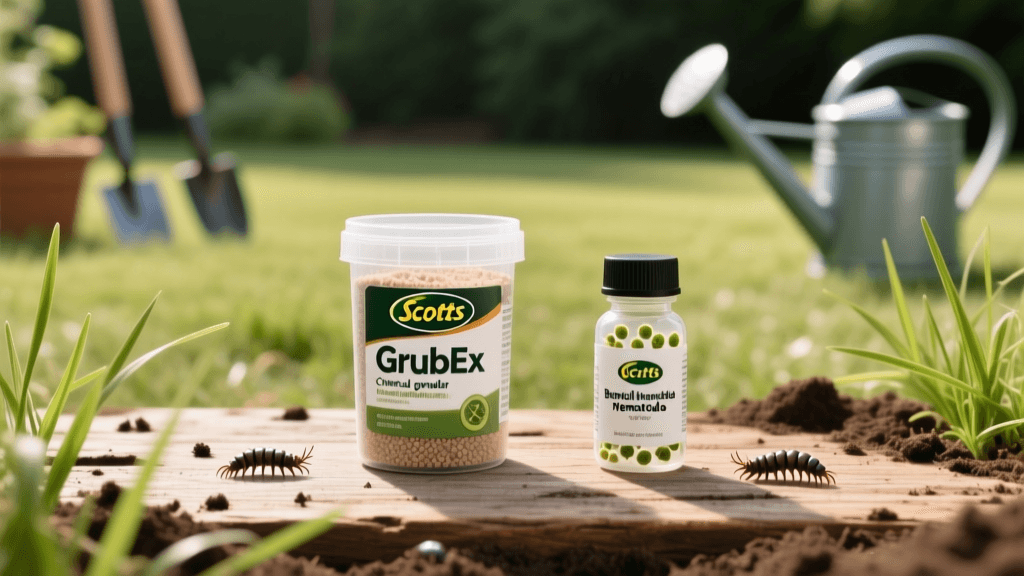
GrubEx vs Beneficial Nematodes: Grub Control Products Compared
The Hidden Threat Beneath Your Turf
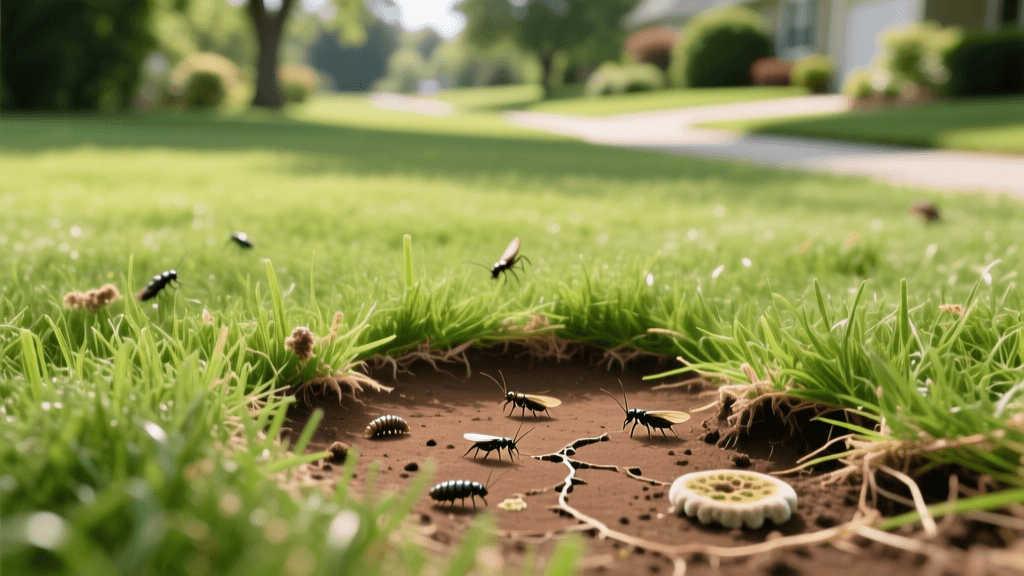
White grubs, the larval stage of scarab beetles such as the Japanese beetle, European chafer, and Oriental beetle, are among the most destructive pests in home lawns. Feeding aggressively on grassroots, they cause irregular brown patches, spongy turf that rolls back like a carpet, and secondary damage from foraging skunks, raccoons, and crows. According to the Penn State Extension, a robust, well-maintained lawn can tolerate a few grubs, but populations exceeding eight to ten per square foot require immediate intervention.
When implementing an Integrated Pest Management (IPM) strategy, homeowners typically face a critical decision: use a synthetic preventative like Scotts GrubEx, or deploy an organic, biological control like beneficial nematodes. Both products are highly effective when used correctly, but they operate on entirely different biological mechanisms and timelines. This comprehensive review compares these two dominant grub control products, analyzing their active ingredients, application protocols, environmental impact, and overall cost-effectiveness to help you make an informed decision for your lawn.
Product Review: Scotts GrubEx (Chlorantraniliprole)
How It Works
Scotts GrubEx is a widely available granular insecticide whose active ingredient is Chlorantraniliprole (often sold under the commercial trade name Acelepryn). Unlike older neurotoxic insecticides like imidacloprid or carbaryl, Chlorantraniliprole is a ryanodine receptor modulator. When a grub ingests the treated grass roots, the chemical triggers an uncontrolled release of calcium from the insect's internal muscles, leading to paralysis, feeding cessation, and eventually death. Because it takes time for the grub to ingest enough of the chemical to stop feeding, this product is strictly a preventative treatment, not a curative one.
Application and Timing
Timing is the most crucial factor when using GrubEx. The product must be applied in spring or early summer (typically between April and June, depending on your hardiness zone) before the adult beetles lay their eggs. The granules need to be watered into the soil with at least 0.5 inches of irrigation to activate the chemical and move it into the root zone where newly hatched grubs will feed in late summer. A standard 14.5 lb bag treats up to 5,000 square feet and costs approximately $25 to $30, making it a highly economical choice for large properties.
Product Review: Beneficial Nematodes (Heterorhabditis bacteriophora)
How It Works
Beneficial nematodes are microscopic, unsegmented roundworms that occur naturally in soils worldwide. For grub control, the most effective species is Heterorhabditis bacteriophora (Hb). These nematodes act as biological delivery systems for a lethal, symbiotic bacteria called Photorhabdus luminescens. The nematodes actively hunt grubs in the soil, entering the pest through natural body openings. Once inside, they release the bacteria, which causes septicemia (blood poisoning) in the grub, killing it within 48 hours. The nematodes then reproduce inside the dead grub, releasing thousands of new infective juveniles into the soil to hunt for more prey.
Application and Timing
Unlike GrubEx, nematodes can be used as both a preventative and a curative treatment. They are most effective when applied in late summer or early fall (August to October) when grubs are young, actively feeding, and close to the soil surface. Because nematodes are living organisms, they are highly sensitive to UV light and desiccation. They must be applied at dusk or on a cloudy day using a hose-end sprayer and immediately watered into the soil. The lawn must remain consistently moist for 14 days post-application to ensure the nematodes survive and hunt effectively. A package of 50 million Hb nematodes (enough to treat roughly 5,000 square feet curatively) typically costs between $35 and $50 and must be stored in a refrigerator until use.
Head-to-Head Comparison Chart
| Feature | Scotts GrubEx (Chlorantraniliprole) | Beneficial Nematodes (Hb Strain) |
|---|---|---|
| Active Agent | Synthetic Chemical (Ryanodine receptor modulator) | Living Organism (Microscopic roundworm + bacteria) |
| Primary Use | Preventative only | Curative and Preventative |
| Best Application Window | Spring / Early Summer (April - June) | Late Summer / Early Fall (August - October) |
| Speed of Kill | Slow (Days to weeks after ingestion) | Fast (24 to 48 hours after infection) |
| Shelf Life | 2+ years (store in cool, dry place) | 3 to 6 months (must be refrigerated) |
| Soil Moisture Requirement | Water in once (0.5 inches) to activate | Keep soil continuously moist for 14 days |
| Avg. Cost per 1,000 sq ft | $5.00 - $6.00 | $7.00 - $10.00 (Curative rates) |
Environmental Safety and IPM Integration
One of the most significant shifts in modern lawn care is the move away from broad-spectrum neonicotinoids, which have been linked to pollinator decline. The Rutgers Cooperative Extension notes that Chlorantraniliprole (the active ingredient in GrubEx) is highly targeted and exhibits very low toxicity to bees, earthworms, and beneficial predatory insects. It is generally considered safe for pets and children once the granules have been watered in and the lawn is dry. However, it is still a synthetic pesticide, which may deter strict organic gardeners.
Beneficial nematodes, on the other hand, are 100% organic and completely safe for humans, pets, earthworms, and pollinators. The University of Minnesota Extension highlights that nematodes only target specific soil-dwelling insects and will not harm plants or beneficial above-ground predators like ladybugs or praying mantises. For homeowners pursuing a strict organic IPM program, nematodes are the undisputed champion. Furthermore, because nematodes reproduce inside their hosts, a single successful application can establish a self-sustaining population in your soil that provides residual grub control for subsequent seasons.
Step-by-Step Application Protocols
Applying GrubEx
- Step 1: Calibrate your broadcast spreader according to the settings listed on the GrubEx packaging.
- Step 2: Apply the granules evenly across your lawn in late spring. Avoid overlapping passes to prevent chemical burn or wasted product.
- Step 3: Immediately water the lawn with 0.5 inches of water. Use an empty tuna can placed on the lawn to measure when you have reached the half-inch mark.
- Step 4: Allow the grass to dry completely before allowing children or pets back onto the turf.
Applying Beneficial Nematodes
- Step 1: Mow your lawn slightly shorter than usual to allow the nematode spray to reach the soil surface easily.
- Step 2: Wait until dusk or an overcast day. UV light will kill the nematodes on contact if sprayed in direct sunlight.
- Step 3: Mix the nematode sponge or powder into a bucket of cool, distilled water (chlorine in tap water can kill them). Stir gently and transfer to a hose-end sprayer.
- Step 4: Spray the lawn evenly. Rinse the sprayer with clean water and spray the rinse over the lawn to ensure all nematodes are applied.
- Step 5: Water the lawn lightly immediately after application to wash the nematodes off the grass blades and into the soil.
- Step 6: Irrigate the lawn lightly every 2 to 3 days for the next two weeks to prevent the soil from drying out.
Final Verdict: Which Should You Choose?
The choice between Scotts GrubEx and Beneficial Nematodes ultimately depends on your lawn's current condition, your budget, and your environmental philosophy.
Choose Scotts GrubEx if: You have a history of severe grub damage, you are looking for a low-cost, low-maintenance preventative measure, and you prefer to treat your lawn in the spring. It is a 'set it and forget it' synthetic solution that provides excellent, long-lasting protection with minimal watering requirements.
Choose Beneficial Nematodes if: You are currently seeing active grub damage in late summer or fall and need a curative rescue treatment. Nematodes are also the mandatory choice for organic lawn care enthusiasts, those with strict environmental concerns regarding synthetic chemicals, or homeowners who want to establish a natural, biological defense system in their soil that will multiply and protect the lawn for years to come.
By understanding the unique biology and application requirements of both products, you can effectively integrate them into your seasonal lawn care routine, ensuring a thick, vibrant, and grub-free landscape year after year.