
Landscaping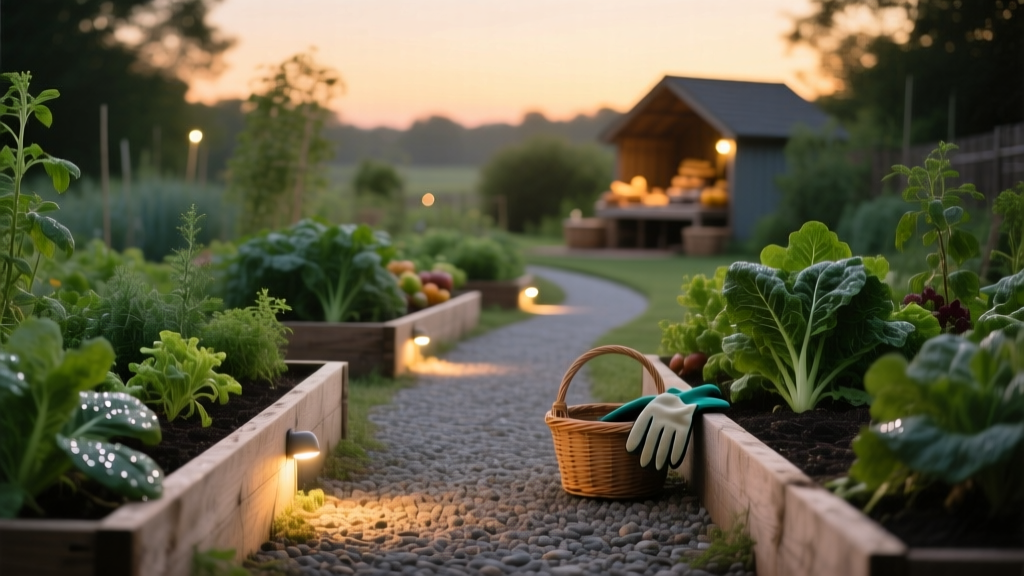
2026 Hampton Bay LED Path Lighting For Foodscaping
Emily WatsonPublished
The Intersection of Foodscaping and Outdoor Illumination
Foodscaping—the art of integrating edible plants into traditional ornamental landscape designs—has completely transformed how homeowners view their yards in 2026. No longer relegated to hidden backyard plots, vegetable gardens, dwarf fruit orchards, and culinary herb borders are now taking center stage in front yards and prominent outdoor living spaces. However, as edible landscapes become more complex and aesthetically driven, the need for proper nighttime illumination has grown exponentially. Pathway lighting is no longer just about curb appeal; it is a critical functional component of the modern edible garden.
Navigating an edible landscape after dark serves several practical purposes. Night harvesting is essential for certain crops, such as picking sweet corn at its peak sugar content or gathering cool-weather greens before the morning heat. Furthermore, nighttime is the prime window for monitoring and managing nocturnal garden pests like slugs, earwigs, and squash vine borers. To facilitate these activities safely and beautifully, low-voltage LED pathway lighting, specifically the 2026 lineup of Hampton Bay fixtures, offers the perfect balance of energy efficiency, safety, and aesthetic warmth.
Why Hampton Bay Low-Voltage LEDs Lead the 2026 Market
When working in environments that combine moist soil, frequent watering, and active human cultivation, safety is paramount. Line-voltage (120V) lighting poses a severe shock hazard if a shovel strikes a buried cable or if water infiltrates a fixture. Hampton Bay low-voltage (12V) LED systems eliminate this risk, making them the undisputed choice for raised beds, sunken orchards, and greenhouse perimeters. In 2026, Hampton Bay has upgraded its LED diode technology, offering fixtures that produce higher lumen outputs while drawing significantly less wattage from the transformer.
Energy efficiency is another major factor driving the adoption of these fixtures. According to the U.S. Department of Energy, outdoor LED lighting uses at least 75% less energy than traditional incandescent lighting and lasts significantly longer. For foodscapers who leave pathway lights on from dusk until dawn to deter foraging wildlife like raccoons and deer, this efficiency translates to substantial long-term savings on utility bills without sacrificing visibility.
Top Hampton Bay Fixtures for Edible Landscapes
Selecting the right fixture depends heavily on the specific architecture of your edible garden. Below is a comparison of the top Hampton Bay low-voltage LED options for foodscaping in 2026.
| Fixture Model | Wattage Equiv. | Color Temp | Best Foodscaping Application |
|---|---|---|---|
| Hampton Bay Bronze LED Path Light Kit | 15W | 2700K (Warm) | Illuminating gravel walkways between raised vegetable beds. |
| Hampton Bay LED Hardscape Light | 10W | 3000K (Soft White) | Mounting under the capstones of stone or timber raised beds. |
| Hampton Bay LED Directional Spotlight | 50W | 2700K (Warm) | Uplighting dwarf fruit trees or trellised grapevines. |
1. The Classic Bronze Path Light
The traditional Hampton Bay bronze path light features a directional hat that shields the LED diode, casting light downward and outward in a wide, even cone. This is ideal for pathways bordered by low-growing edibles like strawberries, thyme, or oregano. The shielded design prevents light from spilling directly onto the foliage of nearby plants, which is crucial for maintaining natural plant cycles.
2. Hardscape and Retaining Wall Lights
Many modern foodscapes utilize stone or composite retaining walls to create terraced raised beds. Hampton Bay's low-profile hardscape lights can be mounted directly beneath the lip of these walls, providing a sleek, hidden light source that washes the wall in light while illuminating the pathway below. This keeps the wiring completely out of the way of garden forks and tillers.
3. Directional Spotlights for Vertical Edibles
Foodscaping often involves vertical elements, such as espaliered apple trees, kiwi vines, or towering trellises of indeterminate tomatoes. Using a Hampton Bay directional spotlight at the base of these structures not only highlights their architectural beauty but also provides the necessary ambient light for late-evening pruning and harvesting.
The Ecology of Light: Protecting Pollinators and Plant Cycles
One of the most critical, yet frequently overlooked, aspects of lighting an edible landscape is the ecological impact of artificial light at night (ALAN). In 2026, sustainable foodscaping requires a deep understanding of how light spectrums affect both the crops you are growing and the beneficial insects that pollinate them.
Nocturnal pollinators, including various species of moths and beetles, are responsible for pollinating a significant portion of food crops, including squash, pumpkins, and evening primrose. Harsh, cool-white LEDs (5000K or higher) mimic daylight and can severely disorient these insects, disrupting their foraging and mating patterns. The Xerces Society for Invertebrate Conservation strongly advocates for the use of warm-colored, shielded lighting to minimize light pollution and protect vulnerable invertebrate populations. By choosing Hampton Bay fixtures equipped with 2700K (warm white) or 2200K (amber) LEDs, foodscapers can illuminate their paths while preserving the local nocturnal ecosystem.
Furthermore, many edible plants are highly sensitive to photoperiodism—the physiological reaction of organisms to the length of day or night. Crops like spinach, lettuce, and soybeans rely on uninterrupted dark periods to regulate their growth. Exposing these plants to bright, unshielded light late into the night can trigger premature bolting in leafy greens or disrupt the flowering cycles of fruiting crops. Proper fixture placement and the use of directional 'hat' shades on Hampton Bay path lights ensure that lumens are directed strictly onto the walking surfaces, keeping the garden beds in their necessary natural darkness.
Strategic Placement and Installation in the Edible Garden
Installing pathway lighting in a foodscape requires more foresight than a standard ornamental garden. The soil in edible beds is frequently amended, turned, and heavily irrigated, all of which can damage poorly placed landscape wiring.
Spacing and Offset for Raised Beds
When lining a pathway between raised beds, space your Hampton Bay path lights 6 to 8 feet apart to create a continuous ribbon of light without creating harsh 'hot spots.' Crucially, install the fixtures at least 8 to 12 inches away from the edge of the raised bed. This offset provides ample clearance for a wheelbarrow to pass without clipping the fixture and prevents soil from spilling over and burying the light's solar panel or LED housing.
Trenching and Wiring Near Irrigation
Drip irrigation and soaker hoses are standard in 2026 foodscaping, meaning the top few inches of soil are frequently saturated. When trenching for your 12/2 low-voltage landscape wire, dig at least 6 inches deep. This places the cable below the primary cultivation zone, protecting it from hand trowels and garden hoes. Always use gel-filled wire connectors for all underground or grade-level splices; these connectors are filled with a waterproof silicone gel that completely seals out moisture, preventing the copper wire from corroding in the damp garden environment.
Smart Controls and Seasonal Adjustments
The modern Hampton Bay low-voltage transformer is no longer just a simple mechanical timer. In 2026, integrated Wi-Fi and Bluetooth smart transformers allow foodscapers to control their lighting via smartphone apps. These smart transformers utilize local astronomical clocks to automatically adjust the 'on' and 'off' times based on the exact sunset and sunrise in your specific zip code.
This precision is invaluable for the edible garden. During the long days of summer, you may want the lights to turn on at 9:00 PM to deter deer while you are still enjoying your patio. In the winter, when you might be tending to cold frames or hoop houses, the lights can be programmed to activate at 4:30 PM. Additionally, dimming capabilities allow you to reduce the lumen output to 50% late at night, further conserving energy and reducing light pollution while still providing enough illumination for security cameras to monitor the perimeter for wildlife intruders.
Maintenance is also a seasonal necessity. As noted by the University of Minnesota Extension, maintaining garden infrastructure is just as important as soil health for a productive harvest. For your lighting system, this means regularly wiping down the LED lenses. In foodscapes, overhead watering (though less common than drip) and splashing mud from heavy rains can coat the fixtures in grime and hard water spots, reducing light output by up to 40%. A quick wipe with a microfiber cloth and a 50/50 vinegar-water solution every month will keep your Hampton Bay fixtures shining brightly.
Conclusion
Integrating Hampton Bay low-voltage LED pathway lighting into your edible landscape is a transformative upgrade that bridges the gap between agricultural utility and high-end landscape design. By prioritizing warm color temperatures, strategic placement away from root zones, and smart-transformer technology, you can create a foodscape that is safe, productive, and ecologically responsible well into the night. As foodscaping continues to evolve in 2026, thoughtful illumination remains the key to unlocking the full potential of your outdoor harvest.

