
Landscaping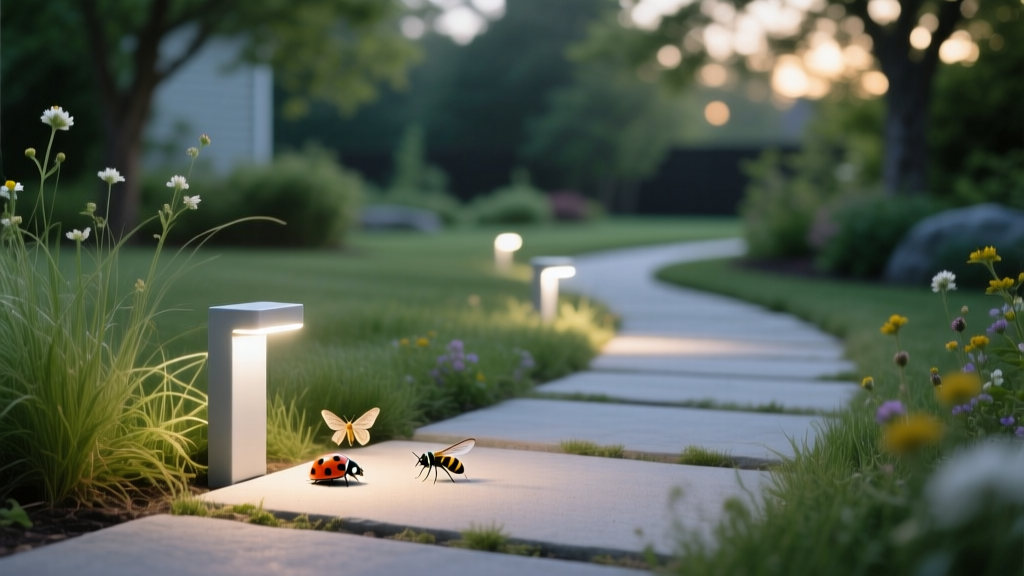
Hampton Bay LED Pathway Lighting: Protect Insects in 2026
Anna KowalskiPublished
The Hidden Impact of Pathway Lighting on Beneficial Insects
As we navigate the landscaping trends of 2026, sustainable garden design has evolved far beyond simply planting native flora or installing rain barrels. Today, the modern eco-conscious homeowner must also consider the profound impact of outdoor illumination on local ecosystems. Pathway lighting is a staple of landscape design, providing safety, navigation, and aesthetic appeal. However, traditional or poorly configured outdoor lighting can severely disrupt the nocturnal activities of beneficial insects that serve as vital bio-control agents in your garden.
Beneficial insects are the unsung heroes of natural pest management. While we often praise daytime pollinators like honeybees and butterflies, the nighttime shift is equally crucial. Nocturnal predators such as ground beetles (Carabidae), rove beetles, and hunting spiders patrol the soil surface and garden beds after dark, consuming vast quantities of destructive pests like slugs, snail eggs, and cutworms. Furthermore, nocturnal pollinators, including various moth species, play a massive role in plant reproduction. According to The Xerces Society for Invertebrate Conservation, artificial light at night (ALAN) disorients these critical species, halting their foraging and mating cycles, which directly weakens your garden's natural bio-control defenses.
Why Hampton Bay Low-Voltage LEDs Are the 2026 Standard
When selecting fixtures that balance human safety with ecological preservation, Hampton Bay low-voltage LED pathway lights have emerged as a top choice for 2026. Unlike older halogen path lights that blast omnidirectional, heat-heavy beams, modern low-voltage LEDs offer precision, energy efficiency, and crucial spectral control. The 2026 lineup of Hampton Bay fixtures frequently features integrated, selectable Color Correlated Temperature (CCT) switches. This allows landscapers and homeowners to physically toggle the light output between cooler and warmer tones directly on the fixture before burial or installation.
Low-voltage systems (typically operating at 12V to 15V) are inherently safer for damp garden environments and allow for modular expansion. More importantly, the directional nature of modern LED diodes means light can be focused exactly where it is needed—on the walking surface—rather than spilling upward into the night sky or horizontally into the sensitive habitats of ground-dwelling predators.
Choosing the Right Color Temperature for Bio-Control
The most critical factor in protecting beneficial insects is the color temperature of your LED pathway lights, measured in Kelvins (K). Insects possess photoreceptors that are highly sensitive to ultraviolet (UV) and blue light spectrums. Cool white or daylight LEDs (4000K and above) emit high levels of blue light, which acts like a magnet for nocturnal insects, drawing them away from their hunting grounds and exhausting them. Conversely, warm light mimics natural firelight and moonlight, causing significantly less ecological disruption. DarkSky International strongly recommends using warm-colored LEDs to minimize wildlife disruption.
| Color Temperature (K) | Visual Appearance | Impact on Nocturnal Bio-Control |
|---|---|---|
| 5000K - 6000K | Daylight / Cool Blue | Severe disruption. Highly attractive to insects; halts ground beetle predation. |
| 3000K | Warm White | Moderate disruption. Acceptable for high-traffic areas, but not ideal near beds. |
| 2700K | Soft White / Amber | Low disruption. Recommended for general pathway use in eco-friendly gardens. |
| 2200K or lower | Candlelight / Deep Amber | Minimal disruption. Best for areas bordering dense bio-control habitats. |
For 2026 installations, we highly recommend purchasing Hampton Bay fixtures that offer a 2200K to 2700K selectable range. Setting your pathway lights to 2700K provides ample visibility for human navigation while remaining largely 'invisible' or uninteresting to the beneficial beetles and moths managing your garden pests.
Strategic Placement and Shielding Techniques
Even the warmest LED will cause disruption if it is poorly placed or unshielded. The goal of ecological pathway lighting is to illuminate the walking surface while keeping the surrounding garden beds in relative darkness. Here are the best placement strategies for Hampton Bay low-voltage fixtures:
- Utilize Directional Hoods: Choose Hampton Bay bollard or tiered path lights that feature solid, opaque caps. These caps act as shields, forcing the light downward and preventing horizontal light trespass into adjacent mulch beds where rove beetles hide during the day and hunt at night.
- Maintain Setbacks: Install pathway lights at least 12 to 18 inches away from the edge of your garden beds. This creates a 'dark buffer zone' immediately inside the soil line, allowing predatory insects to move freely between the soil and plant stems without being exposed to artificial glare.
- Avoid Cross-Illumination: Stagger your lights on alternating sides of the pathway rather than placing them directly opposite one another. This reduces the overall volume of light and prevents the creation of a continuous 'wall of light' that blocks insect migration paths across the walkway.
- Keep it Low: Opt for low-profile Hampton Bay fixtures (under 18 inches in height). The lower the light source, the smaller the radius of illumination, naturally limiting the ecological footprint of your hardscaping.
Smart Controls: Timing Your Lights for Ecological Harmony
In 2026, leaving landscape lights on from dusk until dawn is an outdated and ecologically harmful practice. The peak activity periods for many beneficial insects occur in the deep night, long after human foot traffic has ceased. By integrating your Hampton Bay low-voltage transformer with smart scheduling, you can drastically reduce your garden's light pollution.
Most modern Hampton Bay digital transformers feature built-in astronomical timers or Wi-Fi connectivity. Configure your system to provide full brightness from dusk until 10:00 PM to accommodate evening outdoor activities. Then, program the transformer to dim the pathway lights by 50% or turn off alternating fixtures until 4:00 AM, when early morning activity resumes. This mid-night 'dark window' provides four to six hours of uninterrupted darkness, allowing fireflies to mate and ground beetles to hunt slugs without interference.
Step-by-Step Installation for an Insect-Safe Pathway
Installing an eco-friendly Hampton Bay low-voltage system is a manageable weekend project. Follow these steps to ensure your setup is both functional and safe for local bio-control agents:
- Map the Route and Buffer Zones: Lay out your pathway using marking paint. Ensure the line stays at least 1.5 feet away from dense groundcovers or heavy mulch zones where nocturnal predators nest.
- Set the CCT Switches: Before connecting any wires, locate the small CCT toggle switch on the underside or stem of each Hampton Bay LED fixture. Use a small flathead screwdriver to set every fixture to 2700K or 2200K.
- Lay the Main Cable: Run the 12-gauge or 14-gauge low-voltage cable along the mapped route. Burying the cable 3 to 6 inches deep prevents it from being damaged by future aeration or by foraging animals.
- Connect with Gel Caps: Use silicone-filled wire nuts (gel caps) for all splices. This prevents moisture ingress and ensures your system remains safe for the damp soil environments that beneficial insects require.
- Mount and Angle the Fixtures: Stake the fixtures firmly into the ground. Double-check that the opaque shielding caps are perfectly level so that no light leaks horizontally into the garden beds.
- Program the Transformer: Mount the transformer near a GFCI outlet. Set the astronomical timer to turn off completely between 11:00 PM and 4:00 AM, or utilize a dimming schedule if your specific Hampton Bay transformer model supports it.
By thoughtfully selecting, placing, and controlling your Hampton Bay low-voltage LED pathway lights, you can enjoy a beautifully illuminated landscape in 2026 without sacrificing the natural bio-control systems that keep your garden healthy and thriving. Protecting the night shift is just as important as nurturing the daytime pollinators, and responsible lighting is the first step toward true ecological harmony in your outdoor spaces.

