
Landscaping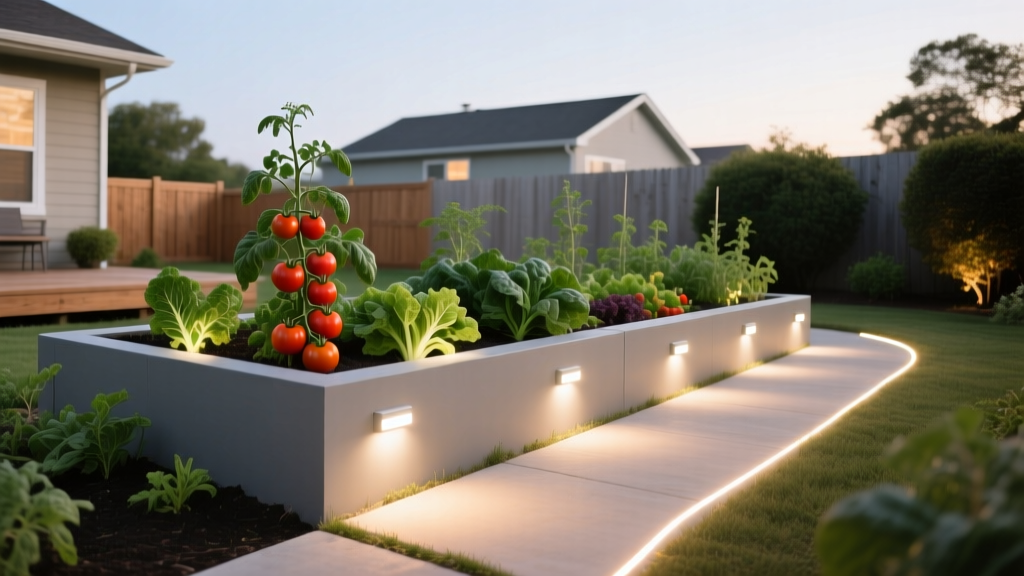
2026 Guide: Hampton Bay LED Path Lights For Raised Beds
Robert HayesPublished
Illuminating Your Raised Bed Vegetable Garden in 2026
As we move through the 2026 growing season, the modern vegetable garden is no longer just a utilitarian space for food production; it is a central feature of residential landscape design. Raised bed vegetable gardening has surged in popularity due to superior soil control, enhanced drainage, and ergonomic benefits. However, as homeowners spend more time enjoying their outdoor living spaces into the evening, the integration of hardscaping and lighting elements becomes crucial. Specifically, pathway lighting with Hampton Bay low-voltage LED fixtures offers a perfect blend of safety, aesthetics, and functionality for navigating between raised beds after dusk. Whether you are checking for early spring frosts, harvesting late-summer tomatoes at twilight, or simply enjoying the visual appeal of your garden at night, the right lighting setup transforms your raised beds into a stunning landscape feature.
The Intersection of Hardscaping and Horticulture
When designing a raised bed layout, pathways are typically spaced 36 to 48 inches apart to allow for wheelbarrow access and comfortable kneeling. In 2026, illuminating these pathways is about more than just curb appeal; it fundamentally extends your gardening hours. Early morning and late evening are often the best times to scout for pests like squash vine borers or hornworms, which are more active in low light. Hampton Bay's low-voltage LED systems provide the necessary illumination without the high energy costs, safety hazards, or complex deep trenching associated with line-voltage (120V) alternatives. By treating the spaces between your raised beds as intentional hardscape corridors, you elevate the entire garden ecosystem.
Why Choose Hampton Bay Low-Voltage LEDs?
Hampton Bay remains a dominant force in residential landscape lighting, and their 2026 low-voltage LED lineup is specifically engineered for longevity and efficiency. Their 12-volt fixtures are celebrated for their weather-resistant construction, often featuring cast aluminum or heavy-duty composite housings that withstand the moisture-rich environments typical of irrigated vegetable gardens. For vegetable gardens, the color temperature of your lights is a critical horticultural consideration. Plants rely on photoperiodism—the physiological reaction to the length of day or night—to trigger flowering and fruiting. Cool, blue-heavy light (5000K and above) can confuse plants and disrupt local pollinator ecosystems. Hampton Bay's warm white LEDs (typically 2700K to 3000K) mimic the natural spectrum of sunset, minimizing ecological disruption while providing excellent visual acuity. Furthermore, organizations like DarkSky International continually emphasize the importance of using warm, shielded lighting to protect nocturnal wildlife and beneficial insects, such as moths and bats, which play vital roles in garden pest control.
Top Hampton Bay Fixture Styles for Raised Bed Pathways
Selecting the right fixture style ensures light is directed downward onto the path, preventing 'light trespass' into the raised beds where it could affect sensitive crops. Below is a comparison of the most effective Hampton Bay styles for raised bed perimeters in 2026.
| Fixture Style | Beam Spread | Best Use Case | Avg. Lumens |
|---|---|---|---|
| Hampton Bay LED Bollard | 360-degree (shielded) | Wide pathways (48+ inches) between large raised bed blocks. | 150-200 |
| Hampton Bay Directional Path Light | 120-degree downward | Narrow paths (36 inches); focuses light strictly on the walking surface. | 100-150 |
| Hampton Bay Hardscape/Paver Light | 60-degree linear | Mounted directly onto the wooden or composite retaining walls of the raised beds. | 50-100 |
For most raised bed vegetable gardens, the Directional Path Light is the superior choice. Its hooded design casts light exactly where you need it—on the mulch or gravel path—while keeping the canopy of your peppers, eggplants, and leafy greens in natural darkness. You can explore the full range of these low-voltage options through the Home Depot Landscape Lighting catalog to match your specific garden aesthetic.
Designing the Layout: Protecting Plant Photoperiods
When mapping out your Hampton Bay fixtures, you must consider the specific light requirements of your vegetables. While most common garden vegetables are day-neutral or long-day plants, excessive artificial light can still cause stress or attract unwanted nocturnal pests. According to guidelines on raised bed gardening from the Old Farmer's Almanac, maintaining a natural environment is key to robust yields. To protect your plants, adhere to these layout rules:
- Height Matters: Keep path lights under 18 inches tall. This ensures the light source remains below the canopy height of most mature vegetables like tomatoes and indeterminate cucumbers.
- Spacing: Place fixtures 8 to 10 feet apart along the pathway. This creates a gentle guiding glow rather than a continuous, glaring runway that could spill over into the soil.
- Shielding: If using bollard styles, ensure they have internal louvers or caps that block upward light spill.
Step-by-Step Installation Around Raised Beds
Installing low-voltage lighting around existing raised beds requires care to avoid damaging the extensive root systems that often extend beyond the bed boundaries. Follow these steps for a clean, professional installation:
1. Map the Wire Run
Lay out your main wire run along the edge of the pathway, keeping it at least 6 inches away from the base of the raised bed. This prevents accidental slicing of the wire when you are refreshing the mulch or edging the beds in the spring.
2. Trenching and Wire Placement
Unlike traditional lawn installations where wire is buried 6 inches deep, pathways between raised beds often consist of wood chips, pea gravel, or stepping stones. You can simply pull back the mulch or gravel, lay the 12-gauge or 14-gauge low-voltage wire flat on the soil, and cover it back up. If you are using stepping stones, run the wire directly beneath them for added protection.
3. Connecting the Fixtures
Hampton Bay fixtures typically use quick-connect gel caps. Pierce the main wire with the fixture's prongs, snap the cap shut, and the silicone gel inside will waterproof the connection. This is vital in vegetable gardens where drip irrigation and soaker hoses frequently create wet soil conditions.
4. Stake Placement
Push the included ground stakes into the soil. If your raised beds are built on top of hardpan clay or compacted soil, pre-drill the stake holes with a long masonry bit or a piece of rebar to avoid bending the stakes.
Transformer Sizing and Wire Management
The transformer is the heart of your Hampton Bay low-voltage system. To size it correctly for your raised bed perimeter, calculate the total wattage of all fixtures and add 20% for safety and future expansion. For example, if you are installing ten 4-watt LED path lights, your total load is 40 watts. A standard 60-watt or 100-watt Hampton Bay transformer will handle this easily. Modern 2026 transformers feature built-in photocells and digital timers. Set the timer to turn the lights on at dusk and off by 11:00 PM. This provides ample light for evening harvesting and entertaining while ensuring the garden returns to total darkness for the benefit of local wildlife and plant respiration.
Seasonal Maintenance for 2026 and Beyond
Vegetable gardens are dynamic, messy environments. Soil splashes, decomposing mulch, and aggressive vine growth can quickly obscure your lighting. To keep your Hampton Bay fixtures performing optimally throughout the 2026 season, incorporate these maintenance tasks into your garden chore list:
- Monthly Lens Cleaning: Wipe the glass or polycarbonate lenses with a damp microfiber cloth. Hard water spots from overhead watering or soaker hoses can reduce light output by up to 30%.
- Prune Encroaching Foliage: Plants like zucchini, pumpkins, and cherry tomatoes will readily spill over the edges of raised beds and bury path lights. Prune or trellis aggressively to keep the light beams clear.
- Check Connections Before Winter: As the growing season ends and you prepare your beds for winter cover crops, inspect all wire connections. The freeze-thaw cycle of winter can heave the soil and expose wires, so ensure everything is securely buried beneath a fresh layer of winter mulch.
By thoughtfully integrating Hampton Bay low-voltage LED pathway lighting into your raised bed vegetable garden, you create a landscape that is as functional and safe as it is beautiful. The right lighting not only extends your time in the garden but also highlights the hard work you have put into your soil, your hardscaping, and your harvest.

