
Landscaping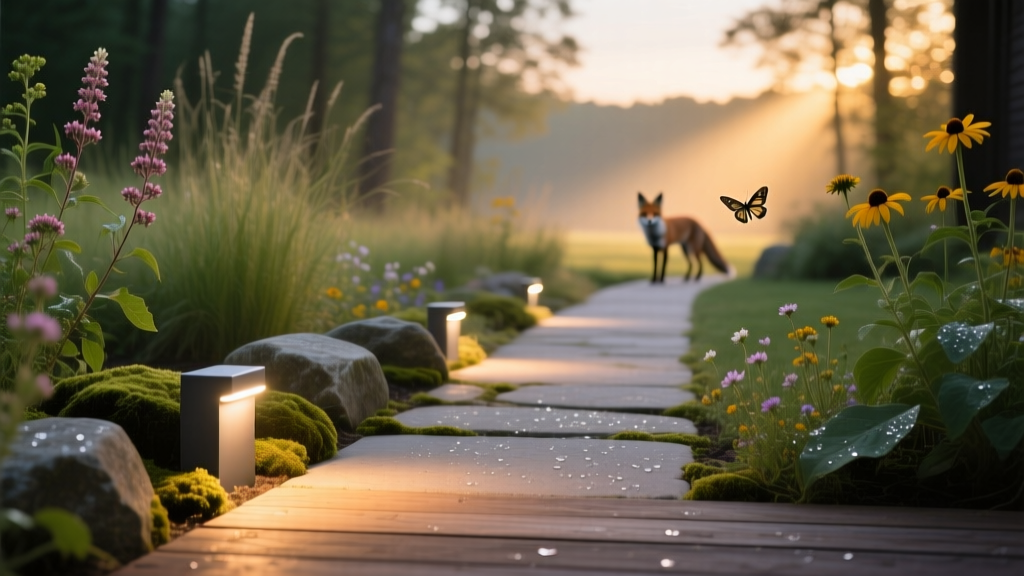
Hampton Bay LED Path Lights: Wildlife-Safe Yard Guide 2026
David ParkPublished
The Intersection of Landscape Lighting and Wildlife Conservation
As we navigate the landscaping trends of 2026, homeowners are increasingly prioritizing ecological stewardship alongside curb appeal. The modern yard is no longer just a visual showcase; it is a vital micro-habitat. One of the most critical aspects of managing this habitat is how we illuminate our outdoor spaces after sunset. Pathway lighting is essential for human safety and navigation, but traditional, unshielded, or overly bright fixtures can wreak havoc on local wildlife. By strategically utilizing Hampton Bay low-voltage LED fixtures, you can create a beautifully lit walkway that respects the circadian rhythms of your local ecosystem.
Light pollution is a growing concern for environmentalists and landscapers alike. Unmanaged outdoor lighting disorients migrating birds, disrupts the hunting patterns of nocturnal predators like owls and foxes, and severely impacts local insect populations, which in turn affects the bats and amphibians that rely on them for food. Fortunately, the latest advancements in low-voltage landscape lighting allow us to strike a perfect balance between human utility and wildlife management.
Why Hampton Bay Low-Voltage LEDs Are Ideal for Eco-Conscious Yards
In 2026, Hampton Bay continues to be a dominant force in the residential landscape lighting market, offering a robust lineup of 12-volt integrated LED fixtures. Unlike older halogen systems that wasted energy and emitted excessive heat, modern Hampton Bay LEDs are highly directional and energy-efficient. This directionality is crucial for wildlife management. By controlling exactly where the light goes, we can illuminate the walking surface without spilling light into the surrounding garden beds where nocturnal animals forage and nest.
Furthermore, low-voltage systems operate at a much safer threshold for both humans and animals. If a fixture is damaged by a passing deer or a burrowing groundhog, the 12-volt current poses no significant shock hazard. The 2026 Hampton Bay catalog features improved heat sinks and precision-molded polycarbonate lenses that reduce glare and eliminate the harsh light scatter that plagues cheaper, generic fixtures.
Choosing the Right Color Temperature for Nocturnal Animals
The most critical factor in wildlife-safe pathway lighting is color temperature, measured in Kelvin (K). Different wavelengths of light affect animal biology in vastly different ways. Blue-rich white light suppresses melatonin production in mammals and birds, while shorter wavelengths are highly visible to insects, drawing them away from their natural habitats and into the path of predators.
According to guidelines published by DarkSky International, outdoor lighting should always be warm, shielded, and only as bright as necessary. When selecting your Hampton Bay fixtures, you must pay close attention to the LED diode specifications or utilize color-correcting lenses.
Light Spectrum Impact on Common Yard Wildlife
| Color Temperature | Kelvin Rating | Wildlife Impact | Best Use Case |
|---|---|---|---|
| Cool White / Daylight | 4000K - 5000K | Severe disruption to insects, bats, and amphibians. Scatters heavily in the atmosphere. | Avoid in residential landscaping entirely. |
| Warm White | 3000K | Moderate disruption. Acceptable only if heavily shielded and directed downward. | Security lighting, high-traffic commercial areas. |
| Soft White | 2700K | Low disruption. Mimics natural firelight and minimizes insect attraction. | Standard pathway lighting, patio perimeters, walkways. |
| Amber / PC | 1800K - 2200K | Minimal impact. Highly recommended for sensitive habitats and coastal areas. | Near water features, wooded edges, turtle and amphibian habitats. |
For most residential pathways, Hampton Bay 2700K integrated LED path lights provide the perfect compromise. They offer enough visual clarity for human navigation while remaining largely unobtrusive to local fauna. If your property borders a wooded area or a pond, consider purchasing amber replacement lenses for your Hampton Bay fixtures to further reduce ecological impact.
Strategic Placement: Shielding and Spacing Hampton Bay Fixtures
Even the warmest light can be disruptive if it is too bright or poorly placed. The goal of wildlife-safe pathway lighting is to create a subtle guide, not a brightly lit runway. In 2026, the standard Hampton Bay 12V Cast Aluminum Bollard and the Low-Voltage LED Tier Path Light remain top choices due to their built-in glare guards and downward-facing optics.
When mapping out your pathway, follow these spacing and placement rules:
- Stagger Your Fixtures: Avoid placing lights directly across from one another, which creates an artificial tunnel effect that can confuse ground-dwelling wildlife. Instead, stagger them in a zig-zag pattern along the edges of the path.
- Maintain Proper Distance: Space your Hampton Bay fixtures 8 to 10 feet apart. Because modern LEDs are highly efficient, you do not need to overcrowd the path to achieve adequate visibility.
- Keep Lumens Low: A pathway light should output between 100 and 200 lumens. Anything brighter will cause light trespass into adjacent garden beds, disrupting the rest cycles of birds and small mammals.
- Utilize Natural Shielding: Plant low-growing, shade-tolerant groundcovers like creeping thyme or liriope around the base of the fixtures. This helps absorb stray horizontal light and grounds the fixture visually in the landscape.
Smart Controls and Timing for Habitat Protection
The National Audubon Society Lights Out program emphasizes that the most effective way to protect wildlife from light pollution is simply to turn the lights off when they are not needed. In a residential setting, pathway lights are rarely necessary after midnight, yet many homeowners leave them on from dusk until dawn.
To solve this, pair your Hampton Bay low-voltage system with a 2026 smart Wi-Fi landscape transformer. These modern transformers, which retail for approximately $85 to $110, allow you to set highly specific schedules via your smartphone. Configure your transformer to turn the pathway lights on at dusk and automatically shut them off at 11:00 PM. This ensures you have safe navigation during evening hours, while returning the yard to darkness during the peak foraging and mating hours for nocturnal wildlife.
Step-by-Step Installation for Minimal Habitat Disruption
The physical installation of your lighting system also requires an ecological mindset. Trenching and digging can disturb burrowing animals, destroy earthworm networks, and sever the shallow roots of mature trees. Follow these best practices when installing your Hampton Bay low-voltage wiring:
- Shallow Trenching: Low-voltage 12-gauge wire only needs to be buried 4 to 6 inches deep. Use a manual trenching tool or a flat spade rather than a gas-powered tiller to maintain precision and avoid harming deep-dwelling amphibians like toads.
- Avoid Root Zones: When routing wire near mature trees, do not trench through the critical root zone (the area under the tree's canopy). Instead, use a directional boring tool or run the wire along the perimeter of the drip line to prevent stressing the tree and the mycorrhizal fungi networks that support it.
- Secure Your Connections: Use silicone-filled wire nuts for all underground connections. This prevents moisture ingress and ensures you will not need to dig up the yard for repairs, which could disturb nesting ground birds or small mammals.
- Mounting the Fixtures: Push the Hampton Bay PVC stakes directly into the soil. If the ground is hard, pre-drill a pilot hole with a narrow soil auger rather than hammering the stake, which can send shockwaves through the soil and disturb sensitive earthworm populations.
Maintaining Your Wildlife-Safe Lighting System
A well-maintained lighting system is a safe lighting system. Over time, dirt, pollen, and spiderwebs can accumulate on the lenses of your Hampton Bay fixtures. This debris diffuses the light, causing it to scatter outward and upward rather than staying focused on the path. Schedule a bi-annual maintenance routine to wipe down the polycarbonate lenses with a damp microfiber cloth and a mild, eco-friendly soap. Avoid harsh chemical cleaners that could wash into the soil and harm beneficial soil microbes or local pollinators.
Additionally, inspect the fixtures periodically to ensure they have not been tilted by passing animals or landscaping equipment. A tilted path light will cast beams into the tree canopy or neighboring yards, contributing to the very light pollution you are trying to avoid.
Conclusion
Landscaping in 2026 is about creating harmony between human living spaces and the natural world. By choosing Hampton Bay low-voltage LED pathway lights, selecting the correct 2700K color temperature, employing smart scheduling, and installing the system with ecological sensitivity, you can enjoy a stunning, safe walkway without compromising the health of your local wildlife. Thoughtful lighting design proves that we do not have to conquer the night to appreciate our outdoor spaces; we simply need to respect it.

