
Landscaping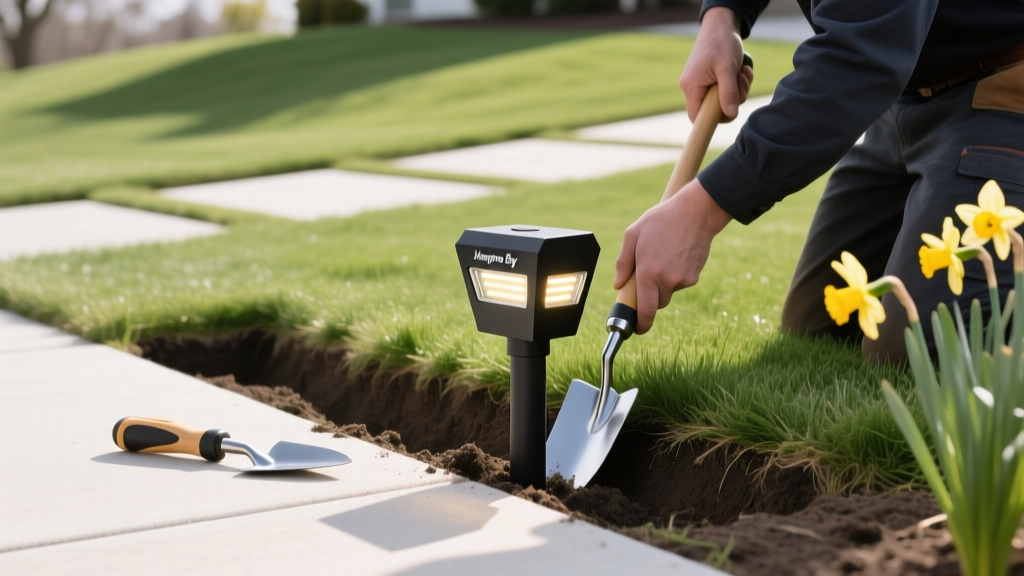
Hampton Bay Pathway Lighting and Core Aeration Guide 2026
Anna KowalskiPublished
The Intersection of Turf Health and Hardscape Illumination
Landscaping in 2026 requires a meticulous balance between subterranean turf management and above-ground aesthetic design. Two of the most critical tasks for a premium outdoor space are core aeration and the installation of hardscape illumination. Core aeration is the undisputed champion of lawn health, alleviating soil compaction, reducing thatch buildup, and allowing vital oxygen, water, and nutrients to penetrate the root zone. Simultaneously, pathway lighting elevates the safety, security, and visual appeal of your garden beds and walkways. However, when homeowners attempt to combine these two essential landscaping practices, a hidden conflict arises. Installing and maintaining Hampton Bay low-voltage LED pathway fixtures requires running wiring through the very soil that needs to be aggressively aerated. This comprehensive guide explores how to seamlessly integrate Hampton Bay pathway lighting with your annual core aeration schedule in 2026, ensuring your turf remains pristine and your illumination remains uninterrupted.
The Hidden Danger: Core Aerators vs. Low-Voltage Wiring
The mechanical process of core aeration involves heavy machinery equipped with hollow metal tines that plunge into the earth, extracting soil plugs that are typically two to three inches deep, and sometimes up to four inches in highly compacted or clay-heavy soils. According to turfgrass experts at the University of Minnesota Extension, removing these plugs is essential for long-term lawn vitality. However, low-voltage landscape lighting wires are frequently buried at depths ranging from three to six inches. If your Hampton Bay low-voltage wiring was installed haphazardly or has shifted upward due to frost heave over the winter, the hollow tines of a core aerator can easily catch, sever, or strip the 12-gauge or 14-gauge copper wiring. A single severed wire will instantly darken your entire Hampton Bay LED pathway run, leading to frustrating troubleshooting sessions and costly repairs.
Strategic Sequencing: Timing Your 2026 Landscape Projects
To avoid catastrophic damage to your Hampton Bay lighting system, strategic sequencing of your landscaping projects is non-negotiable. If you are planning a new installation of Hampton Bay low-voltage LED pathway lights in 2026, you must complete all trenching, wire laying, and backfilling before you schedule your seasonal core aeration. Ideally, trench your wires to a depth of at least six inches. While the Clemson University Cooperative Extension notes that low-voltage wiring does not legally require the deep trenching of line-voltage electrical lines, burying your Hampton Bay cables at a minimum of six inches ensures they remain safely below the maximum reach of standard aerator tines. If you are working with an existing lighting system, you must meticulously map your wire routes using landscape flags or a digital wire tracer before the aerator touches your lawn.
2026 Hampton Bay Low-Voltage LED Pathway Fixtures
The 2026 lineup of Hampton Bay low-voltage LED pathway fixtures brings remarkable advancements in both energy efficiency and physical design. Modern Hampton Bay LED domes and bollards feature integrated, non-replaceable LED diodes that draw a fraction of the wattage of older halogen models, significantly reducing voltage drop over long wire runs. This means you can use lighter-gauge wire for shorter runs, though 12-gauge wire remains the best practice for main lines running through aerated lawn zones. Furthermore, the 2026 smart transformers from Hampton Bay include Wi-Fi connectivity and advanced diagnostic displays. If an aerator tine does manage to nick a wire and cause a short circuit, the smart transformer will immediately display a fault code and zone number, saving you hours of manual multimeter testing.
Wire Burial Depths and Aeration Tine Clearances
Understanding the physical relationship between your lighting infrastructure and your lawn care equipment is vital for a damage-free landscape. The table below outlines the recommended depths for installing Hampton Bay pathway lighting relative to standard core aeration practices.
| Landscaping Element | Recommended Depth | Aeration Risk Level | 2026 Best Practice |
|---|---|---|---|
| Hampton Bay Main Wire (12-Gauge) | 6 to 8 inches | Low | Trench before aeration; use sand base for drainage. |
| Hampton Bay Spur Wire (16-Gauge) | 4 to 5 inches | Moderate | Mark with landscape flags prior to aerator deployment. |
| LED Fixture Stakes | Surface to 6 inches | High | Remove or flag fixtures near aerator turning radiuses. |
| Core Aerator Tines | 2 to 4 inches | N/A | Ensure tines are clear of marked wire zones. |
The Aeration Plug Backfill Hack
One of the most innovative landscaping hacks for 2026 involves utilizing the byproduct of core aeration to assist with lighting maintenance. When you aerate your lawn, the machine leaves behind thousands of nutrient-rich soil plugs on the surface. If you need to make shallow repairs to your Hampton Bay pathway lighting wire, or if you are adding a new spur to an existing line, you can use these freshly extracted aeration plugs to backfill your shallow trenches. Simply crumble the dry soil plugs over the exposed Hampton Bay wire and sweep them into the trench. This not only hides the disturbance in your lawn but also top-dresses the trench with the exact soil composition native to your yard, promoting seamless turf recovery around your lighting fixtures.
Moisture Management and Waterproof Connections
Moisture management is another critical factor where aeration and lighting intersect. Core aeration drastically improves soil drainage and reduces surface water pooling. This is highly beneficial for your Hampton Bay low-voltage wire connections. In poorly drained, compacted soils, wire nuts and silicone-filled gel connectors can degrade prematurely due to constant moisture exposure and freeze-thaw cycles. By aerating the soil surrounding your pathway lights, you ensure that water quickly percolates downward rather than lingering around your wire splices. When making connections in 2026, always use Hampton Bay’s waterproof silicone-filled direct burial connectors. These connectors encapsulate the copper splice, preventing the oxidation that leads to voltage drop and flickering LEDs. Combining superior waterproof connectors with the enhanced drainage provided by annual core aeration guarantees that your pathway lighting will withstand the harshest weather conditions for years to come.
Protecting the Transformer and Smart Hubs
Protecting the central hub of your lighting system is just as important as protecting the wires. Hampton Bay smart transformers and photocell sensors should be mounted on a sturdy wooden post, a retaining wall, or a dedicated hardscape pad, well away from the primary aeration zones. When turning the heavy core aerator around at the end of a pass, operators often drop the tines near the home's foundation or near garden bed borders where transformers are typically located. Establish a clearly marked no-aeration buffer zone of at least two feet around your Hampton Bay transformer and any above-ground wire junctions to prevent accidental impact damage from the heavy machinery.
Sustainable Landscaping and Energy Efficiency
Finally, consider the integration of sustainable landscaping practices with your lighting design. The U.S. Department of Energy highlights that modern solid-state LED lighting drastically reduces outdoor energy consumption. By pairing Hampton Bay's high-efficiency LED pathway lights with the vigorous root growth stimulated by core aeration, you create a landscape that is both ecologically sound and visually stunning. The deep roots fostered by aeration require less supplemental watering, and the low-wattage Hampton Bay LEDs reduce your electrical footprint. Together, these practices define the pinnacle of 2026 landscape management, proving that rigorous turf care and elegant hardscape illumination can coexist beautifully when planned with precision and expertise.

