Lawn Care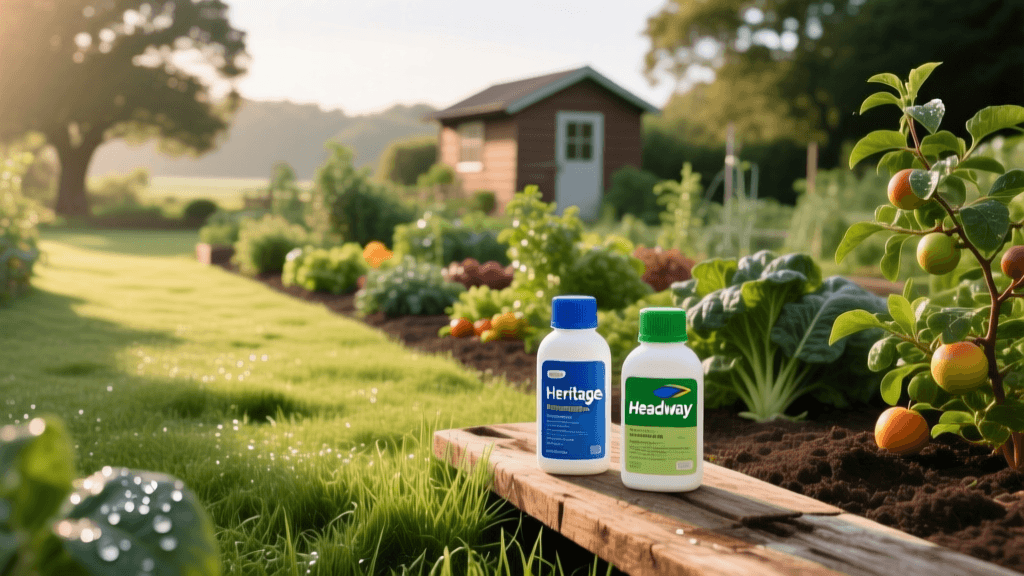
Heritage vs Headway Fungicide for Brown Patch in 2026 Foodscapes
The Rise of the Modern Foodscape and the Brown Patch Threat
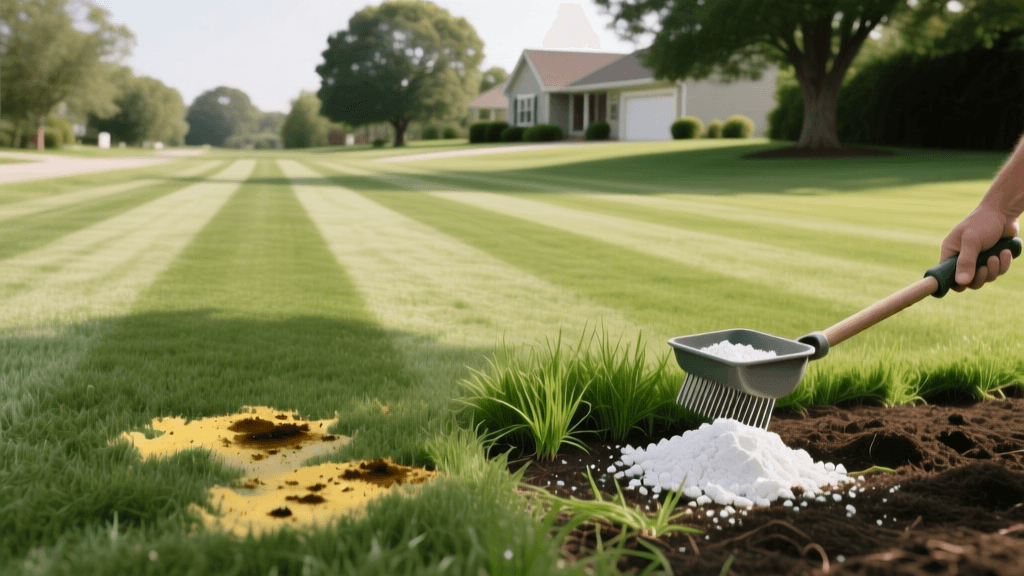
In 2026, the integration of edible landscaping and foodscaping has completely transformed residential yard design. Homeowners are no longer relegating vegetable gardens to the back corner; instead, they are weaving fruit trees, raised cedar beds, and edible groundcovers directly into the primary landscape. However, this beautiful integration of turfgrass pathways and edible zones creates a unique challenge when turf diseases strike. Brown patch, caused by the aggressive fungal pathogen Rhizoctonia solani, remains one of the most devastating diseases for cool-season and warm-season turfgrasses alike. When the turf pathways and borders of your foodscape are under attack, selecting the right fungicide is critical—not just for saving the grass, but for protecting your edible harvest.
According to the North Carolina State University Extension, brown patch thrives in high humidity and warm nighttime temperatures, presenting as circular, brown, sunken patches often bordered by a dark 'smoke ring.' In a foodscape, treating these turf areas requires a delicate balance. Two of the most prominent professional-grade fungicides on the market are Heritage (azoxystrobin) and Headway (azoxystrobin plus propiconazole). While both are highly effective against Rhizoctonia solani, their chemical profiles, modes of action, and safety parameters near edible zones differ significantly. Understanding these differences is paramount for any foodscape manager in 2026.
Understanding Heritage and Headway: Chemistry and Efficacy
Before comparing these products, it is vital to establish a fundamental rule of edible landscaping: Neither Heritage nor Headway is labeled for direct application on edible crops, vegetables, or fruit-bearing plants. These products are strictly formulated for turfgrass and ornamental plants. In a foodscape, they are used exclusively to treat the turfgrass borders, living pathways, and decorative lawn zones that surround your edible beds. The goal is to eradicate the fungus in the turf without allowing chemical drift, soil runoff, or leaching to contaminate the edible zones.
Heritage SC (Azoxystrobin)
Heritage is a strobilurin fungicide belonging to FRAC Group 11 (Quinone outside Inhibitors, or QoIs). It works by inhibiting fungal respiration, effectively starving the pathogen. Heritage is renowned for its systemic and translaminar movement, meaning it is absorbed by the leaf tissue and moves upward through the plant's xylem. It provides excellent preventative control and has a relatively favorable environmental profile regarding soil-dwelling organisms, making it a popular choice for landscapes where soil biology is a priority.
Headway SC (Azoxystrobin + Propiconazole)
Headway combines the Group 11 strobilurin (azoxystrobin) with a Group 3 triazole (propiconazole). Triazoles are Demethylation Inhibitors (DMIs) that stop the synthesis of ergosterol, a vital component of fungal cell membranes. This dual-action approach provides both preventative and curative properties. Headway is often considered the 'heavy hitter' for active, severe brown patch outbreaks because the propiconazole component can halt an infection that has already penetrated the leaf tissue. However, propiconazole is known to have a mild plant growth regulation (PGR) effect, which can temporarily stunt turfgrass growth, and it requires more careful handling near sensitive ornamental and edible root zones.
Feature Comparison: Heritage vs. Headway for Turf Zones
| Feature | Heritage SC | Headway SC |
|---|---|---|
| Active Ingredients | Azoxystrobin (22.9%) | Azoxystrobin (11.4%) + Propiconazole (11.4%) |
| FRAC Groups | Group 11 (QoI) | Group 11 (QoI) + Group 3 (DMI) |
| Primary Action | Preventative & Early Curative | Preventative & Strong Curative |
| Soil Microbiome Impact | Low to Moderate | Moderate (Triazoles can affect some soil fungi) |
| Plant Growth Regulation | None | Mild PGR effect (slows turf growth) |
| 2026 Est. Cost (Per Gallon) | $140 - $160 | $170 - $190 |
| Best Use Case in Foodscapes | Preventative maintenance near sensitive buffer zones | Curative treatment for severe outbreaks in distant turf borders |
The Foodscaping Challenge: Drift, Runoff, and Buffer Zones
The primary concern when using synthetic fungicides in an edible landscape is cross-contamination. In 2026, integrated pest management (IPM) standards emphasize strict spatial awareness. The Environmental Protection Agency (EPA) highlights that minimizing pesticide drift and runoff is essential for protecting non-target plants and local watersheds. In a foodscape, your 'non-target plants' are the very crops you intend to eat.
Establishing the 2026 Buffer Zone Protocol
When treating turf pathways with Heritage or Headway, you must establish a physical buffer zone between the spray area and your raised beds or in-ground edible plots. A minimum buffer of 3 to 5 feet is recommended. If your turfgrass grows directly up to the edge of a raised vegetable bed, you should switch to manual edge-trimming and utilize organic, OMRI-listed treatments for the immediate perimeter to eliminate the risk of chemical overspray landing on your lettuce, tomatoes, or herbs.
Application Techniques to Prevent Drift
- Nozzle Selection: Use air-induction nozzles that produce large, heavy droplets. Fine mist nozzles create aerosolized particles that can easily float into your edible canopy.
- Wind and Weather: Never apply Heritage or Headway when wind speeds exceed 5 mph, and avoid applications if rain is forecasted within 24 hours to prevent surface runoff into your garden beds.
- Shielded Sprayers: For turf borders immediately adjacent to edible zones, use a sprayer equipped with a physical drift shield or a targeted wand applicator rather than a broadcast boom.
Soil Microbiome Considerations in Edible Landscapes
A thriving foodscape relies heavily on a robust soil food web. Mycorrhizal fungi and beneficial bacteria are essential for nutrient uptake in your edible plants. While Heritage (azoxystrobin) is generally considered safer for earthworms and broad soil biology, Headway's propiconazole component is a broad-spectrum fungicide that can temporarily suppress beneficial soil fungi if it leaches into the garden beds. Therefore, Headway should be reserved for turf areas that are hydrologically isolated from your edible zones—meaning the land slopes away from your garden beds, preventing contaminated water from pooling in your harvest areas.
Safe Alternatives for the Edible Zones
If you notice fungal issues resembling brown patch or other blights actually affecting your edible crops, or if you need to treat a micro-clover living mulch directly intertwined with your vegetables, you must abandon synthetic turf fungicides. Instead, look to the Organic Materials Review Institute (OMRI) for approved, food-safe alternatives. For edibles, copper-based fungicides (like copper octanoate) and biological controls such as Bacillus amyloliquefaciens or Bacillus subtilis are highly effective against a wide spectrum of fungal pathogens and are completely safe for use on food crops right up to the day of harvest.
Cultural Practices: The First Line of Defense
No fungicide, whether Heritage or Headway, can outperform poor cultural practices. In a foodscape, the microclimate is often more humid due to the dense foliage of surrounding edible plants, creating a perfect incubator for Rhizoctonia solani. To reduce reliance on chemical interventions in 2026, implement the following cultural controls:
- Strategic Irrigation: Water your turf pathways deeply but infrequently, and only in the early morning. Avoid evening watering, which leaves the grass blades wet overnight, triggering brown patch spore germination.
- Canopy Pruning: Prune the lower branches of nearby fruit trees and tomato cages to increase airflow across the turf pathways, reducing ambient humidity at the soil line.
- Mowing Height: Maintain your turf borders at the highest recommended height for your specific grass species. Taller grass shades the soil, keeping root zones cooler and less stressed.
- Aeration: Core aerate compacted turf pathways in the spring and fall to improve drainage and reduce the thatch layer where fungal sclerotia overwinter.
Conclusion: Balancing Turf Health and Edible Safety
Managing brown patch in a 2026 foodscape requires a nuanced, zone-specific approach. Heritage and Headway are both exceptional tools for preserving the aesthetic and functional turf pathways that weave through your edible landscape. Heritage offers a safer, preventative approach with minimal impact on surrounding soil biology, making it ideal for turf zones near garden borders. Headway provides unparalleled curative power for severe outbreaks but demands strict adherence to buffer zones and runoff management due to its triazole component. By respecting the boundaries between your turf and your edibles, utilizing precision application techniques, and prioritizing cultural health, you can maintain a pristine, disease-free landscape that yields both beautiful grass and a bountiful, safe harvest.