Pest Control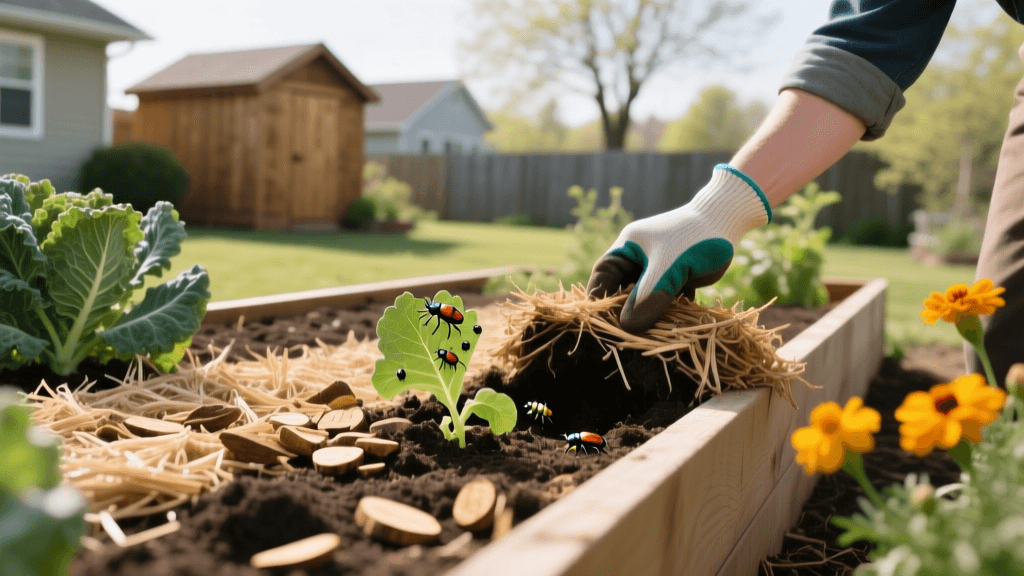
2026 IPM Scouting Calendar: Mulch Types & Pest Control
Introduction to IPM and Mulch Interactions in 2026
As we navigate the 2026 growing season, integrated pest management (IPM) has evolved from a reactive pest control strategy into a proactive, ecosystem-based approach. For home gardeners, understanding the intersection between mulching methods and pest life cycles is no longer optional—it is essential. Mulch is traditionally viewed through the lens of weed suppression and moisture retention, but beneath the surface, it acts as a critical microclimate modifier. The type of mulch you select directly dictates soil temperature, humidity levels, and the availability of overwintering habitats for both beneficial insects and destructive pests.
According to the EPA's IPM principles, effective pest management relies on continuous monitoring and understanding the environmental conditions that allow pests to thrive. In 2026, with shifting climate patterns leading to unpredictable spring thaws and extended autumn warmth, your IPM scouting calendar must be tightly synchronized with your mulching materials. Applying the wrong mulch at the wrong time can inadvertently harbor slugs, invite fungus gnats, or disrupt the emergence of predatory ground beetles. This comprehensive guide will walk you through a mulch-specific scouting calendar, ensuring your garden remains resilient and productive throughout the year.
How Mulching Materials Influence Pest Habitats
Before diving into the seasonal calendar, it is crucial to understand how different mulch categories alter the garden ecosystem. Each material creates a unique subterranean and surface-level environment that attracts specific pest pressures.
Organic Mulches: Straw, Wood Chips, and Pine Needles
Organic mulches break down over time, enriching the soil with organic matter. However, their moisture-retaining properties make them prime real estate for moisture-loving pests.
- Straw and Grass Clippings: Excellent for vegetable beds, straw provides a cool, damp canopy. While this encourages beneficial predators like ground beetles and spiders, it is also a notorious haven for slugs, snails, and earwigs. The hollow stems of straw can even harbor certain stem-boring insects if not properly sourced.
- Wood Chips and Shredded Bark: Ideal for perennial beds and shrub borders, wood chips break down slowly. If applied too thickly or kept excessively wet, the decaying interface between the mulch and soil becomes a breeding ground for fungus gnats and root aphids. Furthermore, piling wood chips against the foundation of a home can invite subterranean termites.
- Pine Needles (Straw): Highly acidic and slow to decompose, pine needles are perfect for ericaceous plants like blueberries and azaleas. They generally repel soft-bodied pests due to their sharp texture but can harbor overwintering pine weevils and specific borers if sourced from infested areas.
Inorganic and Reflective Mulches
Inorganic mulches do not contribute to soil biology but offer unique pest-control advantages.
- Reflective Silver Plastic Mulch: A staple in commercial agriculture, biodegradable PLA (polylactic acid) reflective mulches have become highly accessible for home gardeners in 2026. The silver reflection disorients incoming aphids, thrips, and whiteflies, effectively delaying their colonization of crops like peppers and tomatoes by up to four weeks.
- Gravel and Crushed Stone: While excellent for heat-loving plants and xeriscaping, gravel retains heat and offers poor shelter for slugs. However, the warm, dry crevices can attract certain species of ants and spider mites during peak summer droughts.
The 2026 IPM Mulch-Based Scouting Calendar
Timing is everything in IPM. The calendar below outlines when and how to scout for pests based on the mulch materials present in your garden beds. By aligning your scouting efforts with the specific vulnerabilities created by your mulch, you can intervene before pest populations cross the economic or aesthetic damage threshold.
| Season / Months | Primary Mulch Material | Target Pests | Scouting Method & Timing | 2026 IPM Action Threshold |
|---|---|---|---|---|
| Early Spring (Mar - Apr) |
Straw / Compost | Slugs, Snails, Cutworms | Night scouting with a flashlight; inspect soil-mulch interface. | More than 2 slugs per plant; apply 2026 iron phosphate + spinosad bait. |
| Late Spring (May - Jun) |
Reflective Plastic | Aphids, Thrips, Whiteflies | Deploy yellow and blue sticky cards just above the mulch canopy. | Remove reflective mulch when plants flower to allow pollinator access; scout undersides of leaves. |
| Mid-Summer (Jul - Aug) |
Wood Chips / Bark | Fungus Gnats, Sowbugs, Earwigs | Check mulch moisture with a smart probe; turn top layer to expose to sun. | Presence of adult gnats indoors/near patios; reduce irrigation, apply beneficial nematodes (Heterorhabditis bacteriophora). |
| Early Fall (Sep - Oct) |
Pine Needles / Leaves | Overwintering Borers, Weevils | Inspect base of shrubs and trees for frass (sawdust) or weeping sap. | Any sign of boring; clear mulch 3 inches from trunk, apply dormant horticultural oil. |
| Winter (Nov - Feb) |
All Organic Mulches | Rodents (Voles, Mice) | Look for runways beneath snow cover and mulch layers. | Chewed bark on young trees; pull mulch back from trunks, install hardware cloth guards. |
Seasonal Scouting Strategies by Mulch Type
Spring: Managing Moisture-Loving Pests in Straw Beds
As soil temperatures rise in March and April, gardeners typically apply straw mulch to warm-season vegetable transplants. While the straw protects young roots from temperature fluctuations, it creates an ideal humid corridor for slugs and snails. According to the UC Statewide IPM Program, slugs are nocturnal and require high humidity to remain active. Your scouting protocol must shift to evening hours. Use a high-lumen LED flashlight to inspect the undersides of lower leaves and the soil surface beneath the straw. In 2026, the gold standard for organic control in these beds is a combination bait containing iron phosphate and spinosad, which is highly effective and safe for pets and wildlife.
Summer: Fungus Gnats and the Wood Chip Interface
By July, wood chip mulches in ornamental beds can become a liability if automated irrigation systems are overwatering. The decaying fungi that break down the wood chips are the primary food source for fungus gnat larvae. Scouting in mid-summer involves more than just looking at the plants; it requires monitoring the mulch itself. Utilize a digital soil moisture sensor inserted through the mulch layer into the top two inches of soil. If the reading consistently shows high moisture, and you notice tiny black flies hovering near the soil surface, it is time to intervene. Pull back the mulch to allow the soil to dry, and apply a soil drench of beneficial nematodes, which actively hunt gnat larvae in the dark, moist environments beneath the chips.
Fall and Winter: Rodent Runways and Trunk Protection
As autumn arrives, thick layers of leaves and pine needles provide excellent insulation for plant roots, but they also offer cover for voles and mice seeking winter shelter. These rodents will chew through the bark of young fruit trees and ornamental shrubs, often girdling and killing them beneath the snow line where damage goes unnoticed until spring. Scouting in November involves physically parting the mulch to inspect the base of woody plants. The University of Minnesota Extension strongly recommends maintaining a 'mulch-free donut' of at least three inches around the base of all trees and shrubs to eliminate this hidden winter habitat.
Advanced Monitoring Tools for Mulched Beds in 2026
The modern home gardener has access to technology that makes IPM scouting significantly more accurate. In 2026, integrating smart garden sensors with your mulching strategy is a game-changer for pest prevention.
- Wireless Soil Moisture Probes: By placing Bluetooth-enabled moisture probes beneath wood chip and compost layers, you can receive smartphone alerts when the soil-mulch interface becomes too saturated, allowing you to cut irrigation before fungus gnats and root rot pathogens can establish.
- Smart Sticky Traps: New camera-equipped sticky cards can be placed just above reflective mulch canopies. These devices use basic AI to count and identify trapped thrips and whiteflies, sending you a weekly population trend report so you know exactly when to release predatory insects like Amblyseius swirskii.
- Degree-Day Tracking Apps: Pests emerge based on accumulated heat, not calendar dates. By using localized degree-day tracking apps in 2026, you can time your mulch application and subsequent scouting trips to coincide precisely with the hatching of specific pests, such as the European pine sawfly or the first generation of codling moths.
Conclusion
Mastering the 2026 IPM scouting calendar requires a fundamental shift in how we view mulch. It is not merely a decorative topping or a passive weed barrier; it is an active, dynamic component of your garden's pest management ecosystem. By understanding the specific microclimates created by straw, wood chips, pine needles, and reflective plastics, you can anticipate pest pressures before they cause visible damage. Align your scouting routines with your mulching materials, leverage modern monitoring technology, and utilize targeted, organic interventions to maintain a thriving, balanced garden all year long.