Pest Control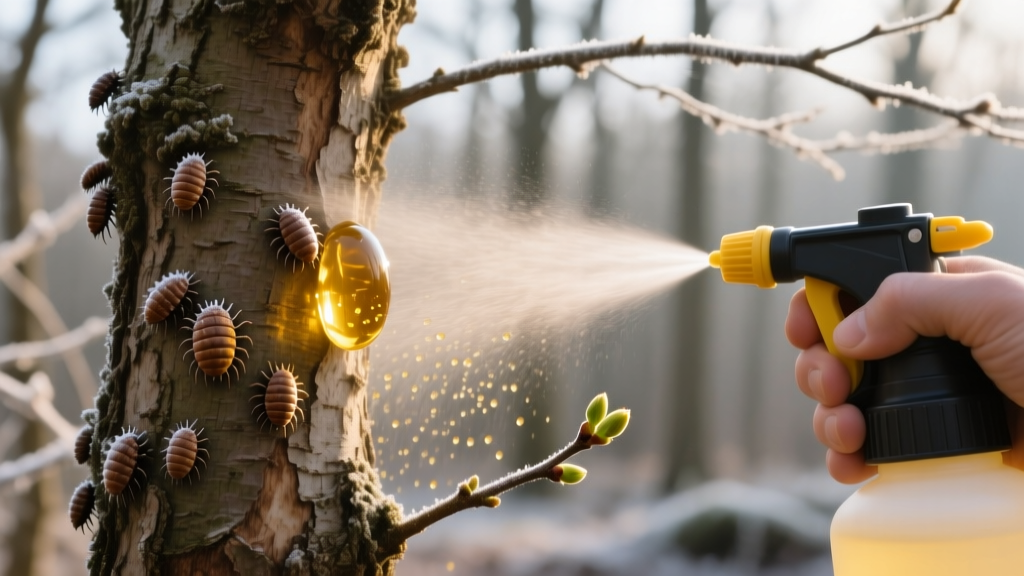
Dormant Horticultural Oil For Scale Insect Control 2026
Lisa ThompsonPublished
Integrating Tree Selection and Pest Management in 2026
When planning a new landscape or adding specimen trees to your yard, the first line of defense against pests begins long before you dig the first hole. Tree selection and proper planting techniques are foundational to Integrated Pest Management (IPM). However, even the most carefully selected and perfectly planted trees can fall victim to stubborn, sap-sucking pests like scale insects. As we move through the 2026 growing season, scale insects remain a primary concern for arborists and home gardeners alike. These pests weaken trees, excrete sticky honeydew, and promote the growth of unsightly sooty mold.
While selecting scale-resistant cultivars and minimizing transplant shock are critical, having a reliable treatment protocol is essential. Dormant horticultural oil is one of the most effective, environmentally responsible, and cost-efficient tools available for managing scale populations. By applying this treatment during the late winter or early spring dormancy period, you can drastically reduce overwintering pest populations before they have a chance to multiply and damage your newly planted or established trees.
The Role of Tree Selection in Scale Prevention
Scale insects are notorious for targeting stressed trees. When selecting trees for your landscape, prioritizing native species or those well-adapted to your local hardiness zone will naturally reduce plant stress, making them less attractive to pests. For example, if you live in an area prone to summer droughts, planting a shallow-rooted, moisture-dependent tree will guarantee stress, which in turn triggers a biological response that makes the tree's sap more appealing to scale insects and borers.
Furthermore, certain tree species are highly susceptible to specific scale insects. Euonymus shrubs and trees are magnets for euonymus scale, while magnolias frequently suffer from magnolia scale. If your design requires these susceptible species, you must proactively integrate dormant oil sprays into your annual maintenance calendar. Conversely, selecting resistant alternatives—such as planting a native serviceberry (Amelanchier) instead of a susceptible ornamental pear—can reduce your reliance on chemical and oil-based interventions.
What is Dormant Horticultural Oil?
Horticultural oils are highly refined petroleum-based or plant-based (like neem or cottonseed) oils designed to control pests through physical rather than chemical means. When sprayed onto the bark and branches of dormant trees, the oil coats the overwintering insects and their eggs, effectively blocking their spiracles (breathing pores) and suffocating them. According to the University of Minnesota Extension, because oils work mechanically, pests are highly unlikely to develop genetic resistance to them, making oils a cornerstone of sustainable IPM programs.
Dormant oils are specifically formulated to be applied when trees are fully dormant (typically late winter to early spring, before bud break). They are applied at a higher concentration than 'summer oils' to penetrate the thick, waxy protective coverings that scale insects secrete to survive freezing winter temperatures. In 2026, highly refined all-season horticultural oils dominate the market, allowing for safer application with a lower risk of phytotoxicity (plant damage) compared to older, heavier formulations.
Common Scale Insects Targeted by Dormant Sprays
Identifying the specific scale insect on your tree is crucial for timing your dormant spray correctly. Different species overwinter in different life stages. Below is a comparison chart of common scale insects and their susceptibility to dormant horticultural oil.
| Scale Species | Common Host Trees | Overwintering Stage | Dormant Oil Efficacy |
|---|---|---|---|
| Oystershell Scale | Ash, Aspen, Dogwood, Maple | Eggs under female cover | Excellent |
| Euonymus Scale | Euonymus, Pachysandra | Mated females / nymphs | Very Good |
| Magnolia Scale | Magnolia species | First-instar nymphs (crawlers) | Good (requires thorough coverage) |
| Pine Needle Scale | Pine, Spruce, Hemlock | Eggs under female armor | Excellent |
| San Jose Scale | Fruit trees, Ornamental crabapples | Immature nymphs (black caps) | Excellent |
For a comprehensive breakdown of scale life cycles and regional variations, the University of California Agriculture and Natural Resources (UC ANR) IPM Pest Notes provide an invaluable, continually updated database for accurate identification.
Step-by-Step Application Guide for 2026
Applying dormant oil requires precision regarding weather, timing, and mixing ratios. Here is how to execute a flawless dormant spray application this year.
1. Timing and Weather Conditions
The ideal window for dormant spraying is late winter or very early spring, just before the tree's buds begin to swell and show green tissue. You must monitor the weather forecast closely. Apply the oil when daytime temperatures are expected to remain between 40°F and 70°F for at least 24 hours after application. Freezing temperatures before the oil dries can cause severe cellular damage to the tree bark, while excessively hot days can lead to rapid evaporation and reduced efficacy.
2. Choosing the Right Product and Mixing
In 2026, top-rated products like Bonide All Seasons Horticultural & Dormant Insect Spray and Monterey Horticultural Oil remain industry standards for residential use. A 16-ounce bottle of concentrated oil typically costs between $15 and $22, making it highly economical for treating multiple trees.
- Dormant Rate: Mix at a 2% to 4% solution (approximately 2.5 to 5 fluid ounces of oil per gallon of water) to target overwintering scale eggs and adults.
- Summer Rate: If you miss the dormant window and must spray during the growing season, reduce the concentration to a 1% to 2% solution (1 to 2.5 fluid ounces per gallon) to avoid burning the foliage.
Always add the oil to the water in your pump sprayer, not the other way around, and shake the sprayer frequently during application to keep the oil emulsified.
3. Application Technique
Scale insects often hide in the crevices of bark, on the undersides of branches, and at branch crotches. Use a 1-to-2-gallon pump sprayer for smaller trees or a hose-end sprayer for larger specimens. Spray the trunk, all branches, and twigs until the oil is visibly dripping. Thorough coverage is non-negotiable; the oil must physically contact the pest to suffocate it.
Planting Practices to Support Long-Term IPM
A dormant spray will knock down the current population of scale insects, but if the tree remains stressed, new infestations will inevitably follow. Proper planting practices are your long-term insurance policy.
- Root Flare Placement: When planting, ensure the root flare (where the trunk widens at the base) is slightly above the soil grade. Planting too deep suffocates roots and induces chronic stress.
- Mulching: Apply a 2-to-3-inch layer of organic mulch around the base of the tree, extending to the drip line. Keep the mulch at least 3 inches away from the trunk to prevent rot and rodent damage. Never 'volcano mulch' against the trunk.
- Deep Watering: Newly planted trees require deep, infrequent watering to encourage deep root growth. Use a soaker hose or slow-drip irrigation rather than frequent, shallow sprinkler cycles.
By combining these planting guidelines with an annual dormant oil application, you create a robust defense system that allows your trees to thrive.
Safety, Phytotoxicity, and Environmental Considerations
One of the greatest advantages of horticultural oil is its low toxicity to humans, pets, and beneficial insects. Because it is applied during the dormant season, it will not harm pollinators like bees or butterflies, which are not active. Furthermore, once the oil dries, it leaves no toxic residue, meaning it will not harm beneficial predatory insects (like ladybugs and parasitic wasps) that arrive later in the spring to provide natural pest control.
However, phytotoxicity is a risk if used incorrectly. Some tree species are highly sensitive to horticultural oils, even during dormancy. Avoid spraying dormant oil on blue spruce, junipers, arborvitae, and Japanese maples, as the oil can strip their protective waxy cuticles, leading to discoloration and dieback. Additionally, never apply horticultural oil within 30 days of using a sulfur-based fungicide, as the combination creates a phytotoxic acid that will severely burn the tree tissue.
For more detailed safety guidelines and specific plant sensitivities, consult the Penn State Extension Horticultural Oils guide, which provides excellent, research-backed parameters for safe application across various landscape species.
Conclusion
Managing scale insects requires a holistic approach that begins with intelligent tree selection and proper planting techniques. By choosing the right trees for your site and minimizing transplant stress, you reduce the likelihood of severe infestations. When scale insects do appear, dormant horticultural oil remains the gold standard for safe, effective, and environmentally conscious control in 2026. By mastering the timing, mixing, and application of dormant sprays, you can protect your landscape investment and ensure your trees remain healthy, vibrant, and pest-free for decades to come.