Pest Control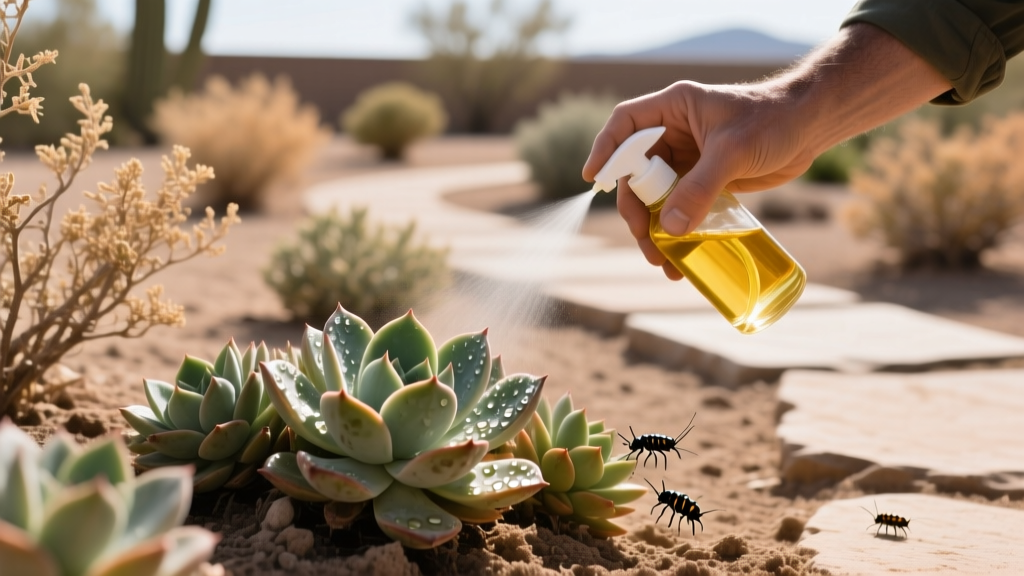
2026 Guide: Dormant Horticultural Oil for Xeriscape Scale Control
David ParkPublished
The Hidden Threat to Your 2026 Xeriscape
As water conservation becomes a permanent fixture of modern landscaping, xeriscaping and low-water garden designs have exploded in popularity. By 2026, drought-tolerant plants like agave, yucca, juniper, and olive trees are staples in residential and commercial landscapes across arid and semi-arid regions. However, there is a hidden threat lurking beneath the waxy cuticles and rugged bark of these resilient plants: scale insects. While xeriscape plants are bred to survive extreme heat and minimal rainfall, they are not immune to pest pressure. In fact, the subtle environmental stress caused by prolonged drought can make them highly susceptible to sap-sucking insects. For the eco-conscious and water-wise gardener, managing these pests requires a strategy that does not compromise the core principles of xeriscaping. Enter dormant horticultural oil—a highly effective, low-water Integrated Pest Management (IPM) solution that is revolutionizing scale control in dry landscapes.
Why Scale Insects Target Low-Water Landscapes
Scale insects are notoriously difficult to detect. They often appear as small, immobile bumps on stems, leaves, and branches, resembling natural plant growths rather than living pests. According to the University of California Integrated Pest Management (UC IPM) program, scale insects are divided into two primary categories: armored scales and soft scales. Armored scales, such as the elusive latania scale or oleander scale, secrete a hard, protective shell over their bodies and do not produce honeydew. Soft scales, like the black scale or brown soft scale, produce copious amounts of sticky honeydew, which subsequently attracts ants and fosters the growth of sooty mold.
In a traditional, highly irrigated landscape, plants can often outgrow minor scale infestations by pushing out vigorous new foliage. In a xeriscape, however, growth is intentionally slow and resource-conserving. When a drought-stressed juniper or olive tree is attacked by scale insects, it lacks the excess water and nutrient reserves required to recover. The insects insert their piercing-sucking mouthparts into the plant tissue, draining vital sap and weakening the host. Over time, this leads to stunted growth, chlorotic (yellowing) foliage, dieback of terminal twigs, and eventually, the death of the plant if left untreated.
The Problem with Systemic Insecticides in Xeriscapes
Historically, many gardeners and landscape professionals have relied on systemic insecticides, such as imidacloprid or dinotefuran, to manage stubborn scale populations. These chemicals are typically applied as soil drenches. The plant's roots absorb the chemical, translocating it throughout the vascular system so that when the scale insects feed, they ingest a lethal dose. While effective in traditional gardens, systemic drenches are fundamentally incompatible with xeriscaping for several critical reasons.
First, systemic drenches require significant amounts of water to activate. To properly move the chemical into the root zone of a mature shrub, you may need to apply 5 to 10 gallons of water immediately after treatment. In a low-water landscape designed to minimize irrigation, this represents a massive waste of a precious resource. Second, xeriscape soils are often heavily amended with sand, gravel, or pumice to ensure rapid drainage, or they consist of hydrophobic, dry clay. In these soil types, chemical drenches can easily leach past the shallow root zones of drought-adapted plants before they can be absorbed, leading to poor efficacy and potential groundwater contamination. Finally, many drought-tolerant plants have specialized, sparse root systems that simply do not take up soil-applied chemicals efficiently.
The Case for Dormant Horticultural Oil
Dormant horticultural oil offers a brilliant, water-wise alternative. Unlike soil drenches, horticultural oils are applied as a foliar and bark spray, requiring only the water needed to fill a standard pump sprayer. According to Colorado State University Extension, horticultural oils work primarily through physical suffocation. The oil coats the insects, blocking their spiracles (breathing pores) and causing them to asphyxiate. Additionally, the oil can penetrate the egg casings of overwintering pests, disrupting their development and preventing hatching.
Modern horticultural oils formulated for the 2026 market are highly refined, lightweight, and contain advanced emulsifiers that allow them to mix seamlessly with water. Products like Monterey Horticultural Oil and Bonide All Seasons Dormant Spray are excellent choices. Because they rely on a physical mode of action rather than a chemical one, scale insects cannot develop genetic resistance to them, making them a cornerstone of sustainable, long-term IPM strategies.
Step-by-Step Application Guide for Xeriscape Gardens
Applying dormant oil requires precision and attention to environmental conditions. Because xeriscape plants often retain their foliage year-round (such as broadleaf evergreens and conifers), the term 'dormant' refers more to the dormant state of the pest and the cooler weather conditions rather than the leafless state of the plant.
- Timing is Everything: The ideal window for dormant oil application is late winter to very early spring, just before the buds begin to swell and the first generation of scale 'crawlers' emerges. You must apply the spray when daytime temperatures are consistently between 40°F and 80°F. Never apply if freezing temperatures are expected within 24 hours, as the water in the spray mixture can freeze on the plant tissue and cause severe cellular damage.
- Sanitation and Pruning: Before spraying, use sterilized pruning shears to remove any heavily infested, dead, or dying branches. Dispose of this material in sealed green waste bags to prevent re-infestation. This also opens up the plant canopy, allowing for better spray penetration.
- Mixing the Solution: For dormant applications, the mixing ratio is typically higher than growing-season applications. While you must always read the specific 2026 product label, a standard dormant rate is 2.5 to 5 tablespoons (1.25 to 2.5 fluid ounces) of horticultural oil per gallon of water. Fill your sprayer halfway with water, add the oil, agitate vigorously to emulsify, and then add the remaining water.
- Thorough Coverage: Scale insects do not move once they settle. Therefore, the oil must physically touch the pest to work. Spray the plant until the point of runoff, ensuring you coat the undersides of leaves, the crotches of branches, and the main trunk. For plants like agave and yucca, ensure the oil reaches deep into the tight rosettes where scale insects love to hide.
Comparison Chart: Scale Control Methods in Water-Wise Gardens
| Control Method | Water Requirement | Xeriscape Suitability | Efficacy on Armored Scale | Impact on Beneficial Insects |
|---|---|---|---|---|
| Dormant Horticultural Oil | Minimal (Spray only) | Excellent | High (Suffocates adults & eggs) | Low (Applied when beneficials are inactive) |
| Systemic Soil Drench | High (5-10 gal/plant) | Poor (Wastes water, leaches) | Moderate to High | High (Can harm pollinators via nectar) |
| Neem Oil (Cold Pressed) | Minimal (Spray only) | Good | Low to Moderate (Better for soft scale) | Low to Moderate |
| Insecticidal Soaps | Minimal (Spray only) | Good | Low (Cannot penetrate armored shells) | Low |
Xeriscape Plant Profiles: Scale Susceptibility and Oil Safety
While horticultural oil is generally safe for most low-water plants, certain xeriscape species require special consideration to avoid phytotoxicity (plant damage).
Olive Trees and Fruitless Mulberries
These Mediterranean staples are highly prone to olive scale and black scale. They respond exceptionally well to dormant oil applications. Because they are broadleaf evergreens, ensure you spray on a mild, overcast winter day to prevent the oil from magnifying the sun and burning the leaves.
Junipers and Arborvitae
Juniper scale is a common nuisance that causes the needles to turn yellow and drop. Dormant oil is highly effective here, but you must avoid spraying junipers on days when temperatures are expected to spike above 80°F, as the combination of heat and oil can scorch the delicate scale-like foliage.
Agave, Aloe, and Yucca
These succulents are occasionally targeted by armored scales like the latania scale. Their thick, waxy cuticles protect them from oil-induced burn, making them excellent candidates for horticultural oil. However, avoid using oil on agave species that are currently pushing out their massive, once-in-a-lifetime flower spikes, as the stress of the spray can interfere with blooming.
Blue-Leafed Conifers (A Note of Caution)
If your xeriscape includes blue spruce or blue fescue, do not apply horticultural oil. The oil will strip away the natural, powdery epicuticular wax that gives these plants their distinctive blue hue, leaving them looking permanently dull and green. For these specific plants, rely on targeted pruning and the introduction of beneficial predatory beetles.
Environmental and Pollinator Safety
One of the greatest advantages of using dormant horticultural oil in late winter is the protection of pollinators. Because the application occurs before spring blooms open, foraging bees, butterflies, and other beneficial insects are not exposed to the spray. Furthermore, horticultural oils leave no toxic residual residue on the plant surface. Once the oil dries and the water evaporates, it simply degrades in the environment. This makes it an ideal choice for xeriscape gardens that double as pollinator habitats, allowing you to maintain a thriving, water-wise ecosystem without introducing persistent synthetic chemicals into your local food web.
Conclusion
Managing scale insects in a xeriscape no longer requires choosing between pest control and water conservation. By integrating dormant horticultural oil sprays into your late-winter garden maintenance routine, you can effectively smother overwintering scale populations, protect your valuable drought-tolerant plants, and preserve every drop of water. As we move through 2026, embracing smart, physics-based IPM strategies like dormant oil will remain essential for cultivating resilient, beautiful, and truly sustainable low-water landscapes.