Gardening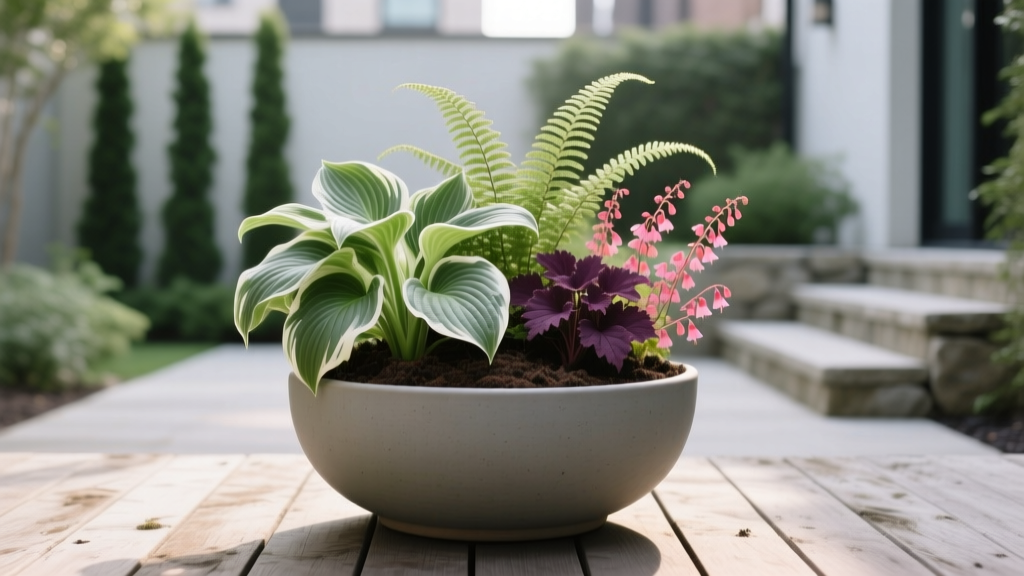
2026 Shade Container Design: Hosta, Fern & Coral Bells Guide
Anna KowalskiPublished
The Ultimate Shade Container Trio for 2026
Shade gardening in containers has evolved dramatically. As we move through 2026, homeowners and patio gardeners are moving away from high-maintenance, water-hungry annuals and embracing sophisticated, textured perennial combinations that thrive in low-light environments. The undisputed champion of shade container design remains the classic trio: Hostas, Ferns, and Coral Bells (Heuchera). This combination provides a masterclass in foliage contrast, offering broad architectural leaves, delicate feathery fronds, and vibrant, jewel-toned accents.
Whether you are dealing with a deeply shaded north-facing balcony, a covered porch, or a shady corner beneath a mature oak tree, this specific plant combination delivers reliable, season-long interest. In this comprehensive guide, we will break down exactly how to design, plant, and maintain a stunning Hosta, Fern, and Coral Bells container garden using the latest 2026 horticultural practices and products.
Why This Trio Works: The Thriller, Filler, Spiller Adapted
The traditional container gardening formula relies on a 'thriller' (tall focal point), 'filler' (mid-level volume), and 'spiller' (trailing edge). In deep shade, finding a true trailing spiller can be challenging, so we adapt the concept to focus on texture and color layering:
- The Thriller (Hosta): Hostas serve as the bold, architectural anchor. Their broad, ribbed leaves draw the eye and provide a lush, tropical feel even in cool, shaded zones.
- The Filler (Fern): Ferns introduce a fine, airy texture that contrasts beautifully with the heavy foliage of the Hosta. They fill the middle ground and create a sense of movement when a breeze catches their fronds.
- The Color Accent (Coral Bells): Heuchera acts as the vibrant underplanting and edge-draping accent. With 2026 breeding advancements, Coral Bells now offer foliage in deep burgundies, glowing peaches, and frosted silvers that illuminate dark corners.
Selecting the Right Container and Soil
Because you are combining three vigorous perennials that will remain in the pot for multiple seasons, container size and soil composition are critical. According to Penn State Extension, ensuring adequate drainage and sufficient soil volume is the primary factor in perennial container survival.
Container Specifications
For a mature trio, you need a pot that is at least 22 to 24 inches in diameter and 18 inches deep. This volume prevents the soil from drying out too quickly and provides enough insulation for the roots during temperature fluctuations. In 2026, lightweight fiberglass and high-density resin planters are the top recommendations. They mimic the look of heavy glazed ceramic or cast stone but are easier to move and less prone to cracking in freezing weather. Brands like Lechuza and Crescent Garden offer excellent self-watering reservoir systems that are highly beneficial for shade containers, which can sometimes be sheltered from natural rainfall by overhead trees or eaves.
The 2026 Peat-Free Soil Recipe
Sustainability is a major focus this year, and the horticultural industry has largely shifted toward peat-free or reduced-peat mixes. A standard garden soil will compact and suffocate roots in a pot. Instead, mix your own premium shade-container blend:
- 3 Parts Coco Coir: A sustainable alternative to peat moss that retains moisture beautifully while resisting compaction.
- 1 Part Premium Compost: Provides a slow-release base of nutrients and beneficial microbes.
- 1 Part Pumice or Coarse Perlite: Ensures vital oxygen flow to the root zone and prevents waterlogging.
- 1/2 Cup Biochar (per 5 gallons of mix): Biochar is trending heavily in 2026 for its ability to hold nutrients and water in the soil matrix, reducing the need for frequent fertilization.
Step-by-Step Planting Layout
Proper placement within the container ensures each plant gets the space and airflow it needs to resist fungal diseases, which can be an issue in damp shade.
- Prep the Pot: Ensure drainage holes are clear. Place a piece of landscape fabric over the holes to keep soil in while letting water out. Add 2 inches of drainage material (like large pumice) at the very bottom.
- Position the Hosta: Place your Hosta slightly off-center rather than dead in the middle. This creates a more natural, dynamic asymmetrical design. Backfill with your soil mix.
- Flank with Ferns: Plant one or two ferns on the opposite side of the Hosta. Angle the crowns of the ferns very slightly outward so the fronds arch gracefully over the pot's edge.
- Tuck in the Coral Bells: Plant three Heuchera in a triangle formation near the front edge of the container. Allow the crown of the Heuchera to sit just slightly above the soil line to prevent crown rot, a common issue highlighted by experts at Proven Winners.
- Top Dress and Water: Apply a 1-inch layer of fine shredded bark mulch to retain moisture and suppress weeds. Water deeply until it flows freely from the drainage holes.
Top Variety Recommendations for Container Design
Choosing the right cultivars is essential for a balanced container. Here is a curated selection of varieties that perform exceptionally well in pots.
| Plant Role | Recommended 2026 Variety | Mature Spread | Foliage Color & Texture |
|---|---|---|---|
| Thriller (Hosta) | 'Patriot' or 'Minuteman' | 18 - 24 inches | Deep green with striking, wide white margins. |
| Filler (Fern) | Japanese Painted Fern (Athyrium niponicum) | 12 - 18 inches | Silvery-gray fronds with burgundy stems. |
| Accent (Heuchera) | 'Palace Purple' or 'Berry Marmalade' | 12 - 16 inches | Rich, dark purple-black with ruffled edges. |
| Spiller Alternative | Creeping Jenny (Lysimachia nummularia 'Aurea') | Trails 12+ inches | Bright chartreuse, small round leaves. |
Seasonal Maintenance and Care
Shade containers require a different maintenance rhythm than sun-baked annual pots. As noted by the University of Minnesota Extension, shade gardens require careful attention to soil moisture, as competition from nearby tree roots and sheltering canopies can create surprisingly dry microclimates.
Watering and Fertilizing
Hostas and ferns prefer consistently moist, but never soggy, soil. Check the container every two days by inserting your finger two inches into the soil. If it feels dry, water thoroughly. In terms of nutrition, perennials in containers need regular feeding because nutrients wash out of the drainage holes. In early spring, top-dress the soil with a granular organic fertilizer like Espoma Plant-tone. Follow up every three weeks during the growing season with a liquid kelp or fish emulsion feed diluted to half-strength.
Pest Management
The primary enemies of this trio are slugs and black vine weevils. Slugs will shred Hosta leaves overnight. Combat them organically by applying iron phosphate-based slug bait (such as Sluggo) around the base of the pot. For vine weevils, which chew notches in Heuchera leaves and whose grubs devour roots, apply beneficial nematodes (Heterorhabditis bacteriophora) to the soil in late summer to naturally eradicate the larvae.
Overwintering Your Shade Container
Because perennials in pots are exposed to freezing air on all sides of their root balls, they are effectively growing in a zone or two colder than your local climate. To ensure your Hosta, Fern, and Coral Bells survive the winter and return vigorously the following spring, follow these overwintering strategies:
- The Pot-in-Pot Method: If you have garden beds, sink the entire container into the ground in a vacant spot and mulch heavily. This uses the earth's thermal mass to insulate the roots.
- Unheated Garage Storage: Move the pot into an unheated garage or shed where temperatures stay between 30°F and 40°F. Water the pot lightly once a month to prevent the roots from desiccating completely.
- Insulation Wrapping: If the pot must stay on the patio, group it against a south-facing wall, wrap the exterior of the pot in bubble wrap or horticultural fleece, and pile fallen leaves or straw around the base to block harsh winds.
Final Thoughts on Shade Pottery
Designing a shade container with Hostas, Ferns, and Coral Bells is an investment in long-term elegance. By selecting the proper oversized container, utilizing a modern biochar-enhanced soil mix, and choosing complementary varieties, you can transform the darkest corners of your outdoor space into a lush, textured sanctuary. With minimal daily maintenance and smart overwintering tactics, this perennial trio will reward you with compounding beauty year after year.
