Gardening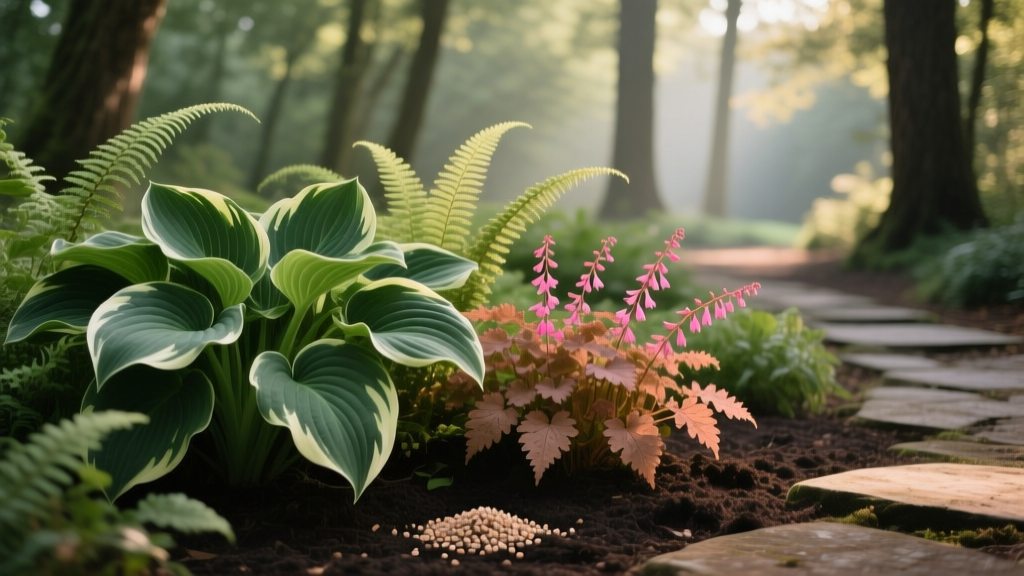
Fertilizing Hostas, Ferns & Coral Bells: 2026 Shade Garden Guide
Emily WatsonPublished
The Ultimate 2026 Fertilizer Guide for Hosta, Fern, and Coral Bells Shade Gardens
Designing a lush, multi-layered shade garden is one of the most rewarding endeavors in home landscaping. The classic trio of Hostas (for bold, architectural foliage), Ferns (for delicate, textural fronds), and Coral Bells or Heuchera (for vibrant, year-round color) forms the backbone of modern shade design. However, as we navigate the 2026 growing season, gardeners must recognize that the sub-canopy environment presents unique nutritional challenges. Tree roots aggressively compete for water and nutrients, and the cooler, shaded soil temperatures slow down the microbial activity required to break down organic matter.
To maintain a thriving shade garden this year, the 'set it and forget it' approach to plant feeding is obsolete. You need a targeted fertilizer strategy that addresses the distinct biological needs of each plant in this trio. This comprehensive guide breaks down the exact fertilizer types, application rates, and seasonal schedules required to keep your shade garden vibrant throughout 2026.
Understanding the Nutrient Profiles of the Shade Trio
Before opening a bag of fertilizer, it is critical to understand what each plant in your shade bed actually requires. Over-fertilizing is a far greater threat to shade plants than under-fertilizing, often leading to root burn, crown rot, or weak, leggy growth that attracts pests like slugs.
Hostas: The Heavy Nitrogen Feeders
Hostas are grown primarily for their expansive, lush leaves. According to the University of Minnesota Extension, hostas thrive in rich, well-drained soil with consistent moisture and require a steady supply of nitrogen during their rapid spring emergence. A lack of nitrogen results in stunted growth and chlorotic (yellowing) leaves, while excessive late-season nitrogen prevents the plant from hardening off for winter.
Ferns: The Sensitive Ancient Growers
Ferns are ancient plants that evolved in forest understories, relying heavily on symbiotic relationships with soil fungi rather than heavy doses of synthetic salts. Most woodland ferns (such as Autumn Ferns or Painted Ferns) prefer slightly acidic soil and are highly susceptible to fertilizer burn. They require a gentle, balanced diet rich in micronutrients and organic matter rather than concentrated NPK (Nitrogen-Phosphorus-Potassium) spikes.
Coral Bells (Heuchera): The Bloom and Root Builders
While prized for their colorful foliage, Coral Bells also produce delicate, airy flower panicles that attract pollinators. The North Carolina State Extension notes that Heuchera requires well-drained soil and benefits from a light, balanced feeding to support its flower spikes and maintain a strong, woody crown. Too much nitrogen will cause Heuchera to produce weak, floppy stems and increase the risk of fungal crown rot, a persistent issue in humid shade gardens.
Best Fertilizer Types for Shade Gardens in 2026
In 2026, the horticultural industry has shifted heavily toward biologically active, slow-release organic fertilizers that feed the soil food web rather than just the plant. Here are the top three fertilizer categories you should stock for your shade beds this year.
1. Slow-Release Organic Granular (NPK 4-3-4 or 5-3-3)
Organic granular fertilizers, such as Espoma Plant-tone or Dr. Earth Shade & Fern, are the workhorses of the shade garden. They rely on soil microbes to break down the nutrients, which aligns perfectly with the slower metabolic rate of shaded soils. In 2026, expect to pay between $18 and $26 for a 4-pound bag of premium organic granular fertilizer. These formulations provide a gentle, steady release of nitrogen without the risk of salt buildup that synthetic fertilizers cause.
2. Liquid Kelp and Fish Emulsion
Liquid fertilizers like Neptune's Harvest Fish & Seaweed blend (NPK 2-3-1) are invaluable for giving ferns and newly transplanted Coral Bells a quick, gentle boost. Kelp is packed with natural growth hormones, trace minerals, and cytokinins that help plants withstand environmental stress, including the dry shade often found beneath mature maple or oak trees. A 1-quart bottle typically costs around $16 to $20 and will last an average-sized shade garden the entire season.
3. Mycorrhizal Fungi Inoculants
While not a traditional 'fertilizer,' mycorrhizal fungi are essential for 2026 shade garden success. These beneficial fungi attach to the roots of hostas and ferns, effectively extending their root systems by up to 100 times and allowing them to scavenge for phosphorus and water in competition with nearby tree roots. Applying a granular mycorrhizal inoculant during spring planting or top-dressing is a game-changer for shaded environments.
The 2026 Shade Garden Fertilizer Schedule
Timing is everything. Because shade soils warm up slower in the spring and cool down faster in the autumn, your feeding schedule must be calibrated to the soil temperature, not just the calendar date. Below is the ideal 2026 fertilization schedule for a mixed bed of Hostas, Ferns, and Coral Bells.
| Season / Timing | Target Plants | Fertilizer Type | Application Rate & Method |
|---|---|---|---|
| Early Spring (Soil reaches 50°F) | Hostas & Ferns | Organic Granular (4-3-4) | 1/2 cup per 10 sq ft. Scratch lightly into the top inch of soil, avoiding direct contact with emerging Hosta eyes (crowns). |
| Mid-Spring (May) | Coral Bells | Compost Top-Dressing | Apply a 1-inch layer of screened organic compost around the base of Heuchera to support pre-bloom energy without risking crown rot. |
| Early Summer (June) | Ferns & Coral Bells | Liquid Kelp/Fish Emulsion | Dilute 1 tbsp per gallon of water. Apply as a soil drench every 3 weeks to support Fern frond expansion and Heuchera flowering. |
| Mid-Summer (July) | All Shade Plants | None (Focus on Water) | Stop fertilizing. High heat and dry shade conditions make plants susceptible to fertilizer burn. Focus on deep, infrequent watering. |
| Early Fall (September) | Hostas & Ferns | Mycorrhizal Inoculant | Apply according to package directions to stimulate root growth before winter dormancy. Do not apply nitrogen. |
Step-by-Step Application Techniques
Proper application is just as important as choosing the right product. The unique anatomy of the shade trio requires specific handling to prevent damage.
- The Hosta Crown Rule: Hostas emerge from a central crown that is highly susceptible to rot and chemical burn. When applying granular fertilizer, create a 'donut' of nutrients starting 3 inches away from the center of the plant and extending to the drip line. Never let fertilizer granules fall into the tight whorl of emerging Hosta leaves in spring.
- The Fern Frond Sensitivity: Fern fronds are incredibly delicate. If you are using a liquid fish emulsion, apply it directly to the soil using a watering can with a narrow spout or a drip irrigation system. Splashing liquid fertilizer onto the unfurling 'fiddleheads' or mature fronds can cause immediate necrotic spotting.
- The Heuchera Heaving Prevention: Coral Bells are notorious for 'heaving' out of the ground during winter freeze-thaw cycles, exposing their shallow root systems. To prevent this, avoid any nitrogen-rich fertilizers after August. Instead, use a layer of compost and a specialized winter mulch (like shredded oak leaves) in late autumn to insulate the crown and keep the soil temperature stable.
Troubleshooting Common Shade Fertilizer Mistakes
Even experienced gardeners make mistakes when managing the complex microclimate of a shade garden. Here is how to identify and correct the most common issues seen in 2026.
Issue: Fern Frond Tips are Browning and Crispy
Diagnosis: Fertilizer salt burn. Ferns are highly sensitive to synthetic, water-soluble fertilizers (like standard 10-10-10 or 20-20-20 formulas).
Solution: Flush the soil around the fern with 2 to 3 gallons of clean water to leach the salts below the root zone. Switch exclusively to organic, slow-release granular or diluted liquid kelp for the remainder of the season.
Issue: Hostas are Pale Green with Stunted Growth
Diagnosis: Nitrogen deficiency, often caused by competition from nearby tree roots or highly alkaline soil locking up nutrients.
Solution: Test your soil pH. Hostas prefer a pH between 6.5 and 7.5. If the pH is correct, apply a liquid fish emulsion drench for immediate uptake, followed by a granular organic feeder. If the pH is too high (alkaline), amend the soil with elemental sulfur or peat moss to unlock the trapped nitrogen.
Issue: Coral Bells are Floppy and Lacking Color
Diagnosis: Excessive nitrogen or insufficient light. While Heuchera is a shade plant, the deep-purple and caramel varieties actually require dappled morning sunlight to maintain their vibrant pigmentation. Too much nitrogen forces rapid, weak, green growth that masks the colorful foliage.
Solution: Reduce nitrogen applications by 50%. Ensure the plants are receiving at least 3 to 4 hours of dappled morning light. If the bed is in deep, full shade, consider relocating the colorful Heuchera varieties to a brighter spot and replacing them with chartreuse or green-leafed varieties that tolerate deeper shade.
Conclusion
Mastering the fertilizer schedule for a Hosta, Fern, and Coral Bells shade garden requires a shift from aggressive feeding to strategic, biologically supportive nutrition. By utilizing slow-release organic granular fertilizers in the spring, supplementing with liquid kelp in the early summer, and respecting the delicate crowns and fronds of these specific plants, your 2026 shade garden will achieve a level of lushness and resilience that synthetic fertilizers simply cannot provide. Remember to observe your plants, test your soil, and let the natural rhythms of the shade canopy guide your gardening hand.
