Pest Control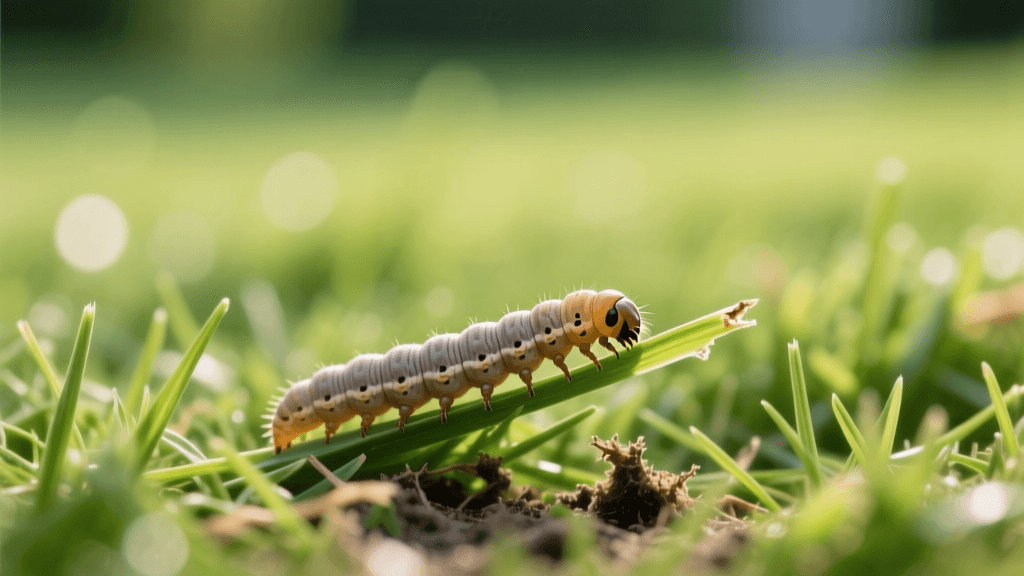
How to Identify and Eliminate Lawn Armyworms Quickly
Armyworms are the bulldozers of the insect world. A severe infestation can transform a lush, green lawn into a brown, decimated wasteland in a matter of days. These voracious caterpillars, primarily the fall armyworm (Spodoptera frugiperda), march across turfgrass in massive numbers, consuming everything in their path. For homeowners, early detection and rapid intervention are not just recommendations; they are absolute necessities to save your landscape.
This practical, step-by-step guide will walk you through exactly how to identify an armyworm invasion, choose the right treatment based on your lawn care philosophy, and apply it effectively to halt the destruction. Whether you prefer organic integrated pest management (IPM) or fast-acting chemical controls, you will find actionable measurements, product recommendations, and timing strategies below.
Understanding the Fall Armyworm Threat
Before you can defeat the enemy, you must understand its behavior. Fall armyworms do not actually overwinter in the northern United States; they migrate northward from the Gulf Coast and southern states during the late summer and early fall. According to the Texas A&M Agrilife Extension, these pests can produce multiple generations in a single season, meaning a single overlooked patch of eggs can lead to a catastrophic outbreak weeks later.
Adult moths lay clusters of up to 500 eggs on grass blades or nearby structures. When the larvae hatch, they are tiny and green, but they quickly grow into 1.5-inch caterpillars featuring distinct longitudinal stripes and a characteristic inverted Y-shape on their head capsules. It is during the later larval stages (instars) that they consume up to 80 percent of their total lifetime food intake, causing the sudden, severe damage homeowners often wake up to discover.
Step 1: Confirming the Infestation with a Soap Flush
Do not guess whether armyworms are present. If you notice irregular brown patches, chewed grass blades with ragged edges, or an unusual influx of birds flocking to your lawn, you need to perform a soap flush test. This simple, inexpensive diagnostic tool forces hidden caterpillars to the surface.
How to Perform the Soap Flush Test:
- Mix the Solution: Combine 2 tablespoons of liquid dish soap (lemon-scented works exceptionally well) with 1 gallon of water in a watering can.
- Select the Area: Choose a 1-square-yard section at the border of the damaged brown grass and the healthy green grass. This is the active feeding zone.
- Apply the Mixture: Pour the soapy water evenly over the 1-square-yard area. The soap irritates the caterpillars' skin, forcing them to the surface.
- Observe and Count: Wait 3 to 5 minutes. If you see 3 to 5 or more armyworms surface in that single square yard, your lawn has reached the economic threshold and requires immediate treatment.
According to entomologists at Clemson University Home and Garden Information Center, scouting your lawn at dawn or dusk is highly recommended, as armyworms are most active during the cooler parts of the day and tend to hide in the thatch layer during peak afternoon heat.
Step 2: Choosing the Right Treatment Strategy
Once you have confirmed an infestation, you must select a treatment. Your choice will depend on your environmental preferences, budget, and the severity of the outbreak. Below is a comprehensive comparison of the most effective organic and chemical controls available to homeowners.
| Treatment Type | Active Ingredient | Common Product Name | Application Rate (per 1,000 sq ft) | Est. Cost | Pros and Cons |
|---|---|---|---|---|---|
| Organic (Biological) | Bacillus thuringiensis var. kurstaki (Btk) | Monterey B.t. | 2 oz mixed in 3 gallons of water | $4.00 | Pros: Highly targeted, safe for bees, pets, and beneficial insects. Cons: Slow acting; only effective on small, early-instar larvae. |
| Organic (Biological) | Spinosad | Captain Jack's Deadbug Brew | 2 oz mixed in 2 gallons of water | $7.50 | Pros: Effective on larger larvae, OMRI listed for organic use. Cons: Toxic to bees until dry; slightly more expensive. |
| Chemical (Synthetic) | Bifenthrin | Talstar P Professional | 0.5 oz mixed in 2 gallons of water | $2.50 | Pros: Extremely fast knockdown, long residual control (up to 30 days). Cons: Highly toxic to aquatic life and beneficial insects. |
| Chemical (Synthetic) | Carbaryl | Sevin Liquid Lawn Bug Killer | 1.5 oz mixed in 1 gallon of water | $3.50 | Pros: Broad-spectrum control, widely available at local hardware stores. Cons: Harms earthworms and pollinators; requires careful handling. |
Note: Always read and follow the manufacturer's label instructions. The label is the law, and application rates can vary based on the specific concentration of the product you purchase.
Step 3: Application Guide and Timing
Applying the right product at the wrong time or in the wrong manner will result in poor control and wasted money. Armyworms hide deep in the thatch during the heat of the day, meaning a midday application will likely miss the target.
Pre-Application Preparation
- Mow the Lawn: Mow your grass slightly shorter than usual (around 2 inches). This removes the top layer of foliage where eggs might be attached and reduces the physical barrier the spray must penetrate to reach the soil surface and thatch layer.
- Water Lightly: Irrigate the lawn lightly about an hour before application. Moist soil encourages armyworms to move closer to the surface, making them more vulnerable to the treatment.
- Clear Debris: Rake up heavy thatch or fallen leaves in the affected areas to ensure the pesticide makes direct contact with the pests.
The Application Process
Apply your chosen treatment in the late afternoon or early evening. This timing coincides with the armyworms' natural feeding cycle as they emerge from the thatch to forage. Use a pump-action backpack sprayer or a hose-end sprayer calibrated to deliver the correct volume of water. You need enough liquid volume to carry the active ingredient down through the grass canopy and into the thatch where the caterpillars reside.
If you are using Bacillus thuringiensis (Btk), remember that it must be ingested by the caterpillar to work. Thorough coverage of the grass blades is essential. If you opt for a synthetic pyrethroid like Bifenthrin, the product works on contact and provides a residual barrier, but you still need to ensure deep penetration into the thatch.
Step 4: Post-Treatment Lawn Recovery
Even with successful treatment, your lawn will likely look battered. The good news is that if the armyworms only consumed the grass blades and did not destroy the crown and root system, your turf can recover remarkably fast.
- Fertilize: Wait 5 to 7 days after treatment, then apply a fast-release nitrogen fertilizer at a rate of 0.5 to 1.0 pounds of actual nitrogen per 1,000 square feet. This provides the energy the grass needs to push out new leaf tissue.
- Water Deeply: Provide 1 to 1.5 inches of water per week, split into two or three deep watering sessions. This encourages root growth and helps the plant push through the stress.
- Overseed Bare Patches: If the armyworms destroyed the crowns in specific areas, you will need to rake the dead material, loosen the topsoil, and overseed with a grass variety that matches your existing lawn. Keep these patched areas consistently moist until germination occurs.
Step 5: Long-Term Prevention and Monitoring
Preventing a second wave of armyworms—or an infestation next season—relies on proactive monitoring and encouraging natural predators. The University of Florida IFAS Extension notes that fall armyworms have several natural enemies, including parasitic wasps, ground beetles, and insectivorous birds.
To support these beneficial organisms, avoid using broad-spectrum preventive insecticides early in the season. Instead, rely on your weekly soap flush tests during late summer and early fall. By maintaining a healthy, vigorous lawn through proper aeration, mowing, and irrigation, your turf will be naturally more resilient to pest pressures and capable of bouncing back rapidly if an outbreak occurs.
Stay vigilant, act quickly at the first sign of damage, and utilize the targeted treatments outlined above to keep your lawn green, healthy, and armyworm-free.