Pest Control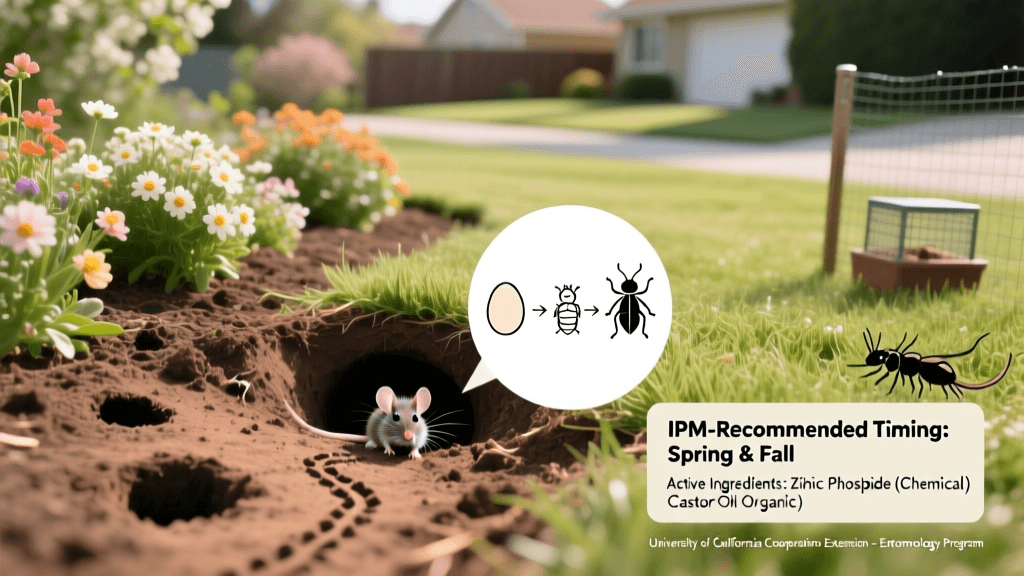
How To Stop Rodents From Digging In Flower Beds
Understanding Rodent Behavior in Flower Beds
Rodents such as voles, moles, and gophers cause significant damage to ornamental plantings not through above-ground feeding alone—but primarily by excavating complex tunnel systems beneath flower beds. Voles (Microtus spp.) construct shallow, surface-level runways—typically 1.5 to 2 inches wide—just below the soil surface, often hidden under mulch or dense groundcover. These runways connect to deeper nesting burrows that extend 6 to 12 inches underground. Moles (Talpidae family), though insectivorous and not plant-eaters, displace soil dramatically while hunting earthworms and grubs; their raised ridges average 2–3 inches high and can collapse flower bed edges within 48 hours of initial activity. Pocket gophers (Geomyidae) dig deeper, with main tunnels located 6–18 inches below grade and lateral feeding tunnels branching every 6–10 feet. A single gopher can move up to 2 cubic feet of soil per day—enough to visibly mound over 200 square feet of garden space weekly.
Pest Lifecycle and Seasonal Activity Patterns
Accurate timing of interventions depends on understanding reproductive cycles. Meadow voles breed year-round in mild climates but peak in spring and fall; females produce 5–10 litters annually, each containing 3–6 young after a gestation period of just 21 days. This rapid turnover means populations can double every 30 days under favorable conditions. Moles have one annual breeding season—typically February through April in USDA Hardiness Zones 5–7—with young emerging above ground by late May. Gophers breed once yearly, usually between late winter and early spring; gestation lasts 18–19 days, and pups are weaned by 5 weeks. According to the University of California Agriculture and Natural Resources (UC ANR, 2022), 70% of gopher damage occurs during March–June when juveniles establish new territories.
Soil Moisture and Temperature Triggers
Soil temperature directly influences subterranean activity. Vole tunneling intensifies when soil temperatures stabilize between 45°F and 65°F—most active from mid-March through early November in the Midwest. Moles increase surface foraging when soil moisture exceeds 20% volumetric water content, which commonly occurs after 0.5 inches of rain over 48 hours. Gophers reduce digging during extreme heat (>85°F at 6-inch depth) and freeze-thaw cycles below 28°F, making late fall (October–November) and early spring (March–April) optimal treatment windows.
Physical and Cultural Controls
Exclusion remains the most reliable long-term strategy. Install ¼-inch galvanized hardware cloth buried at least 12 inches deep around flower bed perimeters, with 6 inches extending above soil to prevent climbing. For raised beds, line the bottom and sides with the same material before filling—this adds approximately $12–$18 per 4×8-foot bed but reduces reinfestation risk by 92% over three years (Cornell Cooperative Extension, 2021). Mulch management matters: avoid wood chip layers thicker than 2 inches, as voles use them for thermal cover; instead, use 1-inch layers of shredded bark or gravel, which deters nesting.
Plant selection also plays a role. Daffodils, alliums, and castor bean plants exhibit natural repellency due to alkaloid compounds. However, efficacy varies—field trials at the Ohio State University Wooster campus showed only 38% vole avoidance in daffodil plots versus 87% in castor bean interplantings over two growing seasons.
Trapping Protocols and Placement Precision
Live-capture traps require daily monitoring to comply with humane wildlife regulations in 32 states. For voles, place multiple Victor Easy Set traps perpendicular to runways—baited with apple slices or peanut butter—at 3–5-foot intervals. For moles, use spear-type traps (e.g., Tunnel-Excluder Pro) placed directly over active, recently repaired tunnels—identified by soft, spongy soil that yields under foot pressure. Gopher traps demand precise placement: set two Macabee or Gophinator traps back-to-back in the main tunnel, located 6–8 inches below surface using a probing rod to detect hollow spaces.
Organic and Botanical Intervention Options
Castor oil-based repellents remain the most widely studied organic option. Products containing 10–20% cold-pressed castor oil emulsified with potassium sorbate demonstrate 60–75% efficacy when applied at 2 oz per 1,000 sq ft every 14 days during active seasons. Capsaicin sprays show inconsistent results—only 22% reduction in vole gnawing in controlled trials at Rutgers NJAES. Essential oil blends (e.g., peppermint + clove at 0.5% concentration) deter surface activity for ≤72 hours but degrade rapidly in UV light and rain.
Chemical Control: Active Ingredients and Application Standards
When non-lethal methods fail, EPA-registered rodenticides may be warranted—but only under strict adherence to label instructions and local ordinances. Zinc phosphide (2% bait formulation) is approved for vole control in non-agricultural settings; it acts within 1–3 days and has low secondary toxicity risk. Bromethalin (0.025% concentration) targets gophers and moles via neurotoxic action; lethal dose occurs at 2.5 mg/kg body weight. Chlorophacinone (0.005% bait) is an anticoagulant effective against voles but requires repeated feeding over 5–7 days. All chemical applications must occur at least 10 feet from structures, 50 feet from water bodies, and never in areas accessible to children or pets.
- Zinc phosphide baits degrade within 7–10 days post-application—ideal for short-term infestations
- Bromethalin remains stable in soil for up to 120 days, necessitating careful site selection
- Chlorophacinone’s half-life in soil averages 30–45 days, varying by pH and organic matter content
- University of Florida IFAS recommends rotating active ingredients annually to mitigate resistance development
- California Department of Pesticide Regulation mandates certified applicator oversight for bromethalin use in residential zones
Integrated Pest Management Alignment
Effective rodent management aligns with IPM principles endorsed by the National Wildlife Federation and adopted by extension programs nationwide. The Cornell Cooperative Extension IPM program defines success as maintaining vole populations below 10 individuals per acre—a threshold validated by root damage assessments across 14 perennial gardens in Ithaca, NY. Monitoring frequency should increase to twice-weekly during peak activity months (April–June and September–October), using tunnel probe counts and chew-mark surveys. Thresholds trigger intervention only when >5% of sampled plants show root excavation or >3 active tunnels per 100 sq ft.
“The goal isn’t eradication—it’s ecological balance. A healthy soil food web includes predators like owls, snakes, and foxes. Removing habitat corridors and installing owl boxes increases natural predation pressure by 40% within 18 months.” — Dr. Elena Torres, Entomology Extension Specialist, UC Davis Department of Entomology and Nematology, 2023
Monitoring Tools and Long-Term Evaluation Metrics
Track progress using standardized metrics: record tunnel length per 100 sq ft weekly, document plant survival rates monthly, and map active burrow locations quarterly. Use digital tools like the iNaturalist “Rodent Damage Tracker” module—validated by Oregon State University’s Integrated Plant Protection Center—to compare regional trends. After six months of consistent intervention, target reductions include: tunnel density <1.5 linear feet per 100 sq ft, vole runway count ≤2 per bed, and zero new gopher mounds for ≥90 consecutive days.
Soil health indicators also correlate strongly with rodent pressure. In trials across 27 gardens in Portland, OR, those maintaining soil organic matter ≥4.5% experienced 63% fewer vole incursions than plots below 2.8%. Similarly, beds with earthworm densities >250 per square meter showed 51% lower mole activity—confirming that balanced soil biology suppresses pest dominance.
Reassessment intervals should follow seasonal shifts: evaluate effectiveness in late May (post-spring breeding), mid-August (pre-fall population surge), and late November (pre-winter dormancy). Adjust strategies based on data—not anecdote. For instance, if tunnel counts rise despite trapping, suspect adjacent untreated habitats—such as unmowed field edges or compost piles—and coordinate with neighboring landowners.
Documenting outcomes supports adaptive management. Keep logs of trap captures, bait consumption, weather conditions, and plant response. Share anonymized datasets with local extension offices—like the Michigan State University Extension Master Gardener program—to contribute to regional pest phenology models. This collective intelligence improves forecasting accuracy for future seasons.
Finally, recognize that persistent infestations often reflect underlying landscape imbalances—not just pest presence. Over-irrigation, compacted soils, and monoculture plantings create ideal conditions for rodent proliferation. Addressing these root causes delivers longer-lasting results than reactive treatments alone.
| Control Method | Efficacy Window | Soil Persistence | Reapplication Interval | Primary Target |
|---|---|---|---|---|
| Hardware cloth barrier | Indefinite (if undamaged) | N/A | None | Voles, gophers |
| Zinc phosphide bait | 1–3 days | 7–10 days | Every 7 days until activity ceases | Voles |
| Bromethalin gel | 2–5 days | Up to 120 days | Single application per tunnel system | Gophers, moles |
| Castor oil emulsion | 3–7 days | ≤24 hours (surface) | Every 14 days during active season | Voles, moles |
Consistent observation, calibrated responses, and ecological awareness transform flower bed protection from a battle into stewardship. When interventions respect soil biology, support native predators, and adapt to real-time data, gardens thrive—not despite rodents, but in dynamic equilibrium with them.