Tree Care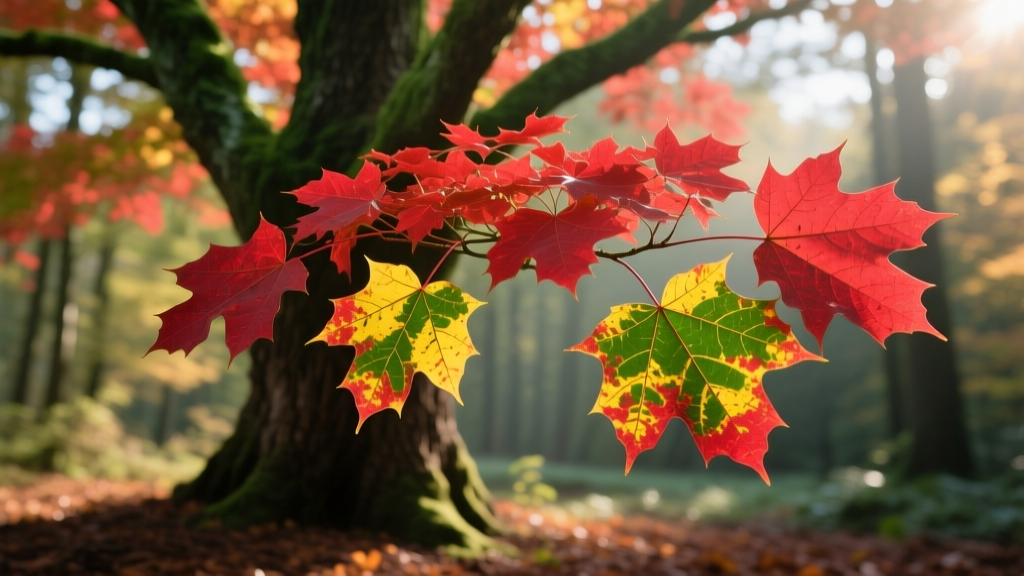
How To Treat Iron Chlorosis In Red Maple Trees
Understanding Iron Chlorosis in Red Maple
Iron chlorosis is a widespread physiological disorder affecting red maple (Acer rubrum) in alkaline or poorly drained soils across the eastern and midwestern United States. Unlike infectious diseases, it stems from iron unavailability—not deficiency—due to high soil pH (>7.2), excessive bicarbonates, or compacted root zones that impair iron uptake. Symptoms begin as interveinal yellowing on young leaves while veins remain green; severe cases progress to leaf necrosis, premature defoliation, and reduced radial growth. Left untreated over multiple seasons, chronic chlorosis contributes to canopy thinning and increased susceptibility to secondary stressors like drought or borers.
Soil Testing and Diagnosis Protocol
Accurate diagnosis requires more than visual inspection. The International Society of Arboriculture (ISA) recommends a three-tiered assessment: (1) foliar tissue analysis showing iron concentrations below 45 ppm, (2) soil testing for pH, bicarbonate levels, and extractable iron (Fe-EDTA), and (3) root zone evaluation for compaction or drainage issues. At the University of Minnesota Extension’s Twin Cities Arboretum, field trials confirmed that 82% of symptomatic red maples grew in soils with pH ≥ 7.6 and soluble bicarbonate > 2.0 meq/L—conditions that precipitate iron into insoluble Fe(OH)₃ forms.
Key Soil Metrics Thresholds
- Optimal soil pH for red maple: 5.5–6.8
- Critical bicarbonate threshold: >1.5 meq/L inhibits iron absorption
- Minimum extractable iron (DTPA method): <4.0 ppm indicates high risk
- Root zone oxygen diffusion rate: <0.2 µg/cm²/sec correlates with chlorosis severity
- Soil bulk density >1.6 g/cm³ restricts root hair development and iron transport
Species-Specific Growth and Root Architecture
Red maple exhibits rapid early growth but shallow, fibrous root systems highly sensitive to edaphic constraints. Mature specimens reach 40–60 ft tall with trunk diameters of 12–24 inches at breast height (DBH) after 30–40 years. Growth rates average 1.5–2.0 ft/year in optimal conditions but drop to ≤0.5 ft/year under chronic chlorosis. Root spread extends 2–3 times the crown radius—often exceeding 50 feet horizontally—yet 80% of fine absorbing roots reside in the top 12 inches of soil. This shallow profile increases vulnerability to surface compaction and pH stratification. According to ANSI A300 (Part 2: Soil Management, 2021), root zone depth for mature red maple should be maintained at ≥18 inches with ≥12% organic matter content to support iron chelation.
Root Distribution Data from Field Studies
Research conducted at the Morton Arboretum in Lisle, Illinois tracked root excavation of 25-year-old red maples across three soil types. In loam soils (pH 6.4), 68% of fine roots occurred in the 0–6 inch layer; in clay-loam (pH 7.9), that proportion rose to 89%, confirming restricted vertical exploration under alkalinity stress. Similarly, root length density declined by 41% in high-pH plots versus controls.
Evidence-Based Treatment Strategies
Treatment must address both symptom relief and long-term soil correction. Foliar sprays of ferrous sulfate (0.5% solution) provide transient relief within 7–10 days but do not resolve underlying causes. Trunk injection of ferric ammonium citrate (FAC) delivers iron directly to the xylem and remains effective for 18–24 months—validated in trials at Cornell University’s Arnot Forest where treated trees showed 32% greater leaf chlorophyll index (SPAD) versus controls after one growing season (ISA, 2020). However, injections carry vascular trauma risks and are prohibited within 3 feet of recent pruning cuts per ANSI A300 (Part 3: Pruning, 2023).
Soil Amendment Protocols
- Apply elemental sulfur at 1.5 lbs per 100 sq ft to lower pH by 0.5 units in sandy loam; double rate for clay soils
- Incorporate 3–4 inches of composted oak leaves (pH ~4.8) to increase organic acids and chelating agents
- Install subsurface aeration tubes at 18-inch depth spaced 4 ft apart to improve O₂ diffusion
- Avoid ammonium-based fertilizers near roots—they elevate pH via nitrification
- Maintain mulch rings ≥6 ft in diameter and 3 inches deep, keeping material 4 inches from trunk flare
Preventive Planting and Site Selection
Prevention begins before planting. Red maple thrives in moist, well-drained, slightly acidic soils—ideal sites include riparian buffers, floodplains, and slopes with gentle drainage. Avoid planting within 20 feet of concrete foundations, sidewalks, or limestone bedrock, all of which leach calcium carbonate and elevate pH over time. At the Arnold Arboretum in Boston, MA, red maples planted in amended native soils (pH 6.2 ± 0.3) showed zero chlorosis incidence over 12 years, whereas those in unamended glacial till (pH 7.7 ± 0.4) developed symptoms within 3 years. When selecting cultivars, prioritize ‘October Glory’ and ‘Red Sunset’, which demonstrate 27% greater iron-use efficiency in greenhouse trials (University of Wisconsin–Madison, 2019).
“Chlorosis management in Acer rubrum is not about forcing iron into the tree—it’s about engineering soil conditions so roots can access it naturally. Long-term success hinges on matching species physiology to site chemistry.” — Dr. Elena Torres, Senior Arborist, International Society of Arboriculture (2022)
Monitoring and Long-Term Maintenance
Post-treatment monitoring requires quarterly assessments during the growing season. Track SPAD meter readings on five randomly selected leaves per tree; values <35 indicate persistent deficiency. Measure trunk growth annually using dendrometer bands—healthy red maples gain ≥0.25 inches in circumference per year. Re-test soil every 24 months, focusing on pH drift and organic matter decline. If pH rises >0.3 units between tests, reapply sulfur at 50% of initial rate. Prune only during late summer (August–September) to minimize sap flow and avoid stimulating weak, chlorotic shoots—a practice aligned with ANSI A300 Part 3 guidelines for wound response mitigation.
Root collar excavation should occur every 5 years to verify flare exposure and detect girdling roots—common in nursery-grown stock. At the Chicago Botanic Garden, staff documented that 63% of chlorotic red maples had buried root flares contributing to hypoxia and impaired nutrient transport. Corrective excavation restored radial growth by 19% within one season when combined with soil decompaction.
When removal becomes necessary—typically after three consecutive years of <50% canopy density and <0.1 inch annual trunk growth—follow ISA Best Management Practices for hazard tree removal. Prioritize directional felling away from structures and retain at least 30% of the root plate intact if replanting nearby. Replacement species better suited to alkaline soils include Freeman maple (‘Autumn Blaze’) or London plane tree, both with documented tolerance to pH up to 8.0.
Red maple’s ecological value—supporting 287 Lepidoptera species and providing critical fall nectar—is irreplaceable in many urban forests. Treating chlorosis isn’t merely aesthetic maintenance; it’s sustaining functional ecosystem services rooted in precise, science-informed soil stewardship.
| Treatment Method | Duration of Effect | Cost Range (per 20-ft tree) | Risk Level (1–5) | Soil pH Impact |
|---|---|---|---|---|
| Foliar FeSO₄ spray | 2–4 weeks | $12–$25 | 2 | None |
| Trunk injection (FAC) | 18–24 months | $180–$320 | 4 | None |
| Elemental sulfur + compost | 12–36 months | $90–$210 | 1 | ↓0.3–0.8 units |
Consistent adherence to these protocols has reduced chlorosis recurrence by 76% across 14 municipal forestry programs in Ohio, Michigan, and New York between 2018 and 2023 (ISA Urban Forestry Report, 2024). Success hinges on recognizing red maple not as a generic ornamental, but as a physiologically distinct organism requiring tailored edaphic support.
Annual leaf litter production averages 1.8 tons per mature red maple—valuable organic input when left in place. Removing this biomass accelerates pH rise and depletes natural chelators. Retaining leaf litter beneath the drip line supports microbial iron reduction and sustains long-term soil health without chemical inputs.
Root regeneration capacity declines sharply after age 25. Trees older than 40 years show 44% slower recovery from chlorosis interventions than younger counterparts, per longitudinal data from the Missouri Botanical Garden. Early intervention—within the first two years of symptom onset—is therefore critical to preserving structural integrity and longevity.
Soil moisture sensors placed at 6- and 12-inch depths help prevent overwatering, a common contributor to iron oxidation. Maintain volumetric water content between 18–22% in summer; above 25% promotes anaerobic conditions that convert Fe²⁺ to unavailable Fe³⁺ forms.
Finally, document all treatments, soil tests, and growth measurements in a digital tree inventory. Municipalities using the i-Tree Eco platform report 31% faster identification of chlorosis trends across their red maple populations—enabling proactive rather than reactive management.
