Lawn Care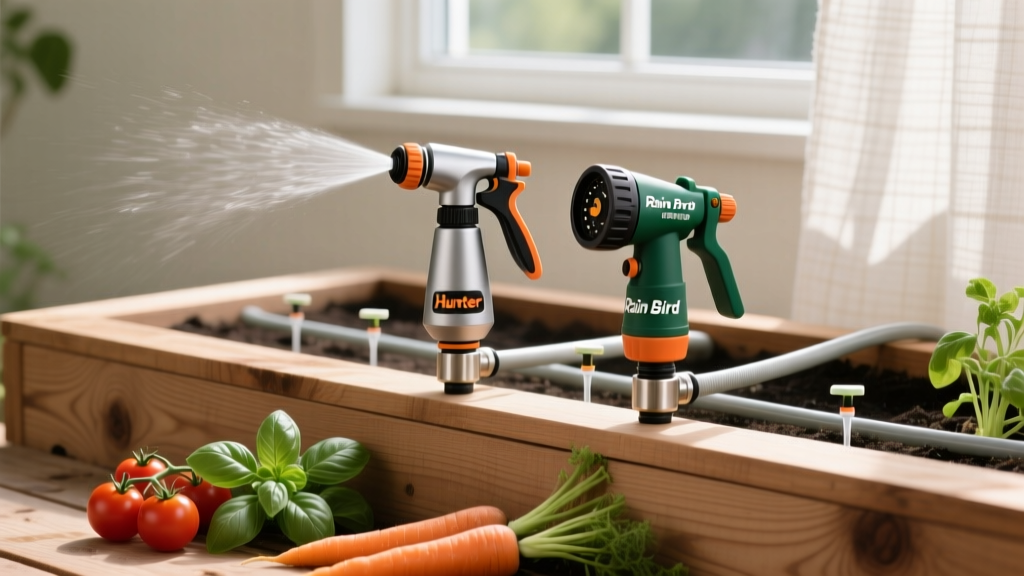
Hunter Pro Spray vs Rain Bird 1800: Raised Bed Guide 2026
Sarah ChenPublished
The Irrigation Dilemma in Raised Bed Vegetable Gardening
Raised bed vegetable gardening has seen a massive surge in popularity, and as we move through 2026, water conservation and disease prevention remain at the forefront of garden design. When growing high-value crops like heirloom tomatoes, peppers, and leafy greens, delivering water directly to the root zone is critical. Overhead watering can lead to fungal diseases such as powdery mildew and early blight, which thrive on wet foliage. According to the University of Minnesota Extension, consistent, targeted watering is the single most important factor in preventing blossom end rot and ensuring robust vegetable yields.
So, why are we discussing the Hunter Pro-Spray and Rain Bird 1800 series—traditionally known as turf sprinkler bodies—for raised bed vegetable gardens? The answer lies in their versatility. While standard spray nozzles are not ideal for established vegetables, these specific sprinkler bodies serve as the foundational risers for highly efficient drip conversion kits, micro-sprays, and low-volume rotator nozzles. Furthermore, many modern homesteads feature mixed-use zones where raised beds are surrounded by pollinator borders, cover crops, or grass pathways that require traditional spray coverage. Choosing the right body and nozzle ecosystem for your raised bed layout is essential for a thriving 2026 garden.
Clarifying Terminology: Bodies vs. Nozzles
Before diving into the comparison, it is important to clarify irrigation terminology. The Hunter Pro-Spray and Rain Bird 1800 are technically sprinkler bodies (the risers that pop up from the ground and connect to the PVC or polyethylene supply line). The nozzles are the interchangeable tips that screw into the top of these bodies. Both brands offer specialized nozzles and conversion adapters that transform these standard lawn bodies into precision vegetable watering tools. In this guide, we will compare how the Pro-Spray and 1800 bodies perform, alongside their respective nozzle ecosystems, specifically for raised bed applications.
Hunter Pro-Spray Ecosystem for Raised Beds
The Hunter Pro-Spray series is renowned for its rugged construction and innovative multi-stream flush seal, which helps prevent debris from clogging the nozzle during startup. For raised bed gardens, the most valuable iteration of this body is the Pro-Spray PRS (Pressure Regulating Stem), which automatically regulates water pressure to 40 PSI. This is crucial because raised bed drip lines and micro-sprays require low, consistent pressure to function correctly and avoid blowing out emitter fittings.
Best Hunter Nozzles and Adapters for Vegetables
- Hunter MP Rotator: If you are germinating seeds in a large 4x8 foot raised bed or watering a surrounding cover crop, the MP Rotator delivers slow, multi-stream coverage that minimizes runoff and soil compaction.
- Pro-Spray Drip Adapter (PC Adapter): This nozzle threads directly into the Pro-Spray body, converting it into a pressure-compensating drip zone header. It allows you to run 1/4-inch drip tubing directly into your raised beds to water tomatoes and peppers at the root level.
- Hunter Micro-Sprays: Ideal for cooling heat-stressed leafy greens like lettuce and spinach during late summer heatwaves without soaking the entire garden.
Rain Bird 1800 Ecosystem for Raised Beds
The Rain Bird 1800 series is the industry standard for reliability, featuring the patented Seal-A-Matic (SAM) check valve, which prevents low-head drainage. This is particularly useful if your raised beds are situated on a slight slope, as it stops water from draining out of the lowest sprinkler head and flooding your garden paths. Like Hunter, Rain Bird offers a pressure-regulating version (the 1800 PRS) that is highly recommended for 2026 vegetable garden setups.
Best Rain Bird Nozzles and Adapters for Vegetables
- Rain Bird R-VAN (Rotary Van Nozzle): The direct competitor to the MP Rotator, the R-VAN provides thick, wind-resistant streams. It is excellent for watering the grassy perimeters around your raised beds or providing gentle overhead watering for newly transplanted seedlings.
- 1800 Drip Conversion Kit (Xeri-Bug): Rain Bird's 1800 series easily accepts the Xeri-Bug drip adapter. This replaces the spray nozzle and provides multiple barbed outlets to run micro-tubing directly to the base of individual vegetable plants.
- MPR (Matched Precipitation Rate) Spray Nozzles: While generally used for turf, MPR nozzles with low trajectories (like the U-Series) can be used to irrigate low-growing root vegetables like carrots and radishes without wetting the foliage of taller neighboring plants.
Head-to-Head Nozzle and Conversion Comparison
To help you decide which system best fits your raised bed vegetable garden in 2026, we have broken down the core features of both ecosystems when adapted for agricultural use.
| Feature | Hunter Pro-Spray PRS | Rain Bird 1800 PRS |
|---|---|---|
| Factory Regulated Pressure | 40 PSI | 30 PSI or 45 PSI options |
| Check Valve / Seal Tech | Pro-Check (optional add-on) | SAM (built-in Seal-A-Matic) |
| Best Drip Conversion | PC Adapter / Xeri-Flow | 1800 Drip Kit / Xeri-Bug |
| Best Rotary Nozzle | MP Rotator (High efficiency) | R-VAN (Wind resistant) |
| Debris Flushing Mechanism | Multi-stream flush seal | Coil spring seal wiper |
| Estimated 2026 Cost per Head | $8.50 - $11.00 | $7.50 - $10.50 |
Crop-Specific Irrigation Strategies for 2026
Matching your nozzle or conversion adapter to the specific crops in your raised beds will dramatically improve your harvest. Here is how to configure your Hunter or Rain Bird bodies for different vegetable categories:
1. Solanaceous Crops (Tomatoes, Peppers, Eggplants)
These plants are highly susceptible to fungal pathogens when their leaves remain wet. Do not use standard spray nozzles. Instead, utilize the Hunter PC Adapter or the Rain Bird Xeri-Bug to convert the sprinkler body into a drip manifold. Run 1/4-inch micro-tubing with inline emitters directly to the base of each plant. The EPA WaterSense program heavily advocates for pressure-regulated drip irrigation, noting it can reduce outdoor water use by up to 50% compared to conventional spray methods while delivering water exactly where the plant needs it.
2. Leafy Greens and Brassicas (Lettuce, Spinach, Kale)
Leafy greens have shallow root systems and require consistent surface moisture. While drip tape is common, micro-sprays attached to a Pro-Spray or 1800 riser can be highly effective. By installing a low-volume micro-spray nozzle, you can create a gentle mist that cools the plants during hot summer afternoons and keeps the top inch of soil moist, which is vital for seed germination and preventing bolting.
3. Root Vegetables (Carrots, Beets, Radishes)
Root crops need deep, even moisture to prevent splitting and forking. If your raised beds are narrow (under 3 feet wide), standard spray nozzles like the Rain Bird MPR or Hunter Pro-Fixed can be used if the beds are on a dedicated zone. However, ensure the spray pattern does not overspray onto your walking paths, wasting water and creating muddy conditions.
Installation and Pressure Regulation Best Practices
When installing these bodies around raised beds, soil dynamics play a major role. Raised beds settle over time, and the soil level can drop. Both the Hunter Pro-Spray and Rain Bird 1800 offer adjustable risers, but it is highly recommended to use a swing joint or flexible poly pipe (often called 'funny pipe') to connect the body to the mainline. This allows you to easily adjust the height of the sprinkler body as you add fresh compost and soil to your raised beds each spring.
Furthermore, if you are converting a spray head to drip, you must use a pressure-regulating body (PRS) or install a separate pressure regulator at the zone valve. Standard municipal water pressure often exceeds 60 PSI, which will blow the fittings right off your drip lines and flood your raised beds. The 2026 models of both the Hunter PRS and Rain Bird 1800 PRS feature integrated flow sensors and shut-off caps, making mid-season maintenance and winterization significantly easier.
Filtration Requirements for Drip Conversions
One critical detail often overlooked by gardeners converting spray bodies to drip systems is filtration. Drip emitters and micro-sprays have tiny orifices that clog easily from mineral deposits and organic debris. While the Hunter multi-stream flush seal and the Rain Bird SAM wiper seal help keep the body clean, they do not filter the water entering the drip tubing. Always install a Y-filter with a 120-mesh screen at the zone valve before the water reaches your Pro-Spray or 1800 bodies. This simple $15 investment will save you hours of troubleshooting clogged emitters in the middle of the July growing season.
Conclusion
Choosing between the Hunter Pro-Spray and Rain Bird 1800 for your raised bed vegetable garden ultimately comes down to your specific site conditions and preferred nozzle ecosystem. If your garden features sloped terrain and you prioritize built-in check valves to prevent path flooding, the Rain Bird 1800 SAM is an exceptional choice. If you prefer the slow, highly efficient coverage of the MP Rotator for wide beds and surrounding pollinator zones, the Hunter Pro-Spray ecosystem is tough to beat. By leveraging pressure-regulating stems and drip conversion adapters, you can transform these traditional lawn sprinklers into precision agricultural tools, ensuring your 2026 vegetable harvest is abundant, disease-free, and water-efficient.