Lawn Care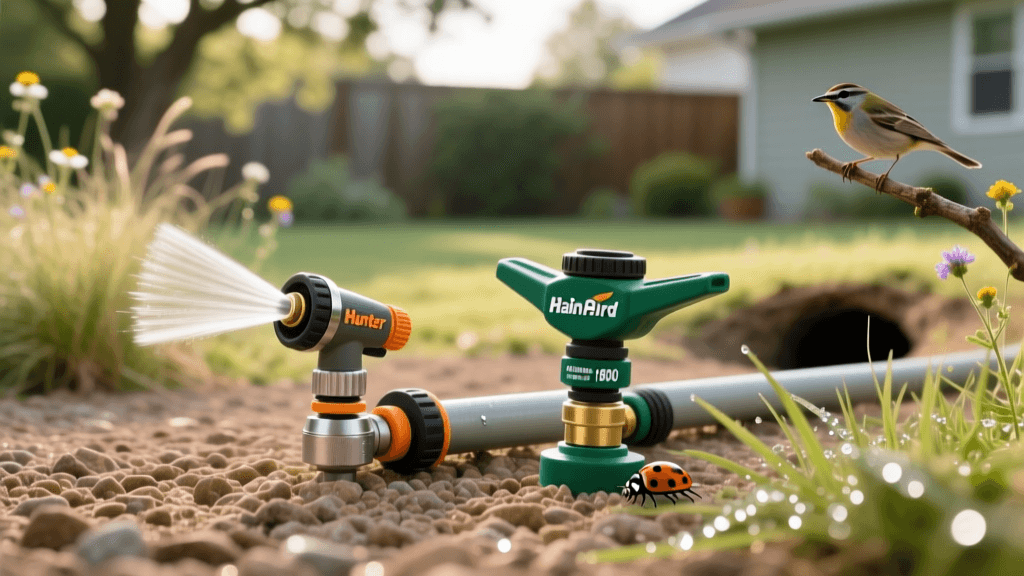
Hunter Pro Spray vs Rain Bird 1800: 2026 Wildlife Management
The Intersection of Irrigation and Yard Wildlife in 2026
When homeowners think about lawn care, the focus is usually on turfgrass health, weed suppression, and aesthetic curb appeal. However, as we move through 2026, a more holistic approach to landscape management has taken center stage: the intersection of irrigation hardware and local wildlife ecology. The sprinkler nozzles you choose do far more than deliver water; they dictate soil moisture profiles, influence the behavior of digging pests, and determine whether your yard becomes a sanctuary for beneficial creatures or a magnet for nuisance animals.
Two of the most dominant irrigation systems on the market are the Hunter Pro Spray series and the Rain Bird 1800 series. While both offer exceptional build quality and versatile nozzle ecosystems, their differing approaches to water delivery, droplet size, and precipitation rates have distinct impacts on yard animal management. According to the National Wildlife Federation, managing water distribution is a critical component of creating a balanced, wildlife-friendly habitat that naturally deters destructive pests while supporting local biodiversity.
In this comprehensive guide, we will compare the Hunter Pro Spray and Rain Bird 1800 series from the unique perspective of wildlife and yard animal management, helping you make an informed decision for your 2026 landscape upgrades.
How Sprinkler Nozzles Influence Animal Behavior
To understand why the debate between Hunter and Rain Bird matters for pest control, we must first examine how irrigation affects the food web in your topsoil.
Soil Moisture and Digging Pests
Moles, voles, and armadillos are primarily driven by the search for food—specifically earthworms, grubs, and soil-dwelling insects. Traditional, high-precipitation spray nozzles often deliver water faster than the soil can absorb it, leading to deep saturation and surface runoff. This excessive moisture forces earthworms and grubs closer to the surface to avoid drowning. Consequently, moles and armadillos learn that shallow tunneling yields high food rewards, resulting in the unsightly surface ridges and mounds that frustrate homeowners.
Conversely, low-precipitation, multi-stream rotary nozzles apply water slowly, allowing for deep, even infiltration. This encourages earthworms to remain deeper in the soil profile and promotes deeper turf root growth. As noted by the Wildlife Damage Management Extension, modifying soil moisture levels through precise irrigation is a primary cultural control method for reducing shallow mole and vole activity without resorting to harmful chemical repellents.
Surface Pooling and Unwanted Nocturnal Visitors
High-velocity traditional sprays often create localized puddling in uneven terrain or compacted soils. These temporary puddles act as convenient watering holes for larger nocturnal visitors, including raccoons, opossums, and even deer. By habituating these animals to your yard, you increase the likelihood of property damage, knocked-over trash receptacles, and the introduction of ticks and fleas. Upgrading to precision nozzles that eliminate surface pooling is a passive, highly effective deterrent for these thirsty pests.
Product Comparison Chart: Wildlife & Pest Impact
The following table compares the standard configurations of the Hunter Pro Spray and Rain Bird 1800 series when equipped with their respective modern, high-efficiency nozzles (Hunter MP Rotator and Rain Bird R-VAN) versus traditional fixed sprays.
| Feature | Hunter Pro Spray (MP Rotator) | Rain Bird 1800 (R-VAN) | Traditional Fixed Sprays |
|---|---|---|---|
| Precipitation Rate | Low (0.4 in/hr) | Medium (1.6 in/hr) | High (2.0+ in/hr) |
| Droplet Size & Velocity | Large, gentle multi-stream | Thick, heavy wind-resistant | Fine mist to heavy spray |
| Impact on Grub Depth | Keeps grubs deep (deters moles) | Moderate depth retention | Forces grubs shallow (attracts moles) |
| Surface Pooling Risk | Very Low | Low | High |
| Impact on Amphibians | Safe, gentle on toads/frogs | Safe, minimal misting | High velocity can harm beneficials |
| Nocturnal Pest Deterrence | Excellent (no puddles) | Good (reduced runoff) | Poor (creates muddy wallows) |
Hunter Pro Spray Ecosystem: Precision for Beneficials
The Hunter Pro Spray body, when paired with the legendary MP Rotator nozzle, represents the gold standard for low-precipitation irrigation in 2026. From a wildlife management perspective, this combination offers several distinct advantages.
First, the multi-stream delivery of the MP Rotator mimics a gentle, prolonged rain event. This slow application rate prevents the sudden saturation of the top inch of soil, which is the primary trigger for earthworm surfacing. By keeping the soil biology stable and deeper, you naturally discourage the shallow tunneling behavior of moles and the surface grazing of armadillos.
Second, the Hunter Pro Spray bodies feature an integrated check valve option that prevents low-head drainage. In yards with sloping terrain, standard sprinkler heads often leak water out of the lowest heads after the system shuts off, creating muddy, stagnant puddles. These puddles are prime breeding grounds for mosquitoes and attract raccoons looking for a mud bath. The check valve ensures the water stays in the pipe, keeping the surface dry and uninviting to moisture-loving pests.
Furthermore, the gentle streams of the MP Rotator are highly beneficial for ground-dwelling wildlife. Beneficial amphibians, such as toads and frogs, which act as natural pest control by eating slugs and mosquitoes, are not battered by high-velocity water droplets. The Irrigation Association consistently highlights that matching precipitation rates to soil infiltration not only conserves water but preserves the delicate micro-habitats required by beneficial insects and amphibians.
Rain Bird 1800 Series: Heavy Droplets and Pest Deterrence
The Rain Bird 1800 series remains a powerhouse in the irrigation industry, particularly when outfitted with the R-VAN (Rotary Van) nozzles. While the MP Rotator focuses on ultra-low precipitation, the R-VAN provides a slightly higher precipitation rate with exceptionally thick, heavy water streams.
Why does droplet weight matter for wildlife management? In coastal or plains regions where afternoon winds are common, fine misting from traditional sprays is easily blown off-target. This mist settles on hardscapes, creating slippery, algae-covered surfaces, or pools in low-lying garden beds, attracting snails and slugs. The heavy droplets produced by the Rain Bird R-VAN cut through the wind, ensuring that water penetrates the soil canopy directly. This targeted delivery prevents the creation of the damp, humid microclimates that slugs, snails, and pillbugs require to thrive, thereby protecting your ornamental plants from these destructive invertebrates.
Additionally, the Rain Bird 1800 series offers the Seal-A-Matic (SAM) check valve, which holds up to 14 feet of head elevation. This robust drainage prevention is crucial for keeping low-lying areas of your yard dry after irrigation cycles. Dry surface conditions are essential for deterring feral hogs and deer, which often use muddy, over-irrigated depressions as wallows or resting areas. By maintaining a firm, dry surface post-watering, the Rain Bird 1800 SAM system passively discourages large mammals from settling in your landscape.
Best Practices for Eco-Friendly Wildlife Management in 2026
Choosing between the Hunter Pro Spray and Rain Bird 1800 series is only the first step. To truly optimize your irrigation for wildlife and pest management, implement the following strategies this season:
- Water at Dawn: Watering between 4:00 AM and 6:00 AM allows the sun to dry the surface grass blades quickly. This prevents the prolonged surface humidity that attracts fungal gnats, slugs, and the birds or bats that might tear up your lawn hunting them at dusk.
- Utilize Smart Controllers with Soil Moisture Sensors: Overwatering is the number one cause of grub proliferation near the surface. By integrating a soil moisture sensor with your smart controller, you ensure the system only runs when the root zone genuinely needs water, keeping the topsoil relatively dry and unappealing to digging pests.
- Zone by Sun and Soil Type: Do not mix shaded, clay-heavy areas with sunny, sandy areas on the same valve. Shaded clay areas retain moisture longer, making them prime real estate for voles. Give these areas their own dedicated low-precipitation rotary zone to prevent accidental over-saturation.
- Maintain Nozzle Filters: Clogged nozzles create uneven spray patterns, leading to dry spots adjacent to flooded spots. Flooded spots become localized pest havens. Clean your Hunter and Rain Bird nozzle filters every spring to ensure uniform distribution.
Conclusion
The debate between the Hunter Pro Spray and Rain Bird 1800 series extends far beyond simple water coverage; it is a fundamental decision about how you manage the micro-ecosystem of your yard. If your primary wildlife concern is deterring moles, armadillos, and shallow-digging pests by maintaining deep, stable soil moisture, the Hunter Pro Spray with MP Rotators is your best choice for 2026. If you battle wind-drift, surface slugs, and large mammals seeking muddy wallows, the heavy, wind-resistant droplets and robust check valves of the Rain Bird 1800 series with R-VAN nozzles will serve you exceptionally well. By aligning your irrigation hardware with the principles of wildlife management, you can cultivate a lush, resilient lawn that naturally keeps nuisance animals at bay while supporting a healthy, balanced local ecology.