
Lawn Care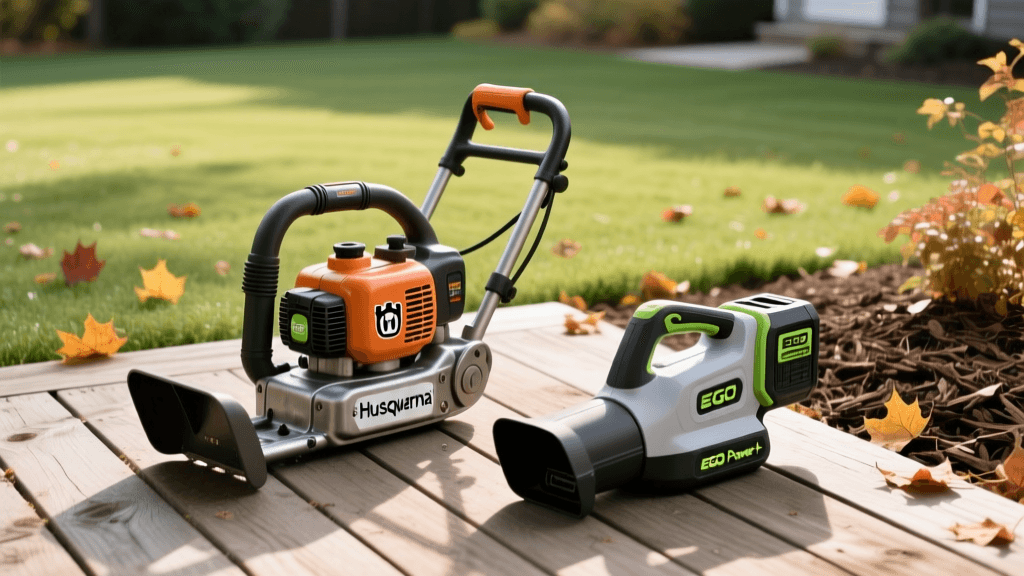
Husqvarna 150BT vs EGO Power+ Blower: 2026 Mulching Guide
The 2026 Mulching Landscape: Gas vs. Cordless Power
As we navigate the 2026 landscaping season, the shift toward sustainable yard waste management has never been more pronounced. Homeowners and professional landscapers alike are moving away from bagging and landfill disposal, opting instead to harness organic materials for soil health. Mulching methods and materials are at the forefront of this movement. However, managing heavy piles of oak leaves, distributing fresh cedar bark, or clearing delicate garden beds requires serious pneumatic power. This brings us to a critical showdown in the world of lawn care: the gas-powered Husqvarna 150BT versus the cordless EGO Power+ 765 CFM Backpack Blower. Which tool reigns supreme for mulch management?
The Role of Leaf Blowers in Mulch Management
When most people think of leaf blowers, they picture clearing autumn leaves from a driveway. But from a mulching perspective, a high-quality backpack blower is an indispensable material-handling tool. According to Penn State Extension, proper mulching conserves soil moisture, moderates soil temperature, and suppresses weeds. To achieve this, you must first gather, move, and place organic materials efficiently.
Mulching workflows in 2026 involve three primary blower tasks:
- Corralling Raw Materials: Gathering scattered leaves, pine needles, and grass clippings into centralized windrows for mower-chopping and eventual composting.
- Bed Preparation: Clearing winter debris out of existing hardwood or cedar mulch beds without displacing the expensive mulch itself.
- Hardscape Cleanup: Sweeping excess mulch off patios, driveways, and sidewalks immediately after a fresh delivery and spread.
Husqvarna 150BT: Gas-Powered Heavy Lifting
The Husqvarna 150BT remains a staple in the gas-powered arena, featuring a 51cc X-Torq engine designed to reduce emissions and fuel consumption while maintaining raw, unrelenting power. In 2026, its CARB-compliant carburetor tuning ensures reliable starts even in the damp, chilly mornings of late autumn when leaf mold gathering is at its peak.
With an air volume of roughly 765 CFM and an air speed of 251 MPH at the nozzle, the 150BT is a brute. When you are dealing with wet, matted sycamore leaves or heavy, damp pine straw that has fused to the topsoil, the Husqvarna’s high-velocity air stream acts like a broom, scraping the ground clean. The cruise control feature and padded harness make hauling this 22-pound machine across multi-acre properties manageable, though the vibration and noise are undeniable trade-offs.
EGO Power+ LB7654: Cordless Precision for Mulch Beds
The EGO Power+ 765 CFM Brushless Backpack Blower represents the pinnacle of 2026’s lithium-ion battery technology. Powered by the 56V ARC Lithium battery system, this cordless marvel delivers up to 765 CFM and 200 MPH. While its top speed is slightly lower than the Husqvarna’s, its variable speed dial and turbo button offer something gas blowers struggle with: precise, instantaneous throttle response.
When working around delicate landscape installations or freshly laid mulch beds, precision is everything. The EGO allows you to dial the airflow down to a gentle breeze, effectively blowing dead annuals and windblown trash out of a cedar mulch bed without scattering the mulch chips into the nearby lawn. Furthermore, the lack of exhaust fumes means you can work in enclosed courtyard gardens or near open windows without suffocating the homeowner or yourself.
Head-to-Head Comparison Chart
| Feature | Husqvarna 150BT (Gas) | EGO Power+ LB7654 (Cordless) |
|---|---|---|
| Power Source | 51cc 2-Cycle Gas Engine | 56V ARC Lithium-Ion Battery |
| Air Volume (CFM) | 765 CFM | 765 CFM |
| Air Speed (MPH) | 251 MPH | 200 MPH |
| Weight (w/ Battery) | ~22.5 lbs (with fuel) | ~23.8 lbs (with 5.0Ah battery) |
| Noise Level | High (Requires hearing protection) | Low (Noticeably quieter) |
| Throttle Control | Cruise control / Trigger | Variable dial + Turbo button |
Mulching Methods: Which Blower Wins Where?
Method 1: The Leaf Mold Corral (Heavy, Wet Debris)
Creating leaf mold is one of the most rewarding mulching methods. It involves gathering autumn leaves, chopping them with a mower, and letting them decompose into a rich, dark soil amendment. However, wet, chopped leaves are incredibly heavy and tend to mat together. In this scenario, the Husqvarna 150BT wins. Its 251 MPH air speed provides the necessary ground-scraping velocity to break the suction of wet leaves off the soil and push them into massive windrows. The EGO Power+ can move dry leaves with ease, but it requires multiple passes and closer proximity to move heavy, damp organic matter.
Method 2: The Spring Bed Renaissance (Precision Clearing)
Before laying down fresh mulch in the spring, you must clear the beds of winter debris. The Arbor Day Foundation emphasizes the importance of maintaining clean mulch rings around trees to prevent rot and pest infestations. When cleaning out a bed that still has a base layer of expensive hardwood mulch, you need finesse. The EGO Power+ is the undisputed champion here. By dialing the variable speed down to 30%, you can gently lift dead leaves and pine needles off the mulch bed without blowing the mulch chips into the neighboring fescue lawn. The Husqvarna’s gas engine tends to idle high, making delicate work frustrating and often resulting in displaced mulch.
Method 3: Hardscape Sweeping and Noise Ordinances
After spreading three cubic yards of cedar mulch across your garden beds, you will inevitably have stray chips covering your driveway and patio. Sweeping these back into the beds requires a wide, consistent air stream. Both blowers perform exceptionally well here. However, we must address the regulatory landscape of 2026. The Environmental Protection Agency and numerous local municipalities have cracked down on the noise and localized emissions of gas-powered lawn equipment. Many suburbs now enforce strict noise ordinances that ban gas blowers before 9:00 AM. If you are a professional landscaper who needs to mulch and clean hardscapes at 7:00 AM to beat the heat, the EGO Power+ is your only viable option to avoid fines and neighbor complaints.
Cost, Maintenance, and 2026 Realities
Owning a gas blower in 2026 requires a commitment to maintenance. The Husqvarna 150BT demands fuel stabilizers, periodic spark plug changes, air filter cleanings, and proper winterization to prevent the carburetor from gumming up. If you use it heavily during the mulching season, you will spend time and money on 2-cycle oil and premium non-ethanol gasoline.
Conversely, the EGO Power+ requires virtually zero mechanical maintenance. The primary cost consideration is the battery ecosystem. If you already own EGO mowers or string trimmers, utilizing your existing 56V batteries makes the EGO blower an incredibly cost-effective addition. However, if you are buying into the system from scratch, the initial investment for the blower, a high-capacity 5.0Ah or 7.5Ah battery, and a rapid charger will exceed the upfront cost of the Husqvarna. Yet, over a five-year period, the elimination of fuel and small-engine repair costs often tips the financial scale in favor of the cordless option.
Expert Verdict for Lawn Care Enthusiasts
When it comes to mulching methods and materials, the choice between the Husqvarna 150BT and the EGO Power+ depends entirely on your property size and the specific materials you handle. If you manage large, rural acreage, regularly move massive piles of wet, heavy oak leaves for composting, and face no noise restrictions, the Husqvarna 150BT remains an unstoppable force of nature. Its raw MPH is unmatched for ground-scraping power.
However, for the modern suburban homeowner or the eco-conscious landscaping professional focused on precise mulch bed maintenance, early morning hardscape cleanup, and zero-emission operation, the EGO Power+ LB7654 is the superior tool for 2026. Its variable speed control protects your investment in premium mulch materials, while its quiet operation keeps you on the right side of neighborhood noise ordinances. Ultimately, mastering your mulch starts with choosing the right tool to move it.