Lawn Care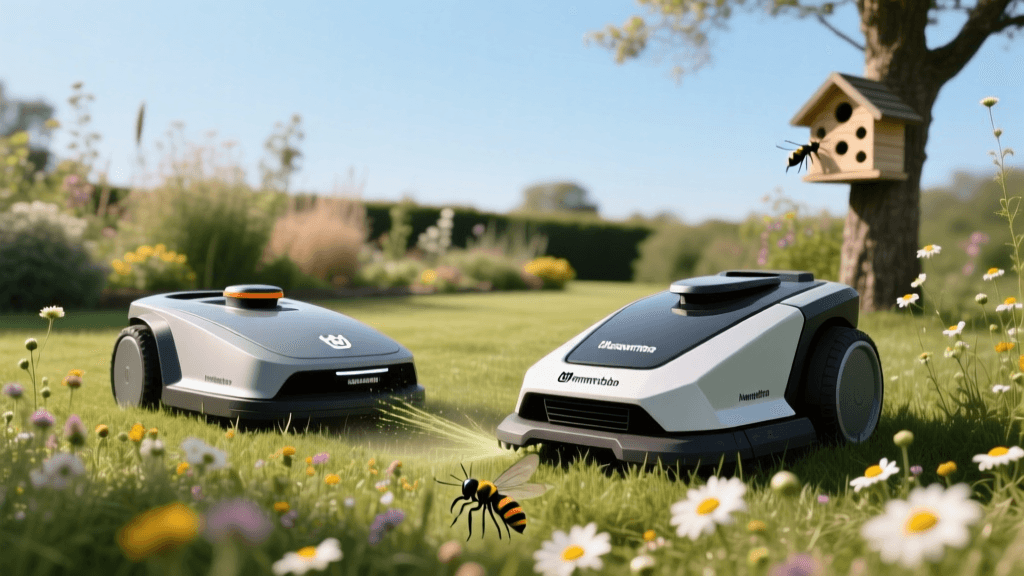
Automower vs Luba 2026: Best Robot Mower for Beneficial Insects
The 2026 Robotic Mower Landscape and Lawn Ecology
As we navigate the 2026 landscaping season, the shift toward autonomous lawn care has never been more pronounced. Homeowners are increasingly trading traditional gas-powered mowers for advanced robotic alternatives, driven by convenience, zero-emission operation, and smart-home integration. However, an often-overlooked aspect of this technological leap is its impact on the micro-ecosystem beneath our feet. For those practicing organic lawn care or relying on beneficial insects and bio-control to manage pests, the choice of robotic mower matters immensely. Today, we are putting two industry titans head-to-head: the Husqvarna Automower NERA series and the Mammotion Luba 2 AWD. Which of these 2026 flagship models best supports a thriving, bio-diverse lawn ecosystem?
Understanding Bio-Control in the Turfgrass Ecosystem
Before evaluating the hardware, it is crucial to understand what is at stake. A healthy lawn is not just a carpet of green grass; it is a complex biological matrix. According to the Xerces Society for Invertebrate Conservation, turfgrass environments can harbor essential predatory insects such as ground beetles (Carabidae), rove beetles, predatory mites, and parasitic wasps. These beneficial insects act as natural bio-control agents, hunting down destructive pests like lawn grubs, chinch bugs, and sod webworms without the need for disruptive chemical pesticides.
Mowing practices directly influence these insect populations. Cutting grass too short exposes ground-dwelling predators to avian hunters and desiccates the soil, killing off the microbial life that forms the base of the soil food web. Furthermore, the weight, vibration, and cutting patterns of a mower can either protect or destroy the delicate subterranean habitats of ground-nesting solitary bees and earthworms. Let us examine how the Husqvarna and Mammotion platforms handle these ecological responsibilities in 2026.
Husqvarna Automower NERA: The Micro-Mulching Master
The 2026 Husqvarna Automower NERA lineup, utilizing the EPOS (Exact Positioning Operating System) for wire-free boundary management, remains a pioneer in the autonomous mowing space. From a bio-control perspective, the Automower's greatest strength is its continuous micro-mulching capability. Because the Automower operates on a frequent, randomized schedule, it only clips a few millimeters of grass blade at a time.
These microscopic clippings decompose almost instantly, returning vital nitrogen and moisture to the soil without forming a suffocating thatch layer. This steady drip of organic matter feeds earthworms and beneficial nematodes, which in turn aerate the soil and prey on grub larvae. Additionally, the Automower's relatively lightweight chassis (typically under 35 lbs for mid-sized models) minimizes soil compaction. Compacted soil restricts the movement of predatory ground beetles and makes it difficult for ground-nesting bees to excavate their brood chambers. However, the Automower's traditional randomized bounce pattern can be a double-edged sword; the unpredictable routing means the mower may repeatedly pass over the same sensitive micro-habitats, potentially causing localized stress to surface-dwelling arthropods.
Mammotion Luba 2 AWD: Precision and Exclusion Zones
Entering the market as a formidable challenger, the Mammotion Luba 2 AWD has captured significant market share in 2026 thanks to its RTK GPS navigation, all-wheel-drive traction, and aggressive cutting capabilities. Unlike the Automower's random walk, the Luba 2 mows in highly systematic, user-defined patterns, including precise stripes and grids.
From an ecological standpoint, the Luba 2's systematic mowing offers a unique advantage for bio-control: predictability. Because the mower follows exact, repeatable paths, homeowners can use the 2026 Mammotion app to establish permanent 'no-mow' exclusion zones or wildflower refuges with centimeter-level accuracy. Leaving just 5% of your lawn unmowed as a tall-grass sanctuary provides an undisturbed overwintering habitat for ladybugs, lacewings, and predatory spiders. The Luba's dual-blade cutting deck also excels at handling taller, thicker grass in these transitional zones without scalping, ensuring that when you do mow near the edges of your bio-control zones, the structural integrity of the insect habitat remains intact.
The drawback of the Luba 2 is its physical footprint. Weighing in at over 60 lbs, the Luba 2 is significantly heavier than most Automower models. While its AWD system distributes this weight, the increased ground pressure can lead to mild soil compaction in wet conditions, which may hinder the subterranean movement of beneficial nematodes and earthworms.
Head-to-Head Eco-Comparison Table
| Feature | Husqvarna Automower 430X NERA (2026) | Mammotion Luba 2 AWD 5000 (2026) | Bio-Control Impact |
|---|---|---|---|
| Navigation | EPOS RTK (Wire-Free) | RTK GPS (Wire-Free) | Both allow precise mapping of eco-zones without trenching wires that disrupt root systems. |
| Mowing Pattern | Randomized | Systematic (Stripes/Grids) | Systematic paths (Luba) allow for predictable insect refuge zones; Random (Husqvarna) ensures even mulch distribution. |
| Weight / Compaction | ~33 lbs (Low Compaction) | ~62 lbs (Moderate Compaction) | Lighter mowers protect subterranean habitats of earthworms and ground-nesting bees. |
| Cutting Height | 0.8 - 3.6 inches | 1.0 - 4.0 inches | Higher cutting decks (Luba) provide better shade and moisture retention for soil microbes. |
| Operating Noise | ~60 dB | ~65 dB | Quieter operation reduces acoustic stress on local wildlife and pollinators. |
Noise, Vibration, and Ground-Nesting Pollinators
While the EPA's Safe Pest Control guidelines emphasize reducing chemical inputs to protect beneficial insects, physical disturbances like noise and vibration are equally critical. Ground-nesting bees, such as sweat bees and mining bees, are vital pollinators that construct their brood cells in the top few inches of soil. Heavy vibrations can collapse these delicate tunnels.
The Husqvarna Automower operates at a whisper-quiet 60 decibels and produces minimal low-frequency vibration due to its lightweight, pivoting blade discs. This makes it exceptionally friendly to ground-nesting pollinators. The Mammotion Luba 2, while boasting a powerful brushless motor, generates slightly more acoustic noise (around 65 dB) and a heavier vibrational footprint. If your lawn is known to harbor native ground-nesting bee populations, the Automower's lighter touch is the ecologically superior choice.
App Configuration for Insect Refuges
To maximize bio-control regardless of which 2026 model you choose, you must utilize the smart features to create insect havens. Here is how to configure your mower for ecological balance:
- Raise the Cutting Height: Set both the Automower and Luba to their maximum cutting heights (3.5 to 4.0 inches). Taller grass shades the soil, retaining moisture for beneficial fungi and providing a physical canopy that hides predatory beetles from birds.
- Establish 'Stay-Out' Zones: Use the EPOS or RTK mapping features to draw virtual fences around the perimeters of garden beds, tree rings, and fence lines. Allow these areas to grow wild, fostering habitats for lacewings and parasitic wasps that will naturally patrol your turf for aphids and grubs.
- Adjust Mowing Schedules: Avoid mowing during peak pollinator foraging hours. Schedule your robotic mower to operate at dawn or dusk when beneficial insects are less active and safely hidden in the thatch layer.
- Disable Edge Cutting in Spring: During early spring emergence periods, turn off the edge-cutting or boundary-wire-following features to avoid crushing overwintering larvae resting near hardscape borders.
Final Verdict for the Eco-Conscious Landscaper
Choosing between the Husqvarna Automower and the Mammotion Luba in 2026 ultimately depends on your specific lawn topology and bio-control strategy. If your primary goal is to minimize soil compaction, reduce acoustic disturbance, and maintain a perfectly balanced soil food web through continuous micro-mulching, the Husqvarna Automower NERA remains the undisputed champion of subterranean ecology. Its lightweight design is a boon for earthworms and ground-nesting bees.
Conversely, if you have a larger, sloped property and wish to actively manage distinct 'wild zones' and tall-grass refuges to harbor predatory insects, the Mammotion Luba 2 AWD offers the systematic precision and higher cutting deck required to maintain those transitional habitats without scalping. By leveraging the advanced RTK mapping of either mower, homeowners in 2026 can achieve a pristine, manicured lawn while simultaneously fostering a robust, natural bio-control army right in their own backyards.