Lawn Care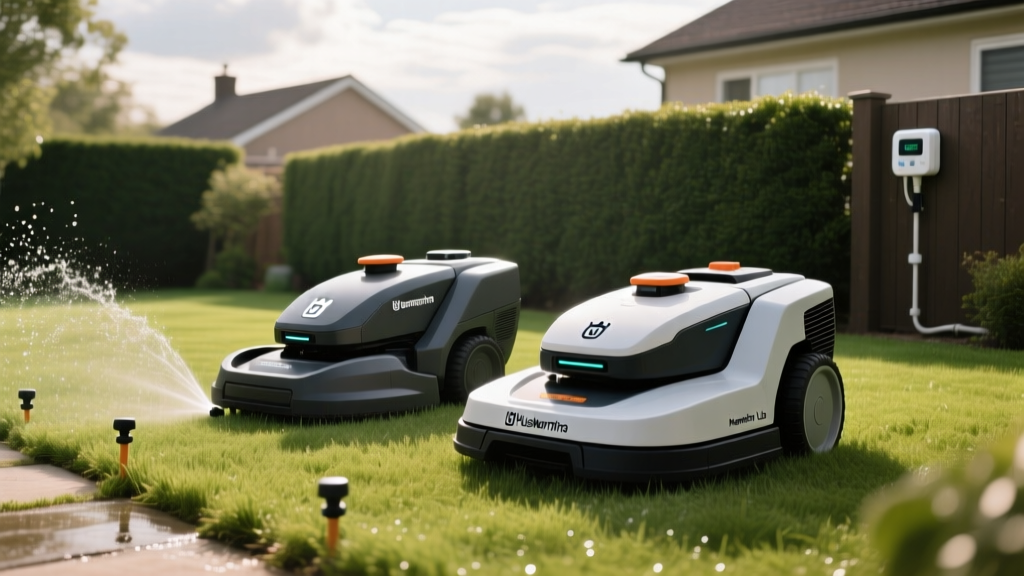
Husqvarna Automower vs Mammotion Luba: Irrigation Guide 2026
Mike RodriguezPublished
The Intersection of Robotic Mowing and Smart Irrigation in 2026
As we navigate the 2026 lawn care season, the integration of robotic mowers and smart sprinkler systems has become the ultimate frontier for turfgrass enthusiasts. The two undisputed heavyweights in the robotic mowing space are the Husqvarna Automower series (specifically the advanced EPOS RTK models) and the Mammotion Luba lineup (featuring their rugged AWD RTK GPS systems). While most comparisons focus strictly on cutting quality or slope handling, an often-overlooked factor is how these machines coexist with your lawn's sprinkler and irrigation infrastructure.
Mowing and watering are the two most critical pillars of lawn health. However, when automated machines share the same turf, conflicts can arise. From physical clearance over pop-up sprinkler heads to the synchronization of smart watering schedules, the way your robotic mower interacts with your irrigation system can make or break your lawn's appearance. In this comprehensive guide, we break down exactly how the Husqvarna Automower and Mammotion Luba perform in irrigated environments, helping you optimize your lawn care ecosystem for 2026.
The Infrastructure Clash: Boundary Wires vs. RTK GPS
For years, the traditional Husqvarna Automower relied on a physical boundary wire buried just beneath the soil surface. While effective for navigation, this wire is the natural enemy of irrigation maintenance. Shallow drip lines, PVC lateral pipes, and sprinkler head replacements often require digging in the top two inches of soil. Homeowners frequently sever their mower's boundary wire while repairing a leaking Rain Bird rotor or adjusting a sunken sprinkler head. Furthermore, core aeration—a vital practice for relieving soil compaction in heavily irrigated zones—can easily pull up and snap buried guide wires.
Fast forward to 2026, and the landscape has shifted dramatically. Mammotion has built its entire Luba brand around wire-free RTK (Real-Time Kinematic) GPS navigation. This means zero buried wires, allowing you to dig, aerate, and repair your sprinkler system without any fear of disabling your mower. In response, Husqvarna has heavily pushed their Automower NERA and EPOS series, which also utilize satellite-based RTK positioning to eliminate the need for boundary wires. If you are upgrading your irrigation system this year and plan to do extensive trenching for new PVC lines, opting for either the wire-free Mammotion Luba or the Husqvarna EPOS models is highly recommended to protect your infrastructure investment.
Navigating Pop-Up Sprinkler Heads and Uneven Terrain
One of the most common complaints from robotic mower owners is the mower colliding with, or getting high-centered on, pop-up sprinkler heads. Over time, soil erosion and settling can cause sprinkler heads to sit slightly above grade. When a low-profile mower runs over these raised heads, it can damage the mower's chassis, dull the blades, or even snap the sprinkler riser.
The Mammotion Luba series, particularly the 2026 Luba 3 AWD, features massive, deeply treaded wheels and a significantly higher ground clearance compared to traditional robotic mowers. This aggressive stance allows the Luba to roll right over slightly raised sprinkler heads and uneven terrain around irrigation valve boxes without missing a beat. Conversely, the Husqvarna Automower is famous for its low-slung, stealthy chassis designed to glide under low-hanging branches and blend into the landscape. While this low profile is excellent for avoiding obstacles, it requires your sprinkler heads to be perfectly flush with the soil grade. If your lawn has older irrigation infrastructure with uneven settling, the Mammotion Luba offers a distinct advantage in physical clearance.
Smart Home Integration: Syncing Mowers with Irrigation Controllers
The golden rule of turfgrass management is to never mow a soaking wet lawn. Mowing wet grass leads to uneven cuts, clumping, the spread of fungal diseases, and severe soil compaction. In 2026, smart irrigation controllers like the Rachio 4 and Hunter Hydrawise Pro use hyper-local weather data and soil moisture sensors to adjust watering schedules dynamically. Your robotic mower must be able to communicate with these systems to avoid mowing during or immediately after an irrigation cycle.
Both Husqvarna and Mammotion have made massive strides in API availability and smart home integration. Through platforms like IFTTT, Home Assistant, or native smart home ecosystems, you can create automated routines. For example, you can set a rule: 'If the smart irrigation controller activates any zone, pause the robotic mower for 4 hours.' According to the EPA WaterSense program, smart irrigation controllers can save thousands of gallons of water annually by adjusting to real-time weather, but this dynamic scheduling means your mower can no longer rely on a rigid, static timetable. The Mammotion app and the Husqvarna Automower Connect app both support these advanced webhooks, allowing seamless synchronization with your smart sprinkler system to ensure the mower only deploys when the grass blades are completely dry.
The Danger of Wet Grass: Soil Compaction and Disease
Irrigation zones that receive heavy, frequent watering are highly susceptible to soil compaction. When you introduce a heavy robotic mower into these saturated zones, the risk of creating deep ruts and compacting the soil profile increases exponentially. The Mammotion Luba is a powerhouse, but its AWD system and heavy battery make it substantially heavier than most Husqvarna models. Running the heavy Luba over a freshly watered clay-loam soil can lead to visible tracking and root-zone suffocation.
The University of Minnesota Turfgrass Science department recommends watering lawns deeply and infrequently, ideally in the early morning hours, to allow the surface to dry before the heat of the day. By aligning your smart sprinkler system to water at 4:00 AM and scheduling your Husqvarna or Mammotion mower to begin its cut at 10:00 AM, you allow the surface moisture to evaporate. This protects the soil structure from compaction and prevents the mower's wheels from slipping on wet slopes, which can tear the turf and invite pathogens.
Feature Comparison: Irrigation & Sprinkler Compatibility
| Feature | Husqvarna Automower (EPOS/NERA) | Mammotion Luba (AWD RTK) |
|---|---|---|
| Navigation Tech | RTK GPS (Wire-Free) | RTK GPS (Wire-Free) |
| Sprinkler Head Clearance | Low (Requires flush-grade heads) | High (Easily clears raised heads) |
| Weight & Soil Compaction Risk | Lower (Better for wet, soft soils) | Higher (Requires strict dry-mowing schedules) |
| Smart Irrigation Integration | Excellent (Native API & IFTTT) | Excellent (Webhooks & Home Assistant) |
| Irrigation Repair Safety | Safe (No buried wires to cut) | Safe (No buried wires to cut) |
5 Best Practices for Coexisting Mower and Sprinkler Systems
To get the most out of your automated lawn care setup in 2026, follow these expert guidelines recommended by the Irrigation Association and turfgrass professionals:
- Audit and Level Your Sprinkler Heads: Walk your lawn with a shovel and topsoil. Ensure every pop-up head is perfectly flush with the surrounding grade. This prevents the low-profile Husqvarna from bumping into them and ensures the Luba doesn't scalp the grass immediately surrounding raised heads.
- Implement a Rain and Irrigation Delay: Use your mower's built-in rain sensor, but do not rely on it alone. Rain sensors only detect precipitation from the sky, not water from your sprinklers. Use smart home automations to pause the mower whenever your irrigation controller runs a cycle.
- Adjust Mower Tracking Patterns: Both the Automower and Luba allow you to adjust their mowing patterns. Avoid setting the mower to follow the exact same perimeter path daily, especially along the edges where drip lines and shallow PVC pipes are buried. Random or GPS-optimized patterns distribute the mower's weight more evenly, preventing trenching over fragile irrigation lines.
- Protect Valve Boxes: Irrigation valve boxes often sink over time, creating a depression that can trap a robotic mower. Ensure all valve box lids are secure, level with the turf, and consider setting a virtual 'exclude zone' in your mower's app around large, uneven valve clusters.
- Schedule for Synergy: Set your smart irrigation controller to finish watering by 5:30 AM. Schedule your robotic mower to leave the charging station at 9:00 AM. This 3.5-hour window allows the morning sun and breeze to dry the grass blades, ensuring a clean, mulching cut that returns vital nutrients to the soil without clumping.
Conclusion
The debate between the Husqvarna Automower and the Mammotion Luba in 2026 ultimately comes down to your specific lawn topology and irrigation infrastructure. If your lawn features perfectly graded, flush-mounted sprinkler heads and you prioritize a lightweight machine that minimizes soil compaction in heavily watered zones, the Husqvarna Automower EPOS remains a top-tier choice. However, if your yard features uneven terrain, older irrigation systems with slightly raised pop-up heads, and steep slopes that require aggressive traction, the Mammotion Luba's high-clearance AWD design is unmatched.
Regardless of which brand you choose, the key to a pristine lawn in 2026 is integration. By leveraging smart home APIs to sync your robotic mower with your smart sprinkler controller, you ensure that your turf is only cut when dry, your soil remains uncompacted, and your irrigation infrastructure stays protected. Embrace the automation, but manage the timing, and your lawn will be the envy of the neighborhood.