Lawn Care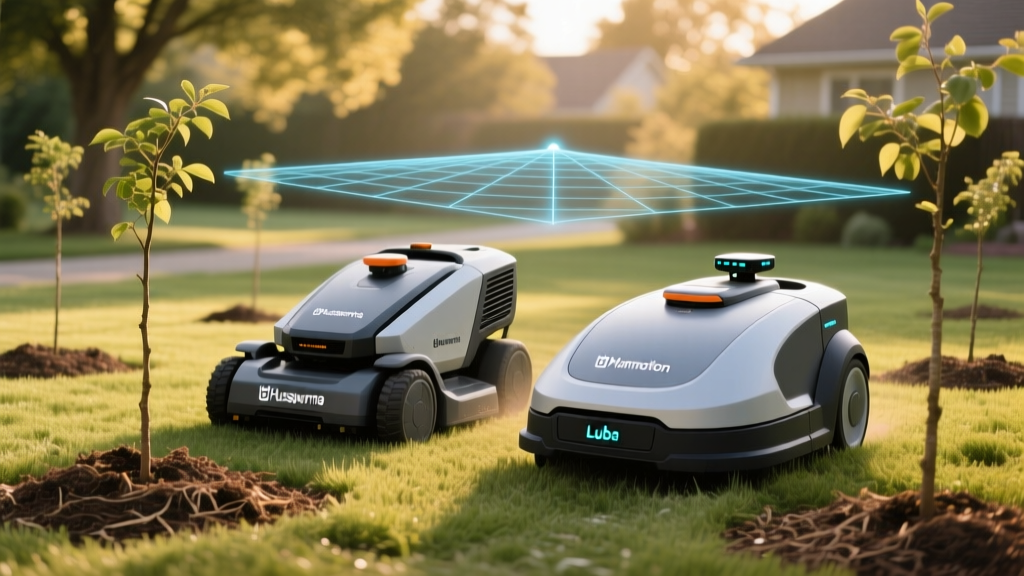
Husqvarna Automower vs Mammotion Luba: Tree Planting Guide 2026
Mike RodriguezPublished
The Intersection of Tree Planting and Robotic Mowing in 2026
As we navigate the 2026 landscaping season, the integration of automated lawn care with thoughtful arboriculture has never been more critical. Homeowners are increasingly asking how to select, plant, and maintain trees in yards managed by advanced robotic mowers. The two undisputed heavyweights in the wire-free robotic mower market are the Husqvarna Automower NERA series and the Mammotion Luba 2 AWD. While both offer exceptional cutting performance, their navigation technologies interact very differently with tree canopies, root flares, and complex garden beds.
Choosing the right trees and employing proper planting techniques is essential to ensure your robotic mower operates efficiently without damaging delicate saplings or struggling with GPS signal occlusion. This comprehensive guide explores how to harmonize your tree selection and planting strategy with the specific capabilities of the Husqvarna Automower and Mammotion Luba in 2026.
Tree Selection: Canopy Architecture and GPS Navigation
When selecting trees for a yard managed by a wire-free robotic mower, you must consider the canopy architecture and its impact on satellite navigation. Both the Mammotion Luba 2 AWD and the Husqvarna Automower NERA (utilizing the EPOS reference station) rely on satellite or radio-frequency line-of-sight to maintain precise boundaries.
High-Canopy Shade Trees vs. Dense Conifers
The Mammotion Luba 2 utilizes RTK (Real-Time Kinematic) GPS technology, which requires a relatively clear view of the sky to maintain a connection with multiple satellite constellations. Planting dense, low-hanging evergreens like the Blue Spruce or Weeping Willow can create 'signal shadows' where the mower loses positioning accuracy, leading to boundary drift or the mower becoming stuck.
Conversely, high-canopy deciduous trees such as the Red Maple (Acer rubrum), Bur Oak (Quercus macrocarpa), or Elm species allow satellite signals to penetrate the upper branches while still providing the dappled shade necessary for understory grass health. The Arbor Day Foundation notes that selecting trees with elevated mature canopies not only benefits lawn health but also improves airflow and light penetration, which is vital for the grass varieties typically maintained by robotic mowers.
Husqvarna’s EPOS system relies on a local reference station rather than direct satellite RTK, meaning it is slightly less susceptible to overhead canopy interference but highly sensitive to line-of-sight obstructions between the mower and the reference station. Therefore, when planting trees with Husqvarna NERA systems, you must ensure the trunk and lower branches do not block the direct visual path to your installed EPOS antenna.
Planting Techniques: Protecting Root Flares from Robot Blades
One of the most common mistakes in tree planting is burying the root flare too deeply. According to the Morton Arboretum, exposing the root flare and applying a proper mulch ring is critical for tree longevity. However, exposed roots and mulch rings present unique challenges for robotic mowers.
Designing Mower-Friendly Mulch Rings
Robotic mowers like the Mammotion Luba 2 and Husqvarna Automower are designed to handle subtle terrain changes, but aggressive root heaves or deep mulch moats can cause the mower to scalp the lawn or become high-centered. When planting a new tree in 2026, follow these steps to create a robotic-mower-safe root zone:
- Level the Transition Zone: Ensure the transition from the grass line to the mulch ring is completely flush. Avoid digging deep trenches around the mulch bed, as the mower's guide wheels will drop in, causing the cutting deck to scalp the surrounding turf.
- Use Hardscape Edging: Install steel or heavy-duty aluminum landscape edging flush with the soil surface. This provides a physical barrier that the mower's bump sensors can detect, keeping the blades safely away from the delicate bark of young saplings.
- Virtual Exclusion Zones: Both the 2026 Husqvarna Automower app and the Mammotion app allow you to draw virtual 'stay-out' zones. When planting a new tree, map a virtual exclusion zone with a 3-foot radius around the trunk to protect surface roots and bark from repeated bumper impacts.
2026 Model Comparison: Navigating Uneven Root Zones
Mature trees often cause significant ground heaving as their root systems expand. The ability of a robotic mower to navigate these uneven surfaces without damaging the tree roots or stalling is a key differentiator.
| Feature | Husqvarna Automower 550 NERA | Mammotion Luba 2 AWD 10000 |
|---|---|---|
| Navigation Tech | EPOS Reference Station (Radio) | RTK Satellite GPS + IMU |
| Slope & Root Heave Handling | 45% (24°) Slope Capacity | 80% (38°) AWD Slope Capacity |
| Tree Trunk Protection | Virtual Geofencing / Bumper | Virtual Geofencing / Sonar Sensors |
| Canopy Signal Interference | Moderate (Needs Ref. Station LoS) | High (Needs Clear Sky View) |
| Approximate 2026 Retail Price | $3,999 (w/ EPOS Kit) | $3,499 |
The Mammotion Luba 2 AWD's four-wheel-drive system gives it a distinct advantage in yards with massive, established oak or pine trees where the ground is heavily undulating. Its ability to climb 38-degree inclines means it will easily traverse exposed root systems that would cause a standard two-wheel-drive mower to slip or stall. However, the Husqvarna Automower 550 NERA offers superior edge-cutting precision, which is beneficial when navigating tight, complex pathways between closely planted ornamental trees.
Sapling Protection and Bark Damage Prevention
Young trees have incredibly thin bark that is easily damaged by the repeated impact of a robotic mower's chassis. While older mowers relied purely on physical bumpers, the 2026 iterations of these mowers include advanced proximity sensors.
The Mammotion Luba 2 features integrated sonar and ultrasonic sensors that can detect obstacles like thin sapling trunks before the bumper makes contact, gently redirecting the mower away from the tree. Husqvarna relies on a combination of GPS virtual walls and physical bump sensors. For trees with a trunk diameter of less than 4 inches, it is highly recommended to use a physical tree guard or a spiral plastic wrap during the first three years of growth, regardless of which mower brand you choose. The University of Minnesota Extension emphasizes that protecting young bark from mechanical damage is essential to prevent the entry of fungal pathogens and boring insects.
Shade Grass Selection for Robotic Mowing
Planting the right tree is only half the battle; selecting the correct understory grass is equally important. Robotic mowers operate on a frequent, light-trimming schedule, which is actually ideal for shade-stressed grasses. Under the canopy of large shade trees, traditional Kentucky Bluegrass will thin out and invite weed invasion.
For 2026, turf experts recommend overseeding tree-dense areas with Fine Fescue blends (such as Creeping Red Fescue or Chewings Fescue). These grasses require less nitrogen, tolerate the dry shade created by tree root competition, and respond beautifully to the daily micro-cuts delivered by the Husqvarna and Mammotion mowers. By combining high-canopy tree selection, flush mulch ring planting, and shade-tolerant grass species, you can create a symbiotic landscape where both your trees and your robotic mower thrive effortlessly.
Final Thoughts on 2026 Landscaping
Integrating tree planting with robotic lawn care requires a shift in how we view landscape design. By understanding the navigation limitations of RTK GPS and EPOS systems, and by prioritizing root flare health and flush mulch transitions, homeowners can enjoy a pristine, automated lawn without sacrificing the beauty and environmental benefits of a diverse tree canopy. Whether you choose the rugged, slope-conquering Mammotion Luba 2 AWD or the precision-engineered Husqvarna Automower NERA, thoughtful tree selection and planting will ensure your landscape remains healthy, vibrant, and perfectly maintained for decades to come.