Gardening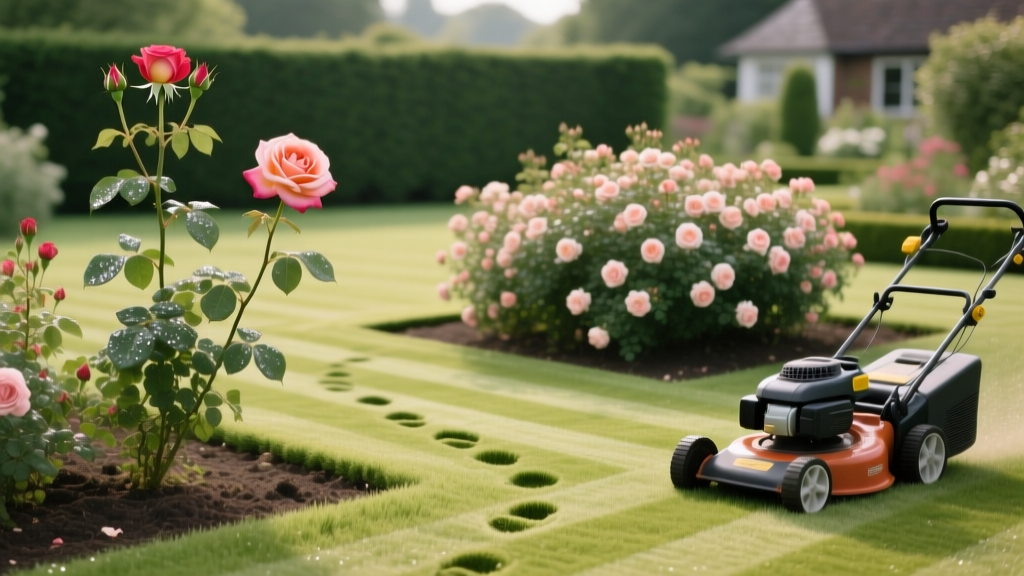
2026 Rose Care: Hybrid Tea vs Floribunda Pruning & Lawn Patterns
Lisa ThompsonPublished
The 2026 Integrated Approach: Roses and Lawn Mowing Patterns
As we navigate the 2026 gardening season, the most successful landscapes treat the lawn and the garden beds as a single, interconnected ecosystem. Nowhere is this more apparent than in the cultivation of roses. While many gardeners focus exclusively on the soil within the rose bed, the health, aesthetic framing, and disease resistance of your roses are heavily influenced by the mowing techniques and patterns used on the adjacent turf. Whether you are cultivating the elegant, single-stem blooms of Hybrid Tea roses or the vibrant, mass-flowering clusters of Floribundas, integrating precise pruning and feeding schedules with strategic lawn mowing patterns is the ultimate key to a flawless yard this year.
In this comprehensive 2026 guide, we will break down the distinct pruning and feeding requirements for Hybrid Tea versus Floribunda roses. Furthermore, we will explore how advanced lawn mowing patterns, clipping management, and perimeter edging techniques can drastically improve airflow, reduce fungal disease pressure, and visually elevate your rose garden.
Hybrid Tea vs. Floribunda: 2026 Pruning Strategies
Pruning is essential for directing plant energy, encouraging vigorous new growth, and maintaining the structural integrity of your roses. However, Hybrid Teas and Floribundas require distinctly different approaches to achieve their best performance in 2026.
Pruning Hybrid Tea Roses
Hybrid Tea roses are prized for their large, classically shaped blooms borne on long, sturdy stems. Because they put so much energy into individual flowers, they require a more aggressive pruning strategy to ensure strong, upright cane development.
- Timing: Prune in late winter or early spring, just as the leaf buds begin to swell but before they break open. In most temperate zones, this falls between late February and mid-March.
- Technique: Aim for an open 'vase' shape. Select 3 to 5 healthy, outward-facing canes and remove all dead, diseased, or crossing wood.
- The Cut: Make your cuts at a 45-degree angle, exactly 1/4 inch above an outward-facing bud. This angle prevents water from pooling on the cut surface, which can lead to dieback.
- Height: Reduce the overall height of the plant by about 50%, leaving canes that are roughly 12 to 18 inches tall.
Pruning Floribunda Roses
Floribundas are the workhorses of the rose garden, producing massive clusters of blooms continuously from early summer until the first hard frost. They are naturally bushier and require a lighter, more shaping-focused pruning approach.
- Timing: Similar to Hybrid Teas, major pruning occurs in early spring. However, deadheading (removing spent blooms) must be done regularly throughout the 2026 growing season to encourage the next flush of flowers.
- Technique: Retain more canes than you would on a Hybrid Tea—typically 5 to 8 main canes. The goal is to maintain a dense, rounded shrub shape that can support heavy flower clusters.
- The Cut: Prune back by about one-third of the plant's total height. Remove spindly, weak growth (anything thinner than a pencil) to ensure the plant doesn't waste energy on underperforming stems.
2026 Feeding Protocols for Maximum Blooms
Roses are heavy feeders, and the 2026 consensus among horticulturists leans heavily toward building long-term soil biology rather than relying solely on synthetic salt-based fertilizers. According to the Texas A&M AgriLife Extension, a balanced approach combining organic matter with targeted macronutrients yields the most resilient plants.
Spring Awakening Feed (March - April)
Once you have completed your pruning and the soil temperature consistently reaches 55°F, apply a granular, slow-release organic rose fertilizer with an NPK ratio of roughly 4-3-3 or 5-5-5. Supplement this with a 2-inch top-dressing of premium compost and a handful of kelp meal to provide essential trace minerals and stimulate root growth.
Summer Sustenance (June - August)
During the peak heat of summer, switch to liquid feeding every two weeks. A liquid fish emulsion or compost tea provides immediate nutrients without the risk of burning the roots or pushing excessive, aphid-attracting vegetative growth. Always water your roses deeply the day before applying any liquid fertilizer.
Autumn Wind-Down (September)
Stop feeding nitrogen by early September. Applying a high-potassium organic amendment, such as greensand or wood ash (in moderation), helps harden the canes for winter dormancy.
The Mowing Connection: Patterns, Airflow, and Clippings
This is where the art of lawn care meets the science of rose cultivation. The way you mow the turf surrounding your rose beds directly impacts the microclimate, disease pressure, and visual presentation of your flowers. Implementing specific mowing techniques in 2026 will protect your investment in both your turf and your roses.
Mowing Height and Disease Prevention
Maintaining your cool-season or warm-season turf at a height of 3.5 to 4 inches is critical when adjacent to rose beds. Taller grass shades the soil, retaining moisture for the lawn while preventing soil-borne fungal spores (like those that cause Black Spot) from splashing up onto the lower canes of your Hybrid Teas and Floribundas during heavy rains. Furthermore, taller turf acts as a physical barrier against dust and debris that can coat rose leaves and impede photosynthesis.
Clipping Ejection and Perimeter Passes
One of the most common mistakes homeowners make is allowing the mower deck to discharge grass clippings directly into the mulch beds. As these clippings decompose, they create a damp, matted environment that harbors pests and fungal pathogens right at the base of your roses.
The Technique: Always execute a 'Perimeter Pass' around the rose beds with the mower deck's side-discharge chute pointed away from the garden, toward the center of the lawn. If you are mulching your lawn, ensure the blades are razor-sharp to pulverize the clippings completely, preventing them from blowing into the rose bed's root zone.
Striping Patterns for Visual Framing
From an aesthetic standpoint, your lawn is the canvas upon which your roses are painted. Utilizing alternating mowing patterns, such as the 'Checkerboard' or 'Diagonal Stripe', draws the eye directly toward the structural focal points of your garden.
- Diagonal Stripes: Mowing at a 45-degree angle to the rose bed creates a dynamic sense of motion, leading the viewer's eye from the lawn straight into the Floribunda borders.
- Perimeter Banding: Create a distinct, double-width perimeter band around the rose beds by mowing the outer edge in a clockwise direction, then filling in the center with alternating straight lines. This creates a 'frame' that makes the colors of your Hybrid Tea blooms pop visually.
Edging and the Buffer Zone
Never allow turfgrass to grow directly against the base of a rose bush. Grass roots will compete aggressively for water and nutrients. Use a half-moon edger or a motorized stick edger to maintain a crisp, 4-inch deep trench between the lawn and the rose bed's mulch line. This physical barrier stops creeping grasses like Bermuda or Zoysia from invading the bed and makes string-trimming safer, preventing accidental damage to the rose canes.
Comparison Chart: Hybrid Tea vs. Floribunda Care
| Feature | Hybrid Tea Roses | Floribunda Roses |
|---|---|---|
| Bloom Habit | Single, large blooms on long stems | Clusters of smaller blooms on short stems |
| Pruning Goal | Open vase shape; maximize airflow | Rounded shrub; support heavy clusters |
| Canes to Retain | 3 to 5 main canes | 5 to 8 main canes |
| Spring Cutback | 50% of total height (12-18 inches) | 33% of total height |
| Ideal Garden Placement | Focal points, cutting gardens | Mass borders, edging along lawns |
| Mowing Proximity | Requires strict edging buffer | Benefits from tall turf windbreaks |
Your Integrated 2026 Maintenance Schedule
To keep your lawn patterns sharp and your roses blooming profusely, follow this integrated monthly schedule:
- March: Prune roses. Edge lawn borders. Apply first granular feed and 2 inches of mulch. Mow lawn at 3 inches.
- May: Begin deadheading Floribundas. Raise mower deck to 4 inches to prevent soil splash onto rose canes. Apply liquid kelp feed.
- July: Maintain strict perimeter mowing (discharge away from beds). Water roses deeply at the base early in the morning. Monitor for Japanese beetles.
- September: Stop nitrogen feeding. Execute final diagonal striping pattern on the lawn to highlight autumn rose blooms. Apply potassium-rich amendment.
- November: Mow lawn short for the final winter cut (to prevent snow mold). Mound compost around the base of Hybrid Teas for winter insulation.
Conclusion
Gardening in 2026 is about recognizing the synergy between different elements of your outdoor space. By mastering the specific pruning and feeding needs of Hybrid Tea and Floribunda roses, and pairing that knowledge with intelligent, health-conscious lawn mowing patterns, you create a landscape that is not only breathtakingly beautiful but inherently resilient. For further reading on advanced pruning techniques and regional rose care, consult the Royal Horticultural Society (RHS) Pruning Guide. Treat your lawn and your roses as partners, and your garden will thrive all season long.
