Gardening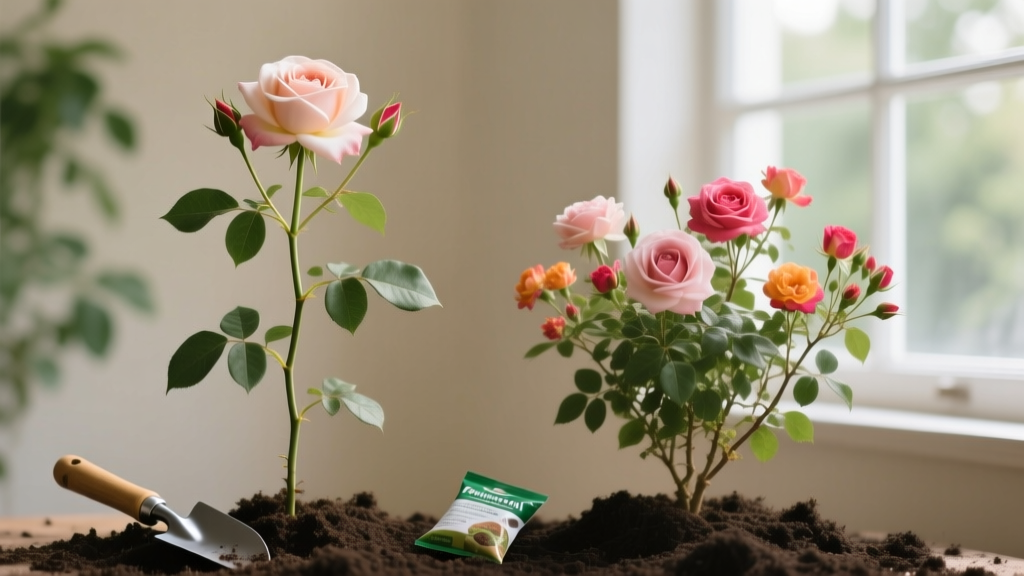
2026 Guide: Hybrid Tea vs Floribunda Rose Pruning & Feeding
Sarah ChenPublished
Introduction to Rose Pruning and Feeding in 2026
As we enter the 2026 gardening season, cultivating spectacular roses requires a nuanced understanding of your specific cultivars. While all roses benefit from annual maintenance, the techniques and timing for hybrid tea roses differ significantly from those required for floribundas. Whether you are growing classic, long-stemmed hybrid teas for cutting or mass-flowering floribundas for vibrant landscape borders, applying the correct pruning methods and feeding schedules is non-negotiable. This comprehensive guide breaks down the exact pruning angles, cane selection strategies, and 2026 fertilizer recommendations to ensure your rose garden thrives.
Understanding the Core Differences
Before making a single cut, it is vital to understand the growth habits of your roses. According to the Royal Horticultural Society (RHS), recognizing the natural habit of the plant dictates your pruning severity.
- Hybrid Tea Roses: Known for producing one large, elegant bloom per stem. They tend to grow more upright and leggy. To support massive blooms, they require a harder prune to direct energy into fewer, stronger canes.
- Floribunda Roses: These produce large clusters of smaller blooms continuously throughout the season. They have a bushier, more branched growth habit. Pruning is generally lighter, focusing on shaping and maintaining an open center for airflow.
Pruning Methods & Timing: Hybrid Tea Roses
When to Prune
Timing is everything. For most temperate climates (USDA Zones 5-7), the ideal window for major spring pruning is when the leaf buds begin to swell but before they fully open—often coinciding with the blooming of forsythia bushes in your area. In 2026, with shifting spring temperatures, watch the plant rather than the calendar. In warmer zones (8-9), prune in late January or early February. In colder zones (4 and below), wait until mid-to-late April after the threat of a hard, cane-killing freeze has passed.
Step-by-Step Pruning Technique
Hybrid teas demand a "hard prune" to encourage vigorous new growth capable of supporting heavy blooms.
- Clear the Dead Wood: Remove any black, brown, or shriveled canes down to the base. Cut away any canes thinner than a pencil.
- Open the Center: Remove any canes growing inward or crossing each other. You want a vase-like shape to promote airflow and reduce fungal diseases like black spot.
- Select the Best Canes: Choose 3 to 5 robust, bright green canes that radiate outward from the center.
- Make the Cut: Cut the selected canes back to a height of 12 to 18 inches. Make a 45-degree angle cut about 1/4 inch above an outward-facing bud eye. This forces the new growth outward, maintaining the open vase shape.
Pro Tip: Always seal pruning cuts larger than a nickel with a non-toxic pruning sealer or even a dab of Elmer's wood glue to prevent rose cane borers from entering the pith, a practice heavily endorsed by master rosarians in 2026.
Pruning Methods & Timing: Floribunda Roses
When to Prune
Floribundas follow the same seasonal timing cues as hybrid teas (swelling buds and forsythia blooms). However, because they are often used in mass landscape plantings, you can be slightly more relaxed with the exact calendar date, focusing instead on the overall health and shape of the shrub.
Step-by-Step Pruning Technique
Floribundas require a "moderate prune." If you prune them as hard as a hybrid tea, you will sacrifice your first major flush of spring blooms.
- Sanitation First: Just like hybrid teas, remove all dead, diseased, or damaged wood. Clear away any fallen debris from the base of the plant to disrupt the life cycle of overwintering fungal spores.
- Shape and Thin: Aim to leave 5 to 7 healthy canes. Because floribundas are naturally bushier, you do not need to be as aggressive in opening the center, though removing severely crossing branches is still necessary.
- Reduce Height: Cut the remaining canes back to about 18 to 24 inches. You do not need to be as meticulous about finding an exact outward-facing bud eye on every single cut; a general shaping cut to maintain a uniform, mounded appearance is sufficient for landscape floribundas.
Comparison Chart: Hybrid Tea vs. Floribunda Pruning
| Feature | Hybrid Tea Roses | Floribunda Roses |
|---|---|---|
| Pruning Severity | Hard Prune (Aggressive) | Moderate Prune (Shaping) |
| Target Spring Height | 12 to 18 inches | 18 to 24 inches |
| Ideal Canes to Keep | 3 to 5 thick canes | 5 to 7 moderate canes |
| Cut Angle Focus | Strictly 1/4" above outward bud | General shaping, less strict |
| Bloom Habit | Single, large bloom per stem | Clusters of smaller blooms |
2026 Feeding Strategies for Maximum Blooms
Pruning sets the stage, but feeding fuels the performance. Roses are heavy feeders, and the 2026 market offers excellent organic and synthetic options tailored to specific soil profiles. According to Penn State Extension, a soil test should always precede your fertilization regimen to avoid phosphorus buildup, which can lock out essential micronutrients like zinc and iron.
Organic vs. Synthetic Fertilizers
For long-term soil health, organic granular fertilizers are the gold standard. Espoma Rose-tone (4-3-2) remains a top choice in 2026, priced around $22 for an 8-pound bag. It contains beneficial microbes that improve soil structure and nutrient uptake. Apply 1/2 cup per plant in early spring, scratching it into the top inch of soil and watering thoroughly.
If you are pushing for massive exhibition-sized hybrid tea blooms, you may supplement with a water-soluble synthetic fertilizer like Miracle-Gro Water Soluble Rose Plant Food (18-24-16) during the active growing season. Use it every two weeks at a rate of 1 tablespoon per gallon of water. However, be cautious: over-reliance on high-nitrogen synthetics can produce lush, sappy green growth that is highly susceptible to aphids and powdery mildew.
The 2026 Feeding Schedule
- Early Spring (Post-Pruning): Apply a slow-release organic granular fertilizer (like Espoma Rose-tone) and a top-dressing of rich compost.
- Late Spring (First Bloom Flush): Feed with a liquid kelp or fish emulsion to support the energy demands of flowering.
- Early Summer (July): Apply a second round of granular fertilizer to fuel the mid-summer flush.
- Stop Feeding: Cease all fertilization 6 to 8 weeks before your first expected fall frost. Forcing late-season growth will result in tender canes that will die back during winter.
Essential Tools and Disease Prevention
You cannot execute precise pruning cuts with dull, rusty tools. Invest in a high-quality bypass pruner. The Felco F-2 Classic Bypass Pruner (retailing around $65 in 2026) is an industry staple. Its hardened steel blade makes clean, 45-degree cuts without crushing the rose cane's vascular tissue. Avoid anvil pruners, as they tend to crush the pith, inviting disease.
Disease prevention starts the moment you finish pruning. Immediately rake up and dispose of all clipped canes and old mulch. Do not compost diseased rose material. Replace with a fresh 2-inch layer of organic mulch, keeping it a few inches away from the base of the canes to prevent crown rot. If your area is prone to black spot, begin a preventative fungicide spray program using a neem oil or copper-based fungicide as soon as the new leaves begin to unfurl. For more regional advice on pest management, consult the University of Minnesota Extension guidelines on integrated pest management for ornamental shrubs.
Conclusion
Mastering the distinct pruning and feeding requirements of hybrid tea and floribunda roses is the key to a breathtaking 2026 garden. By applying a hard, vase-shaped prune to your hybrid teas and a moderate, shaping prune to your floribundas, you align your gardening efforts with the natural biology of the plants. Pair these techniques with a disciplined, soil-conscious feeding schedule, and you will be rewarded with vigorous growth, disease resistance, and an endless supply of spectacular blooms from early summer right through to the autumn frost.
