Tree Care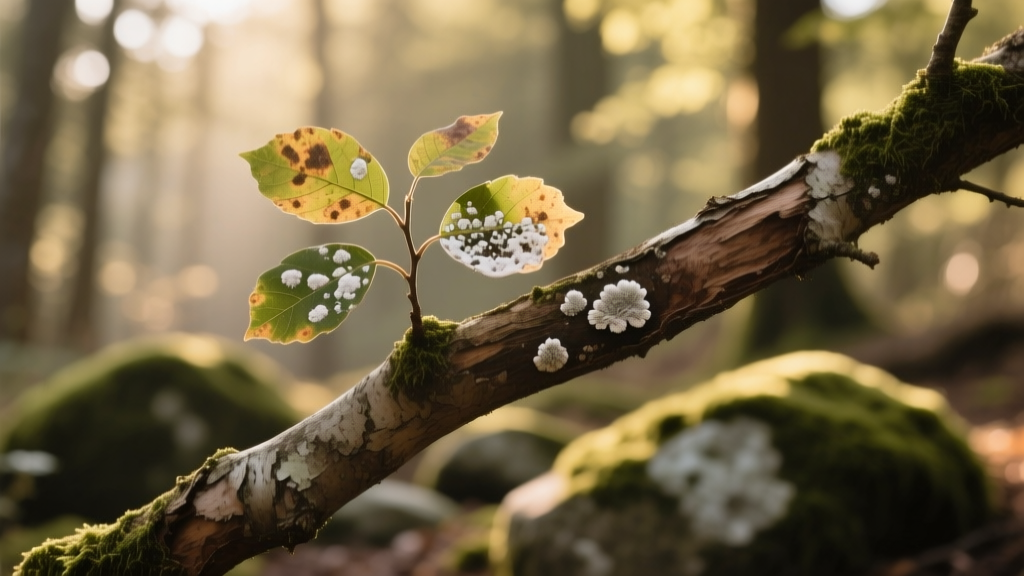
Identify and Treat Common Fungal Tree Diseases Fast
David ParkPublished
The Intersection of Lawn Care and Tree Health
Homeowners who are vigilant about lawn disease identification often notice a frustrating pattern: the same damp, humid environmental conditions that trigger fungal outbreaks in turfgrass frequently leap into the canopies of prized shade trees. Treating your landscape holistically means applying the same rigorous identification and treatment protocols to your trees as you do to your lawn. Fungal pathogens do not respect property lines or plant species boundaries. Overwatered lawns, poor drainage, and excessive overhead irrigation create microclimates that serve as incubators for devastating tree diseases. In this comprehensive guide, we will explore how to identify, treat, and prevent the most common fungal tree diseases using the same analytical approach you use for lawn care.
Anthracnose: The Moisture-Loving Canopy Killer
Anthracnose is not a single disease, but rather a group of closely related fungal diseases caused by pathogens such as Apiognomonia and Colletotrichum. It thrives in cool, wet spring weather—the exact same conditions that breed dollar spot and leaf spot diseases in cool-season turfgrasses. Anthracnose primarily attacks sycamore, oak, maple, ash, and dogwood trees.
Identification and Symptoms
Unlike the uniform circular patches seen in lawn diseases, anthracnose presents as irregular, tan to brown blotches on leaves, often located along the leaf margins or between the veins. As the disease progresses, you may notice severe twig dieback, premature defoliation, and the formation of small, dark fungal fruiting bodies on the undersides of infected leaves. According to the Clemson University Home & Garden Information Center, repeated years of severe anthracnose infection can weaken a tree's overall vigor, making it highly susceptible to secondary borers and environmental stress.
Treatment and Fungicide Application
Treating anthracnose requires precise timing. Fungicide applications are only effective if applied as a preventative measure just before or during bud break in early spring. Once the fungal lesions are visible on mature leaves, contact fungicides will not cure the existing damage.
- Active Ingredients: Look for products containing Chlorothalonil, Mancozeb, or Propiconazole.
- Product Recommendations: Bonide Fung-onil Multi-Purpose Fungicide (Chlorothalonil) or Southern Ag Liquid Copper Fungicide for organic-leaning approaches.
- Measurements: Mix 2.5 to 3.0 fluid ounces of concentrate per gallon of water for standard canopy coverage.
- Cost: Expect to spend between $18 and $35 for a 16 oz concentrate bottle, which can treat multiple mature trees when diluted properly.
Powdery Mildew: The Humid Paradox
Powdery mildew is unique among fungal diseases. While most lawn and tree fungi require free-standing water on the leaf surface to germinate, powdery mildew actually thrives in high humidity but dry foliage. This often occurs in late spring and early summer when days are warm, nights are cool, and dense landscape plantings restrict airflow.
Identification and Symptoms
True to its name, powdery mildew appears as a white to grayish talcum powder-like growth on the upper surfaces of leaves, young shoots, and sometimes flowers. It heavily impacts dogwoods, crape myrtles, oaks, and maples. Infected leaves may curl, turn yellow, and drop prematurely. The Penn State Extension notes that while powdery mildew rarely kills a mature tree outright, it severely reduces photosynthetic capacity and ruins the aesthetic value of ornamental landscape trees.
Treatment and Fungicide Application
Because powdery mildew spores are easily dispersed by wind, treatment must be swift and comprehensive. Systemic fungicides often provide better control than contact sprays because they are absorbed into the plant tissue, protecting new growth that emerges after the application.
- Active Ingredients: Myclobutanil, Thiophanate-methyl, or Tebuconazole.
- Product Recommendations: Spectracide Immunox Multi-Purpose Fungicide or Bayer Advanced Garden Disease Control.
- Measurements: Generally 1.5 to 2.0 fluid ounces per gallon of water. Apply thoroughly until runoff.
- Timing: Apply at the first sign of disease and repeat every 10 to 14 days during periods of high humidity.
Cedar-Apple Rust: The Cross-Species Threat
If you maintain a landscape that includes both eastern red cedars (junipers) and apple or crabapple trees, you are likely familiar with Cedar-Apple Rust. This disease requires two distinct host plants to complete its life cycle, making identification and treatment a multi-step process.
Identification and Symptoms
On junipers, the disease forms hard, brown galls that swell and produce bright orange, gelatinous 'horns' during spring rains. On apple and crabapple trees, it manifests as bright yellow-orange spots on the upper leaf surfaces, eventually developing tube-like structures on the undersides. Severe infections lead to massive defoliation by mid-summer, drastically weakening the tree.
Treatment Strategies
Treatment requires targeting the apple/crabapple hosts, as treating the juniper galls is largely ineffective once they swell. Apply a fungicide containing Triadimefon or Mancozeb to the susceptible deciduous trees starting at the pink bud stage and continuing every 10 days until the juniper galls stop producing spores.
Comparison Chart: Fungal Tree Diseases
| Disease | Primary Symptoms | Optimal Treatment Window | Recommended Active Ingredient |
|---|---|---|---|
| Anthracnose | Irregular leaf blotches, twig dieback | Early spring (bud break) | Chlorothalonil, Mancozeb |
| Powdery Mildew | White powdery spots on foliage | Late spring / Early summer | Myclobutanil, Propiconazole |
| Cedar-Apple Rust | Yellow-orange leaf spots, juniper galls | Spring (pink bud stage) | Triadimefon, Mancozeb |
| Apple Scab | Olive-green to black velvety leaf spots | Early spring (green tip) | Captan, Myclobutanil |
Integrating Tree Care with Lawn Management
Just as you would adjust your lawn care routine to combat turf fungus, you must modify your landscape maintenance to protect your trees. Fungal spores overwinter in fallen leaves and dead twigs. If your lawn mower is mulching infected tree leaves and distributing them across the yard, you are actively spreading the disease.
Sanitation and Pruning
Rake and destroy all fallen leaves from susceptible trees in the autumn. Do not add diseased foliage to your home compost pile, as most residential compost bins do not reach the 140°F to 160°F temperatures required to kill fungal spores. During the dormant season, prune out dead or diseased twigs to improve air circulation within the canopy. Better airflow reduces the humidity trapped inside the tree, mimicking the benefits of proper turf aeration.
Reevaluating Irrigation Practices
Overhead sprinklers are the enemy of fungal disease management. If your lawn irrigation system is spraying water directly onto the lower branches and trunks of your trees, you are creating a breeding ground for anthracnose and rust. Adjust your sprinkler heads to focus solely on the turf. For the trees, rely on deep, infrequent watering using soaker hoses or drip irrigation lines placed at the drip line (the outer edge of the tree canopy). This ensures the roots receive necessary moisture while the foliage remains completely dry.
The Mulch Donut vs. Volcano Mulching
Proper mulching protects tree roots from lawn mower damage and retains moisture, but incorrect mulching invites disease. Never pile mulch against the tree trunk in a 'volcano' shape. This traps moisture against the bark, leading to collar rot and inviting fungal pathogens into the vascular system. Instead, create a 'mulch donut': spread a 2 to 3-inch layer of organic wood chips starting a few inches away from the trunk and extending out to the drip line. Keep the turfgrass at bay in this zone to eliminate competition for water and nutrients.
Safety and Environmental Considerations
When applying fungicides to large shade trees, safety is paramount. Always wear appropriate Personal Protective Equipment (PPE), including long sleeves, chemical-resistant gloves, and protective eyewear. Because treating a mature tree requires spraying high into the canopy, consider hiring a licensed arborist if you do not have access to a high-pressure hose-end sprayer or a professional-grade backpack sprayer. Furthermore, avoid applying broad-spectrum fungicides during peak bloom times to protect essential pollinators like bees and butterflies. By treating your trees with the same precision and care as your lawn, you ensure a vibrant, healthy, and disease-resistant landscape for decades to come.