Pest Control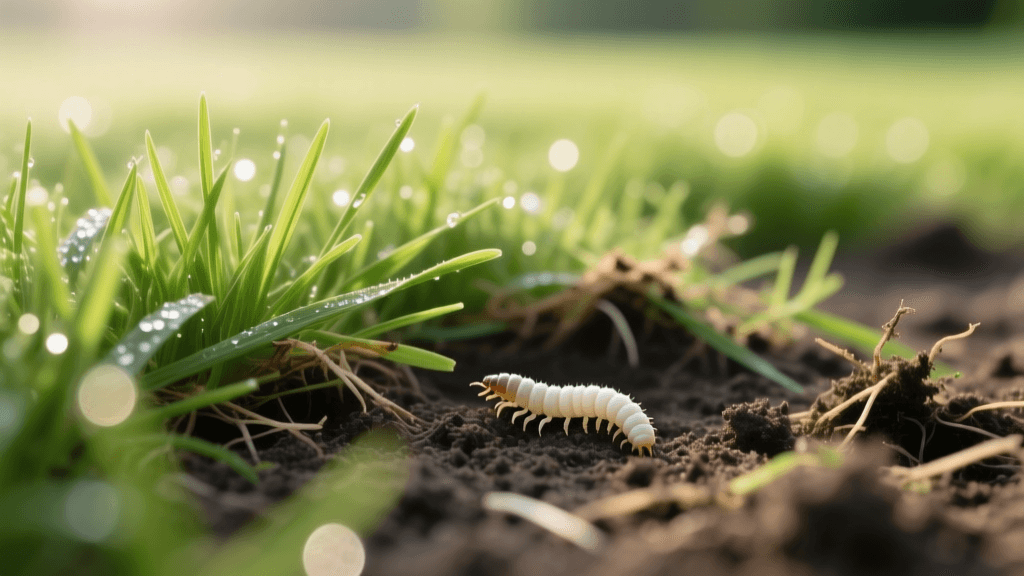
Beginner's Guide to Identifying and Treating Lawn Grubs
Introduction: The Hidden Threat Beneath Your Turf
As a beginner gardener or new homeowner, there is nothing quite as disheartening as watching your lush, green lawn suddenly develop large, irregular brown patches. While drought or fungal diseases are common culprits, a hidden enemy might be feasting right beneath the soil surface: lawn grubs. If you are new to lawn care, the world of pest control can feel overwhelming. However, managing grubs is entirely possible once you understand their life cycle, know how to properly diagnose an infestation, and choose the right treatment for your specific situation.
This beginner-friendly growing guide will walk you through everything you need to know about identifying, treating, and preventing lawn grubs, ensuring your turf remains thick, healthy, and resilient year after year.
What Exactly Are Lawn Grubs?
Lawn grubs are the C-shaped, white, worm-like larvae of various scarab beetles. The most common culprits in North American lawns include the Japanese beetle, the June bug (May/June beetle), and the European chafer. These larvae live in the soil and feed aggressively on the roots of turfgrass, severing the plant from its water and nutrient supply.
Understanding their life cycle is crucial for effective pest control. According to the University of California Statewide IPM Program, most common lawn grubs follow a one-year life cycle. Adult beetles emerge in early summer to mate and lay eggs in the soil. These eggs hatch in mid-to-late summer, and the young, ravenous grubs begin feeding near the surface. As winter approaches, they burrow deep into the soil to hibernate, returning to the surface in spring to feed again before pupating into adult beetles.
Signs Your Lawn Has a Grub Problem
Because grubs operate underground, you will rarely see them unless you go looking. Instead, you must look for the symptoms of their root-feeding habits. Keep an eye out for the following warning signs:
- Spongy Turf: Walking on an infested lawn feels like walking on a freshly laid carpet or a sponge. This happens because the root system has been eaten away, detaching the sod from the soil.
- Brown Patches: Irregularly shaped brown, dying patches of grass that do not recover with watering. These often appear in late summer or early fall.
- Animal Digging: Skunks, raccoons, armadillos, and crows love to eat grubs. If you notice chunks of your lawn torn up or rolled back like a carpet by foraging animals, you likely have a grub buffet underneath.
- Increased Beetle Activity: Swarms of Japanese beetles or June bugs around your garden lights or ornamental plants in early summer indicate that eggs are likely being laid in your turf.
The Diagnosis: Performing the 'Tug Test' and Soil Sampling
Before spending money on treatments, you must confirm that grubs are the actual problem. Drought stress and certain fungal diseases (like brown patch) can mimic grub damage. To confirm an infestation, perform the 'Tug Test' and a soil sample.
- The Tug Test: Grab a handful of brown grass at the edge of a damaged patch and pull gently. If the grass lifts away from the soil easily with almost no roots attached, grubs are likely the culprit.
- Soil Sampling: Using a flat spade, cut three sides of a 1-foot by 1-foot square of turf, about 2 to 3 inches deep. Peel back the sod like a hinge. Examine the exposed soil and the roots for C-shaped, white larvae. Count the number of grubs you find, then replace the sod and water it.
According to turf experts at Michigan State University Extension, finding fewer than 5 to 7 grubs per square foot is generally considered normal and does not require chemical intervention. However, if you count 10 or more grubs per square foot, treatment is necessary to prevent severe turf loss.
Treatment Options: Organic vs. Chemical
When it comes to integrated pest management (IPM), you have both organic and chemical routes available. The best choice depends on the time of year, the severity of the infestation, and your personal gardening philosophy. Below is a comparison chart of the most effective beginner-friendly grub control products.
| Treatment Type | Active Ingredient | Best Timing | Target Stage | Est. Cost (per 5,000 sq ft) |
|---|---|---|---|---|
| Beneficial Nematodes | Heterorhabditis bacteriophora | Late Summer / Early Fall | Young Larvae | $35 - $50 |
| Milky Spore | Paenibacillus popilliae | Spring or Fall | Japanese Beetle Larvae | $40 - $60 |
| Preventative Chemical | Imidacloprid / Halofenozide | Early Summer (June) | Eggs / Young Larvae | $15 - $25 |
| Curative Chemical | Trichlorfon (Dylox) | Late Summer / Fall | Active, Feeding Larvae | $20 - $30 |
Organic and Biological Controls
For eco-conscious beginners, biological controls are a fantastic way to manage pests without introducing harsh synthetic chemicals into your garden ecosystem.
- Beneficial Nematodes: These are microscopic, unsegmented worms that naturally occur in soil. When applied to your lawn, they seek out grubs, enter their bodies, and release bacteria that kill the host within 48 hours. You must purchase the specific strain Heterorhabditis bacteriophora (often sold as NemaSeek or Scanmask). Nematodes are living organisms; they must be kept refrigerated until use, applied in the evening or on a cloudy day to avoid UV damage, and watered in immediately. The soil must remain moist for about a week afterward to ensure they survive and hunt.
- Milky Spore Disease: This is a naturally occurring bacterium (Paenibacillus popilliae) that specifically targets Japanese beetle grubs. It is applied as a powder or granules. While it can take 2 to 3 years to fully establish in the soil, a single application can provide control for 10 to 15 years. Note that Milky Spore will not work on European chafer or June bug grubs.
Chemical Controls: Preventative vs. Curative
If the grub population has exceeded the damage threshold and you need fast or guaranteed results, synthetic chemicals are highly effective when timed correctly.
- Preventative Treatments (Early Summer): Products containing Imidacloprid (e.g., Scotts GrubEx) or Halofenozide (e.g., Bayer Advanced Season Long Grub Control) are applied in early June or July. These chemicals are slow-acting and are absorbed by the grass roots. When the eggs hatch in late summer and the tiny grubs take their first bite of the treated roots, they die. This is the most cost-effective and environmentally responsible chemical method, as it requires lower doses and targets pests when they are most vulnerable.
- Curative Treatments (Late Summer/Fall): If you missed the preventative window and are seeing active damage in September, you need a fast-acting curative product. Trichlorfon (commonly sold as Bayer Advanced 24 Hour Grub Killer or Dylox) penetrates the soil quickly and kills large, actively feeding grubs within 24 hours. However, it breaks down rapidly in the soil and is highly toxic to aquatic life, so it must be used carefully and never near waterways.
Step-by-Step Application Guide for Beginners
Regardless of whether you choose organic nematodes or a chemical granular product, proper application is the difference between success and failure. Follow these steps for optimal results:
- Mow the Lawn: Mow your turf slightly shorter than usual (about 2 inches) to allow the product to reach the soil surface easily.
- Measure Accurately: Calculate your lawn's square footage (Length x Width). Buy enough product to cover the entire area, and set your broadcast spreader to the exact dial setting listed on the product label.
- Apply Evenly: Walk at a steady pace. Apply half the product walking in horizontal lines, and the other half walking in vertical lines to ensure no spots are missed.
- Water It In (Crucial Step): Grub control products must be washed off the grass blades and into the top 2 inches of soil where the grubs live. Apply roughly 1/4 to 1/2 inch of water immediately after application. If using a sprinkler, this usually takes about 20 to 30 minutes.
- Let It Dry: Keep children and pets off the lawn until the grass has completely dried to ensure safety and allow the product to settle into the soil profile.
Long-Term Prevention Through Proper Lawn Care
The ultimate goal of integrated pest management is to create an environment where pests struggle to thrive while your grass flourishes. Adult beetles prefer to lay their eggs in full sun, moist, and closely cropped lawns. You can naturally deter them by adjusting your growing habits:
- Raise Your Mower Deck: Keep your grass tall (between 3 to 4 inches). Tall grass shades the soil, keeping it cooler and making it less attractive to egg-laying beetles. It also promotes deeper, more resilient root systems that can tolerate minor grub feeding without showing surface damage.
- Water Deeply and Infrequently: Grub eggs and young larvae require consistent moisture to survive. By watering your lawn deeply but infrequently (e.g., 1 inch of water once a week), you allow the top layer of soil to dry out between waterings, which naturally desiccates and kills many young grubs before they can cause harm.
- Overseed and Fertilize: A thick, dense lawn leaves little bare soil for beetles to penetrate. Overseed thin patches in the early fall, and follow a balanced, slow-release fertilization schedule to maintain vigorous turf growth.
Final Thoughts
Dealing with lawn grubs does not require a degree in entomology. By learning to spot the early signs of damage, performing a simple soil sample to confirm the threat, and selecting the right treatment for the season, any beginner can protect their turf. Remember that a few grubs are a normal part of a healthy soil ecosystem; your goal is management and balance, not total eradication. With proper cultural practices and targeted interventions, your lawn will remain a lush, green sanctuary for years to come.