Gardening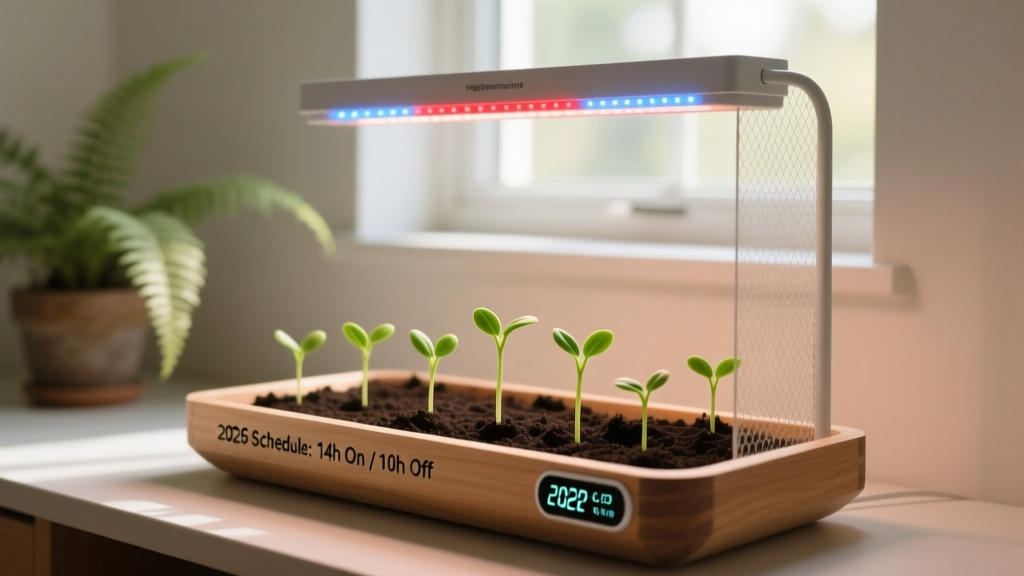
2026 LED Seed Starting Schedule to Protect Native Plants
The Wildlife Threat to Direct-Sown Native Seeds
When you decide to cultivate a native plant garden to support local pollinators, birds, and beneficial insects, you are essentially creating a sanctuary. However, the local wildlife population often views your carefully prepared outdoor seedbeds as a prime dining destination. Direct-sowing native seeds directly into the garden soil is a gamble that frequently ends in disappointment. In 2026, the most effective strategy for ensuring high germination rates while outsmarting local fauna is starting your seeds indoors under a precise LED grow light schedule.
From a wildlife management perspective, seed predation is a natural and vital ecological process. In the wild, plants produce thousands of seeds precisely because rodents, foraging birds, and insects will consume the vast majority of them. Mice and voles are particularly notorious for unearthing cold-stratified seeds like milkweed and Joe-Pye weed. Ground-foraging birds, such as sparrows and juncos, will eagerly scratch away mulch to find coneflower and black-eyed Susan seeds. Squirrels and chipmunks frequently dig up newly planted sunflower and wild lupine seeds. By moving the germination phase indoors, you completely bypass this vulnerable stage of the plant's life cycle, removing the seed from the local food chain until it is a robust, less palatable seedling.
The 2026 Indoor LED Seed Starting Strategy
Advancements in horticultural lighting have made indoor seed starting more accessible and energy-efficient than ever before. The latest 2026 quantum board LED fixtures utilize high-efficacy diodes that provide a full, sun-like spectrum without the excessive heat output of older HPS or fluorescent T5 systems. This is critical for native seedlings, which require high light intensity to prevent legginess but can easily be scorched by hot bulbs. Furthermore, starting seeds indoors allows you to control the exact photoperiod, ensuring your native plants develop strong root systems before they face the dual stresses of outdoor weather and herbivore pressure.
Understanding DLI and PPFD for Native Seedlings
To successfully replicate the sun indoors, you must understand two key metrics: Photosynthetic Photon Flux Density (PPFD) and Daily Light Integral (DLI). PPFD measures the intensity of light hitting the plant canopy at a given moment, while DLI measures the total amount of light the plant receives over a 24-hour period. Most native wildflower and shrub seedlings require a DLI of 12 to 16 mol/m²/d during their early vegetative stage. According to the University of Minnesota Extension, maintaining a PPFD of 200-300 µmol/m²/s for 14 to 16 hours a day will perfectly satisfy the DLI requirements for robust native seedling growth. In 2026, most smart LED grow lights feature built-in PAR meters and automated scheduling apps, allowing you to dial in these exact metrics without guesswork.
The 2026 Native Seed LED Schedule and Wildlife Value
Below is a comprehensive schedule for starting popular native seeds indoors. These species are highly recommended by the Xerces Society for Invertebrate Conservation for their immense value to local ecosystems, but they are also highly susceptible to seed predation if sown directly outdoors.
| Native Species | Primary Wildlife Value | Indoor Stratification Need | LED Light Hours (Daily) | Canopy Distance (Inches) |
|---|---|---|---|---|
| Swamp Milkweed (Asclepias incarnata) | Monarch butterfly host plant | 30 days cold/moist | 16 hours | 12-18 inches |
| Purple Coneflower (Echinacea purpurea) | Nectar for pollinators, seeds for finches | None to 14 days | 14-16 hours | 18-24 inches |
| Wild Lupine (Lupinus perennis) | Karner blue butterfly host | 10 days cold, scarify | 14 hours | 12-18 inches |
| New England Aster (Symphyotrichum novae-angliae) | Late-season nectar, larval host | 30 days cold/moist | 16 hours | 12-16 inches |
| Arrowwood Viburnum (Viburnum dentatum) | Berries for migrating birds, cover | 60+ days warm/cold | 14 hours (after sprout) | 18-24 inches |
Phase 1: Stratification and Germination
Many native seeds possess built-in dormancy mechanisms that require cold, moist stratification to mimic winter conditions. In an outdoor setting, this means leaving seeds in the soil where mice and voles can easily find them. By stratifying your seeds indoors in sealed containers or zip-lock bags filled with damp vermiculite inside your refrigerator, you hide the seeds from foraging rodents. Once the stratification period is complete, move the seed trays under your LED lights. Keep the lights on a 24-hour cycle for the first 48 hours to signal the seeds to break dormancy, then switch to the vegetative schedule.
Phase 2: Vegetative Growth Under LEDs
Once the cotyledons (seed leaves) have fully expanded, the seedlings enter their vegetative growth phase. This is where your 2026 LED schedule becomes critical. Set your timer for 16 hours of light and 8 hours of darkness. The dark period is essential for the plants to undergo cellular respiration and consolidate their growth. Ensure adequate airflow with a gentle oscillating fan; this not only prevents damping-off disease but also stimulates the stems to thicken, making the eventual seedlings less tender and slightly more resistant to minor insect herbivory. Monitor the soil moisture carefully, as the intense LED output and oscillating fans can dry out the surface of your seed starting mix rapidly. Bottom-watering is highly recommended to encourage deep root growth and keep the soil surface dry, which further discourages fungus gnats—another indoor pest that can weaken seedlings before they ever face outdoor wildlife.
Phase 3: Hardening Off and Wildlife Deterrence
Transitioning your indoor-grown native seedlings to the outdoor garden is the most perilous phase for wildlife conflict. The seedlings have grown in a protected, optimized environment and are highly palatable to deer, rabbits, and groundhogs. The National Wildlife Federation's Garden for Wildlife program emphasizes that establishing native plants requires patience and protection during the first year. Begin the hardening-off process by placing the seedlings in a shaded, protected outdoor area for two hours a day, gradually increasing their sun exposure over two weeks.
During this transition, you must employ physical wildlife deterrents. Use wire cloches or hardware cloth cages to protect the young transplants from browsing herbivores. Avoid using flimsy plastic netting, which can entangle local birds and beneficial snakes. Instead, opt for rigid, galvanized wire mesh that allows pollinators access while keeping larger mammals at bay. Once the plants are established in the ground, you can apply organic, capsaicin-based repellents to the foliage to deter rabbits and deer until the plants develop their mature, tougher leaf structures.
Successful wildlife gardening is not just about planting the right species; it is about managing the micro-environment to ensure those species survive their most vulnerable stages. Indoor propagation under modern LED arrays is one of the most reliable ways to guarantee a high survival rate for native plants destined for habitat restoration.
Conclusion: Cultivating a Resilient Habitat
By leveraging a precise 2026 LED seed starting schedule, you take control of the germination process, effectively removing your future pollinator garden from the local wildlife food chain during its most vulnerable stage. Starting native seeds indoors ensures that when you finally transplant them into your yard, they are robust, deeply rooted, and far better equipped to withstand the pressures of the outdoor ecosystem. Furthermore, by guaranteeing the survival of these native species, you are directly contributing to the local food web, providing essential host plants for caterpillars and nectar sources for adult butterflies. The initial investment in a quality LED setup pays dividends in the ecological health of your yard. You are not just growing plants; you are actively managing the intersection of horticulture and local wildlife, ensuring your garden becomes a thriving sanctuary for years to come.
