Pest Control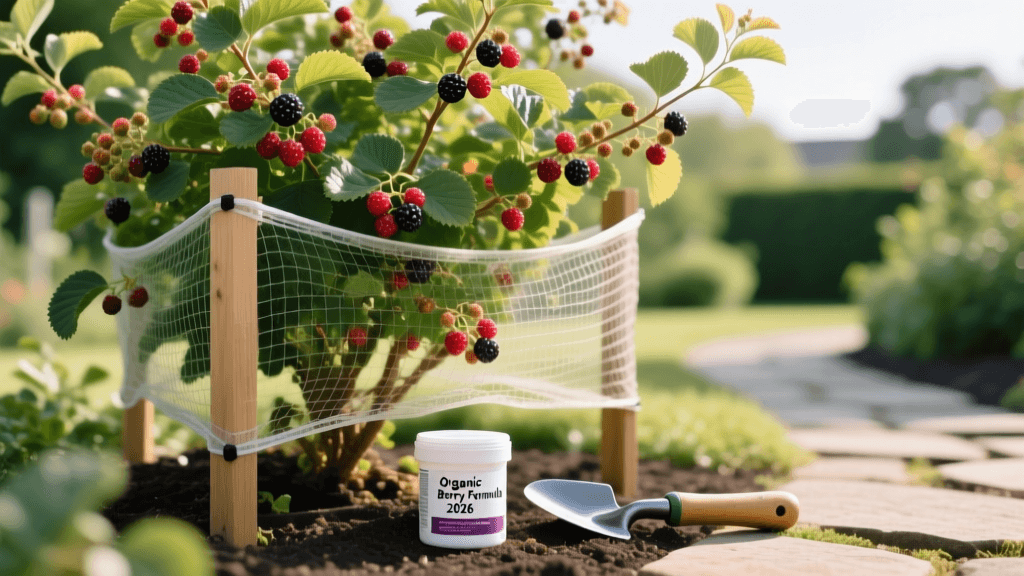
2026 Berry Bush Bird Netting & Fertilizer Schedule Guide
The Intersection of Plant Nutrition and Avian Pest Control
As we navigate the 2026 growing season, home gardeners and small-scale orchardists face an increasingly complex challenge: protecting high-value berry crops from avian pests while maintaining optimal plant health. Birds such as starlings, robins, and cedar waxwings can decimate a blueberry, raspberry, or blackberry harvest in a matter of days. While physical exclusion via bird netting remains the gold standard in Integrated Pest Management (IPM), the success of your netting installation is deeply intertwined with your fertilizer types and schedules. Many gardeners fail to realize that plant nutrition directly dictates bush architecture, fruit ripening timelines, and the structural integrity required to support physical pest deterrents.
Over-fertilizing, particularly with high-nitrogen synthetic blends, forces berry bushes into excessive vegetative growth. This wild, spindly growth not only delays fruit ripening—keeping sugar levels low and extending the window of vulnerability to foraging birds—but it also creates weak, brittle canes that snap under the weight of netting or wind. Conversely, a well-timed, balanced fertilization schedule promotes sturdy cane development, synchronized fruit ripening, and a manageable bush architecture that makes bird netting installation seamless and highly effective. In 2026, the most successful pest control strategies treat soil nutrition and physical exclusion as a single, unified system.
2026 Fertilizer Types for Optimal Bush Structure and Fruit Set
To build a berry bush capable of supporting physical pest control measures and producing a concentrated, high-sugar fruit set that deters prolonged bird foraging, you must select the correct fertilizer type. According to the University of Minnesota Extension, matching the fertilizer to the specific pH and structural needs of the plant is critical for long-term vigor.
Ammonium Sulfate for Acid-Loving Blueberries
For blueberries, maintaining a soil pH between 4.5 and 5.0 is non-negotiable. In 2026, ammonium sulfate (21-0-0) remains the premier fertilizer choice. It provides the necessary nitrogen for sturdy cane growth without the pH-raising effects of nitrate-based fertilizers. Sturdy, thick canes are essential because they serve as the internal 'frame' that holds bird netting away from the fruit clusters, preventing birds from pecking through the mesh.
Balanced Organic Blends for Brambles
For raspberries and blackberries, a balanced organic fertilizer, such as a 4-4-4 or 5-5-5 blend incorporating feather meal and bone meal, is ideal. Organic fertilizers release nutrients slowly, preventing the rapid, weak flushes of growth associated with synthetic urea. Slow, consistent growth results in thicker, more resilient primocanes and floricanes that can withstand the tension of netting installation and the pressure of heavy fruit loads.
The Danger of Late-Season Nitrogen
Applying nitrogen-heavy fertilizers late in the spring or early summer is a critical IPM mistake. Late nitrogen promotes late-season flowering and delays the accumulation of anthocyanins and sugars in the berries. Birds are highly attracted to the visual contrast of ripening fruit; a prolonged, uneven ripening period caused by poor fertilizer scheduling will keep avian pests circling your garden for weeks, increasing the likelihood that they will find a gap in your netting.
The Integrated 2026 Fertilization and Netting Schedule
Synchronizing your nutrient applications with your pest control installation is vital. The following 2026 schedule ensures your bushes are structurally sound and your netting is deployed at the exact moment birds begin targeting your crop.
| Timeframe (2026) | Fertilizer Action | Pest Control / Netting Action |
|---|---|---|
| Early Spring (Bud Swell) | Apply primary nitrogen dose (e.g., Ammonium Sulfate for blueberries, balanced organic for brambles). Prune dead wood to establish a clean, open canopy structure. | Inspect existing netting for UV damage and tears from winter. Order replacement 3/4-inch knitted polypropylene netting if necessary. |
| Late Spring (Bloom) | No fertilizer application. Allow the plant to focus energy on pollination and fruit set. Ensure soil moisture is consistent. | Construct or inspect PVC/wood netting frames. Frames prevent netting from resting directly on the bushes, which birds can easily peck through. |
| Early Summer (Fruit Coloration) | Apply secondary, light potassium-rich fertilizer if soil tests indicate deficiency to boost fruit sugar content and firmness. | INSTALL NETTING. Deploy netting the moment berries begin to turn from green to pink/red. Secure the base tightly to the ground. |
| Post-Harvest (Late Summer) | Remove netting. Apply post-harvest recovery fertilizer to promote root growth and store carbohydrates for the following year's sturdy cane development. | Clean, dry, and store netting in a UV-proof bin to prevent degradation. Inspect bushes for cane borers or secondary pests. |
Step-by-Step Bird Netting Installation for Berry Bushes
Physical exclusion is the only 100% effective method for stopping avian pests. As noted by Michigan State University Extension, properly installed netting provides a complete barrier without harming the local bird population, aligning perfectly with organic and sustainable IPM principles. However, installation must be meticulous.
Step 1: Build a Support Frame
Never drape netting directly over the foliage. Birds will land on the netting, pull the mesh taut, and peck the berries right through the holes. Furthermore, direct contact traps moisture against the leaves, promoting fungal diseases like Botrytis. Build a simple frame using 1/2-inch PVC pipes bent over rebar stakes, or construct a permanent wooden box frame. The frame should be slightly wider and taller than the bush's mature, fertilized growth habit to accommodate the sturdy canes you cultivated in the spring.
Step 2: Select the Right Mesh Size
In 2026, the industry standard for berry protection is a 3/4-inch (19mm) knitted polypropylene mesh. This size is small enough to exclude starlings, sparrows, and finches, yet large enough to allow beneficial pollinators access if installed before bloom (though it is best to install netting post-pollination). Avoid cheap, extruded plastic bird netting; it becomes brittle in the sun, tears easily against thorny bramble canes, and poses a severe entanglement hazard for wildlife.
Step 3: Drape and Secure the Perimeter
Drape the netting over the frame, ensuring it reaches the ground on all sides. The most common point of failure in IPM netting is the base. Birds like robins will hop along the ground and walk right under loosely draped netting. Use heavy-duty landscape staples, ground stakes, or a continuous perimeter of sandbags to seal the bottom edge completely against the soil. For added security against raccoons and rodents that may chew the base, weave a tension wire or heavy twine through the bottom hem of the netting and stake it tight.
Common Mistakes to Avoid in 2026
Even with the best fertilizer schedule and high-quality materials, poor execution can render your pest control efforts useless. Avoid these common pitfalls:
- Ignoring Cane Strength: If you skipped your early spring fertilization and your berry canes are thin and weak, the weight of the netting or a mild summer breeze will cause the canes to bend and press against the mesh, exposing the fruit to birds.
- Leaving Gaps at the Posts: Where the netting overlaps at the corners of your frame, use UV-resistant zip ties or specialized netting clips to join the seams. A gap of just two inches is an open invitation for a flock of starlings.
- Trapping Pollinators: If you are growing varieties that require cross-pollination, ensure you do not install the netting until after the primary bloom period has concluded, or you risk trapping bees inside or locking them out, resulting in a zero-yield harvest.
- Over-Fertilizing Late: As highlighted by North Carolina State University Extension, managing the crop's attractiveness is a key component of bird management. Late-season nitrogen spikes keep fruit tart and green longer, forcing birds to aggressively test your netting for weeks while waiting for the sugar levels to rise.
Conclusion: A Holistic Approach to Berry Protection
Protecting your berry harvest in 2026 requires looking beyond the immediate pest problem and addressing the underlying horticultural factors that contribute to it. By adhering to a strict, science-backed fertilizer schedule, you cultivate robust, structurally sound berry bushes that naturally support physical barriers and produce concentrated, high-quality fruit sets. When you pair this vigorous plant health with a meticulous, frame-supported bird netting installation, you create an impenetrable fortress. This integrated approach not only safeguards your yield from avian pests but also ensures the long-term vitality and productivity of your garden for years to come.