Pest Control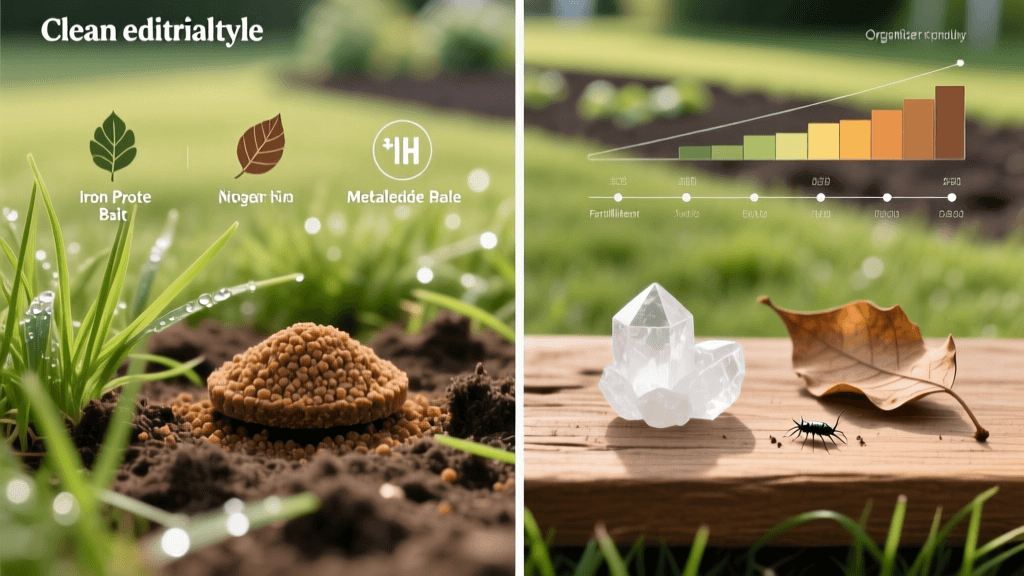
Iron Phosphate vs Metaldehyde Slug Bait 2026 Guide
The 2026 Slug and Snail Dilemma: Where Pests Meet Plant Nutrition
As we navigate the 2026 lawn care season, homeowners and turf managers are increasingly recognizing that pest control does not happen in a vacuum. Integrated Pest Management (IPM) requires us to look at the entire ecosystem of our yards, particularly the intersection between pest pressures and our fertilizer types and schedules. Slugs and snails remain some of the most destructive gastropods in home gardens and turfgrass, capable of decimating tender new growth overnight. When selecting a molluscicide, the debate almost always narrows down to two primary active ingredients: iron phosphate and metaldehyde. However, viewing these baits strictly as pesticides misses a crucial piece of the puzzle. Your choice of slug bait directly interacts with your soil nutrient profile and your broader fertilizer schedule.
The Fertilizer Connection: How Nutrient Schedules Attract Slugs
Before comparing the baits themselves, it is vital to understand why your fertilizer schedule dictates your slug pressure. Slugs and snails are attracted to moisture and tender, succulent plant tissue. When you apply fast-release synthetic nitrogen fertilizers, such as urea or ammonium sulfate, you force rapid, watery, and soft leaf growth. This is essentially an all-you-can-eat buffet for gastropods. If your 2026 spring fertilizer schedule relies heavily on quick-release nitrogen spikes, you are inadvertently rolling out the welcome mat for slug populations.
Conversely, transitioning to slow-release organic fertilizers or coated urea products provides a steady, measured nutrient supply. This promotes thicker, more robust cell walls in your turf and garden plants, making them naturally more resistant to rasping slug radulae. Therefore, the first step in slug control is optimizing your fertilizer type to avoid excessive lushness. The second step is choosing the right bait to manage the pests that do arrive, which brings us to the chemical versus organic bait debate.
Metaldehyde: The Traditional Chemical Approach
Metaldehyde has been the conventional standard for slug and snail control for decades. It works as a neurotoxin that stimulates excessive mucus production and causes severe muscle spasms in gastropods. Ultimately, the pest loses its ability to regulate water, leading to fatal dehydration, often seen as the slime trails and shriveled bodies left on garden paths.
However, as of 2026, metaldehyde faces severe regulatory scrutiny and outright bans in numerous global and local jurisdictions due to its high toxicity to non-target species. Dogs, cats, and local wildlife are frequently poisoned by metaldehyde baits, and the chemical can persist in the environment, posing risks to aquatic ecosystems if it washes into storm drains. From a soil nutrition perspective, metaldehyde offers absolutely zero fertilizer value. It is a purely destructive chemical agent that leaves behind inert carriers and synthetic dyes, contributing nothing to your soil health or fertilizer schedule.
Iron Phosphate: The Organic, Dual-Purpose Solution
Iron phosphate has emerged as the premier alternative for modern, eco-conscious lawn and garden care. When ingested by slugs and snails, iron phosphate interferes with their calcium metabolism and digestive systems. The pests immediately cease feeding, retreat into the soil or hidden crevices to die, and decompose out of sight, eliminating the unsightly carcasses associated with metaldehyde.
The most significant advantage of iron phosphate, especially from a fertilizer management perspective, is its secondary breakdown process. Any iron phosphate bait that is not consumed by slugs naturally degrades in the soil, releasing iron (Fe) and phosphorus (P). Both are essential plant nutrients. Iron is a critical micronutrient that promotes deep, dark green coloration in turfgrass and aids in chlorophyll production, while phosphorus is a primary macronutrient vital for root development and energy transfer within the plant. By utilizing iron phosphate bait, you are simultaneously executing a targeted pest control strike and applying a mild, slow-release micronutrient fertilizer. According to the National Pesticide Information Center, iron phosphate is practically non-toxic to birds, mammals, and beneficial insects, making it a cornerstone of modern organic IPM strategies.
Head-to-Head Comparison Chart
| Feature | Iron Phosphate | Metaldehyde |
|---|---|---|
| Active Ingredient | Ferric Phosphate | Metaldehyde (Acetaldehyde tetramer) |
| Mode of Action | Stops feeding, disrupts digestion, dies underground | Neurotoxin, causes excessive mucus and dehydration |
| Pet and Wildlife Safety | Highly safe; approved for organic use around pets | Highly toxic to dogs, cats, and wildlife |
| Soil Impact (Fertilizer Value) | Breaks down into Iron and Phosphorus nutrients | No nutritional value; leaves synthetic residues |
| Rainfastness | Highly effective; remains active in moist soil | Degrades quickly in heavy rain; requires reapplication |
| 2026 Regulatory Status | Widely approved globally; OMRI listed | Banned or heavily restricted in many regions |
Integrating Bait Applications with Your 2026 Fertilizer Schedule
To maximize both turf health and pest control, your molluscicide applications must be synchronized with your fertilizer calendar. The experts at the University of California Statewide Integrated Pest Management Program emphasize that timing bait applications just before peak slug breeding and feeding cycles is critical for success.
Early Spring (March to April)
In early spring, soil temperatures begin to rise, waking overwintering slugs. This is typically when homeowners apply their first round of pre-emergent weed control and a light, slow-release spring fertilizer. Apply iron phosphate bait immediately after your first spring irrigation or light rainfall. Because iron phosphate requires moisture to activate and for the slugs to forage, applying it during this damp window ensures you eliminate the founding breeding population before your spring nitrogen push creates the tender growth they crave.
Late Spring to Early Summer (May to June)
This period usually coincides with your heaviest nitrogen fertilizer application for warm-season grasses or the secondary feeding for cool-season turf. The resulting flush of green, succulent growth will attract any surviving neighborhood slugs. Monitor your lawn edges, garden beds, and shaded areas. If you notice rasping damage on hostas, low-lying ornamentals, or turf margins, reapply iron phosphate bait. Because the unconsumed bait breaks down into iron and phosphorus, you are safely supplementing your heavy nitrogen application with the secondary macronutrients required for balanced plant health.
Fall (September to October)
Fall is the most critical time for cool-season grass fertilization, often requiring a robust application of winterizer fertilizer high in potassium and nitrogen to promote deep root storage. Unfortunately, autumn rains and dropping temperatures also trigger a massive secondary peak in slug activity and egg-laying. Slugs will aggressively feed on the new fall growth and seek organic matter to lay their eggs before winter. Broadcasting iron phosphate bait across your lawn and garden beds in early fall not only protects your winterizer investment but also drastically reduces the number of eggs that will overwinter in your soil, setting you up for a much cleaner lawn the following spring.
Environmental and Pet Safety Considerations
The shift away from metaldehyde is not just a regulatory trend; it is a fundamental improvement in residential safety. Pets are highly attracted to the grain-based carriers and molasses flavoring used in many traditional slug baits. Metaldehyde poisoning in dogs is a frequent and often fatal veterinary emergency. Iron phosphate baits, while still formulated with attractive bait matrices, utilize an active ingredient that is safely processed by mammals. Furthermore, as noted by Penn State Extension, maintaining a healthy, biodiverse soil ecosystem is key to long-term pest suppression. Metaldehyde can harm beneficial soil organisms and ground beetles, which are natural predators of slugs. Iron phosphate preserves these beneficial predator populations, allowing your lawn's natural biological controls to function alongside your fertilizer program.
Conclusion
As lawn care science advances in 2026, the separation between pest control and soil nutrition continues to blur. Treating your yard with fast-release nitrogen fertilizers without a targeted pest management plan is a recipe for gastropod destruction. By adjusting your fertilizer types to favor slow-release, balanced nutrition, you naturally toughen your plants against pests. When intervention is necessary, iron phosphate stands head and shoulders above metaldehyde. It offers a highly effective, pet-safe, and environmentally responsible method of eradicating slugs and snails, all while returning valuable iron and phosphorus to your soil. Aligning your iron phosphate bait applications with your seasonal fertilizer schedule ensures a lush, deeply rooted, and pest-free landscape year-round.