Pest Control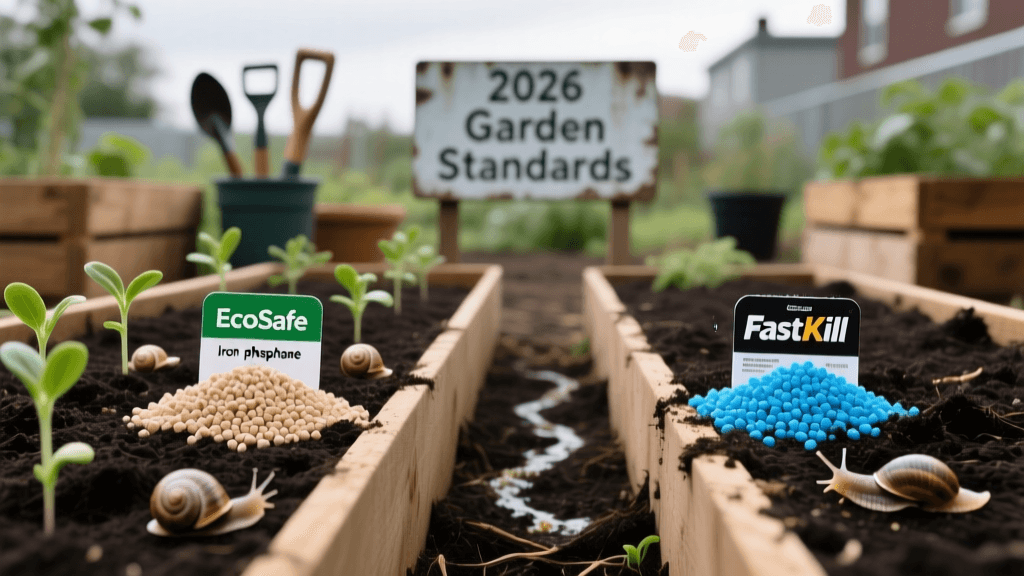
Iron Phosphate vs Metaldehyde Slug Bait for Mulch 2026
The Mulch Dilemma: Why Slugs and Snails Love Your Garden Beds
As we navigate the 2026 gardening season, the importance of mulching for soil health, moisture retention, and weed suppression remains undisputed. However, applying a thick layer of organic mulch inadvertently creates the perfect microclimate for gastropods. Slugs and snails thrive in the cool, damp, and dark environments provided by decomposing organic matter. When you mulch your garden beds, you are essentially building a luxury hotel for these voracious pests. To protect your hostas, seedlings, and leafy greens, gardeners must turn to molluscicides. But with shifting environmental regulations and a growing emphasis on organic gardening, choosing the right bait is more complex than ever. The two most prominent chemical controls in the historical and current market are metaldehyde and iron phosphate. Understanding how these active ingredients interact with your specific mulching materials is critical for effective integrated pest management (IPM).
Metaldehyde: The Legacy Molluscicide
For decades, metaldehyde was the undisputed king of slug and snail control. Often recognized by its bright blue or green pelleted form, metaldehyde works as a potent neurotoxin. Upon ingestion, it causes excessive mucus production, paralysis, and eventual dehydration in the pest. In the past, gardeners would scatter these pellets over wood chips or straw, seeing rapid knockdown results within 24 to 48 hours.
However, the environmental and toxicological profile of metaldehyde has led to its downfall. As of 2026, metaldehyde is strictly banned in the United Kingdom and heavily restricted or entirely phased out in numerous US states and Canadian provinces. The primary issue is its severe toxicity to non-target organisms. Dogs, cats, and local wildlife are highly attracted to the grain-based bait carriers. Furthermore, when applied over porous mulches like straw or leaf litter, rain can easily wash the toxic residue into the surrounding soil and groundwater. According to the Environmental Protection Agency (EPA), the risks associated with metaldehyde exposure to pets and aquatic ecosystems far outweigh its benefits, prompting the massive industry shift toward safer alternatives.
Iron Phosphate: The 2026 Organic Standard
Iron phosphate has fully emerged as the gold standard for residential and commercial slug control in 2026. Sold under popular brand names like Sluggo, Escar-Go, and Bonide Slug Magic, iron phosphate is an OMRI-listed (Organic Materials Review Institute) compound that is safe for use around pets, children, and wildlife.
Unlike metaldehyde, iron phosphate does not cause immediate paralysis. Instead, it disrupts the slug's calcium metabolism and digestive system. Within hours of ingestion, the slug stops feeding and retreats into the soil or deep into the mulch layer to die, meaning you rarely see the unsightly corpses on your garden paths. Any unconsumed iron phosphate pellets naturally break down in the damp mulch environment, releasing iron and phosphate into the soil, which act as beneficial micronutrients for your plants.
Head-to-Head Comparison: Iron Phosphate vs. Metaldehyde
The following table breaks down the critical differences between these two baits, specifically focusing on their use in mulched landscapes in 2026.
| Feature | Metaldehyde (Legacy) | Iron Phosphate (2026 Standard) |
|---|---|---|
| Active Ingredient | Metaldehyde (Neurotoxin) | Iron Phosphate (Stomach poison) |
| Pet & Wildlife Safety | Highly Toxic / Fatal if ingested | Safe / Non-toxic to mammals and birds |
| Speed of Kill | Fast (1-2 days) | Slower (3-6 days) |
| Mulch Interaction | Leaches toxins into organic matter | Breaks down into beneficial fertilizer |
| Environmental Impact | High risk to groundwater and birds | Zero negative environmental impact |
| 2026 Legal Status | Banned/Restricted in most regions | Widely approved for organic agriculture |
| Avg. Cost (2026) | N/A (Largely unavailable) | $18 - $24 per pound |
How Different Mulch Materials Affect Bait Efficacy
Not all mulches are created equal when it comes to pest control. The physical structure and decomposition rate of your chosen mulch material will dictate how you should apply iron phosphate baits.
- Straw and Hay: These mulches are incredibly loose and retain high moisture levels, making them prime slug habitats. However, the high moisture also causes iron phosphate pellets to degrade and mold faster. If using straw, you must apply bait more frequently (every 2-3 weeks) and ensure you are scattering the pellets on the soil surface beneath the straw, rather than on top of it.
- Arborist Wood Chips: The large, chunky nature of wood chips creates deep, dark crevices. Slugs will hide under the chips during the day. Iron phosphate pellets can easily fall through the gaps in the wood chips and reach the soil surface where slugs forage at night. This makes wood chips one of the most compatible mulches for iron phosphate application.
- Compost and Leaf Mold: While excellent for soil fertility, fine compost can actually bury small iron phosphate pellets, rendering them inaccessible to surface-feeding slugs. When using fine mulches, apply the bait in small, concentrated clusters near the base of vulnerable plants rather than broadcasting it widely.
- Cocoa Bean Hulls: Though less common in 2026 due to their toxicity to dogs (similar to chocolate poisoning), cocoa hulls form a dense mat that slugs struggle to penetrate. If you use this material, baits must be placed on top of the mat or along the perimeter edges of the bed.
Best Practices for Applying Slug Bait in Mulched Beds
To maximize the efficacy of iron phosphate baits in your mulched garden beds this season, follow these actionable application guidelines endorsed by modern IPM strategies:
1. Timing is Everything
Slugs and snails are primarily nocturnal. Apply your iron phosphate bait in the late evening, ideally after a light rainfall or after you have finished watering your mulched beds. The moisture draws the gastropods out from their hiding spots deep within the mulch, increasing the likelihood that they will encounter and consume the bait before retreating.
2. The 'Scatter, Don't Pile' Rule
A common mistake gardeners make is creating small mounds of bait. Slugs will eat the outer layer of the pile, become satiated, and leave the rest to mold into the mulch. Instead, scatter the pellets evenly at a rate of roughly 1 teaspoon per square yard. Ensure the pellets are resting on the soil surface or the very top layer of the mulch where they are easily discoverable.
3. Utilize Mulch-Based Bait Stations
Because heavy spring rains can dissolve iron phosphate pellets prematurely, you can create micro-shelters to protect the bait. Place a small handful of pellets underneath a flat piece of tree bark, a terracotta pot shard, or a hollowed-out citrus rind nestled within your mulch. This protects the bait from direct rainfall while providing a dark, damp refuge that naturally attracts slugs away from your prized plants. The Royal Horticultural Society (RHS) highly recommends utilizing physical traps and shelters in conjunction with organic baits to manage severe infestations without harming local ecosystems.
Integrating Baits with Broader IPM Strategies
While iron phosphate is a highly effective tool, relying solely on chemical controls—even organic ones—is not a sustainable long-term strategy. In 2026, the most successful gardeners integrate bait applications with biological and cultural controls tailored to mulched environments.
Beneficial Nematodes: Before applying a thick layer of organic mulch in the spring, treat your bare soil with Phasmarhabditis hermaphrodita, a microscopic parasitic nematode that specifically targets slugs. These nematodes enter the slug's body and release bacteria that kill the pest within a week. Once the nematodes are watered into the soil, you can safely apply your organic mulch and use iron phosphate baits on the surface as a secondary line of defense against migrating adult snails.
Copper Barriers: For raised beds heavily mulched with straw or compost, line the top perimeter of the wood or stone with copper tape. When a slug's slime touches the copper, it creates a mild electrical charge that repels them. This forces the slugs to remain on the ground level, where your iron phosphate baits and natural predators (like ground beetles and birds) can manage the population.
Conclusion
The debate between iron phosphate and metaldehyde is effectively over. As of 2026, the environmental hazards, legal restrictions, and severe risks to pets associated with metaldehyde make it an obsolete and dangerous choice for modern gardeners. Iron phosphate offers a highly effective, pet-safe, and soil-enriching alternative that perfectly complements organic mulching methods. By understanding how your specific mulch material interacts with moisture and bait degradation, and by applying the product strategically in the evening, you can protect your vulnerable plants while maintaining a thriving, ecologically balanced garden ecosystem.